A pest-free home is more than just a comfort, but also a cornerstone of safety and wellness. While a stray ant or spider might seem harmless at first, these sightings can be early indicators of deeper issues hiding within walls, crawl spaces, or attics. Regular pest inspection is a proactive measure that helps homeowners stay ahead of unwanted invaders like rodents, wasps, hornets, and other insects that often go unnoticed until they become a full-blown problem. With seasonal shifts and environmental changes in areas like Reno, ongoing vigilance plays a crucial role in protecting your space from infestations that threaten not just property but health as well. This article explores the practical reasons to prioritize pest inspections and how they contribute to a safer, more livable home year-round.
Early Detection Prevents Escalation
Pest problems rarely start large. What begins as a few ants on the counter or a couple of rodent droppings in the garage can evolve quickly into a serious infestation. Regular pest inspection allows professionals to catch these warning signs before they become overwhelming.
- Spiders and ants often establish colonies in hidden or hard-to-access spaces. Inspections reveal activity before it spreads.
- Rodents may gnaw through insulation, wires, and food packaging. Early discovery avoids damage and contamination.
- Wasps and hornets build nests discreetly under eaves or in attics. Inspections help find and safely remove them before aggressive behavior starts.
- General insects, especially those attracted to damp or cluttered environments, can quietly multiply behind walls and baseboards.
Prevention is always more manageable than remediation, especially when infestations threaten structural integrity or introduce health risks.
Reducing Health Hazards at Home
Unwanted pests do more than cause property damage. Many introduce allergens, bacteria, and even venomous threats to your household. Regular pest inspection creates a barrier between your family and the health concerns associated with infestations.
- Rodents carry diseases like Salmonella and hantavirus, both of which can spread through droppings or contact with contaminated surfaces.
- Wasps and hornets pose serious risks to those with allergies, especially during peak nesting season.
- Ants and spiders, while often overlooked, can still trigger allergic reactions or painful bites when disturbed.
- Insects such as cockroaches (if present) are linked to respiratory conditions and asthma flare-ups.
A consistent inspection schedule ensures early intervention so health hazards are neutralized before they enter your living spaces.
Common Entry Points and Hidden Risks
One of the most important reasons for regular pest inspection is the identification of vulnerable areas around your home. Pest activity usually starts in places the average homeowner might never think to check. Inspections focus on:
- Cracks in foundations or around windows and doors
- Ventilation systems and crawl spaces that offer warmth and moisture
- Garages, basements, and attics where clutter allows pests to nest undisturbed
- Yard and landscaping features that may lead to exterior access points
These weak spots, when left untreated, provide the perfect setup for ants, spiders, rodents, and stinging insects to enter and spread. Inspections allow for early reinforcement or repair of these entry points before they become pathways for pests.
Why One-Time Treatments Fall Short
Many homeowners make the mistake of calling pest control only when there’s visible trouble. However, pest behavior is often seasonal and cyclical. A one-time treatment may remove the immediate problem, but it won’t address the source or prevent future recurrence. Regular pest inspection provides:
- Ongoing monitoring, allowing professionals to adapt strategies as seasonal conditions shift.
- Targeted treatment plans that evolve based on inspection findings, pest type, and environmental factors.
- Consistent protection that prevents pests from reestablishing themselves after initial removal.
The benefits are especially clear when managing pests that tend to reappear or breed rapidly, such as ants and rodents. For long-term peace of mind, inspections serve as your home’s first line of defense.
You can learn more about long-term benefits by reviewing insights from smart pest control for businesses, which apply just as effectively to residential settings.
Outdoor Habits That Can Invite Trouble
Your yard and surroundings play a bigger role in pest prevention than you might expect. Landscaping choices, overgrown vegetation, and even your choice of ground cover can create ideal habitats for unwanted pests. Homeowners are often surprised to learn how:
- Dense ground cover and mulch can provide nesting areas for ants and spiders.
- Tall grass and untrimmed bushes may conceal hornet or wasp nests.
- Clutter near the foundation, like wood piles or leaf debris, gives rodents cover and nesting material.
These outdoor factors can greatly increase pest activity around your home. A proper inspection will assess not only the interior but also these outdoor areas. You can find more helpful prevention tips by reviewing this guide to yard pests, which outlines how landscaping impacts infestation risk.
A Quick Check Can Make All the Difference
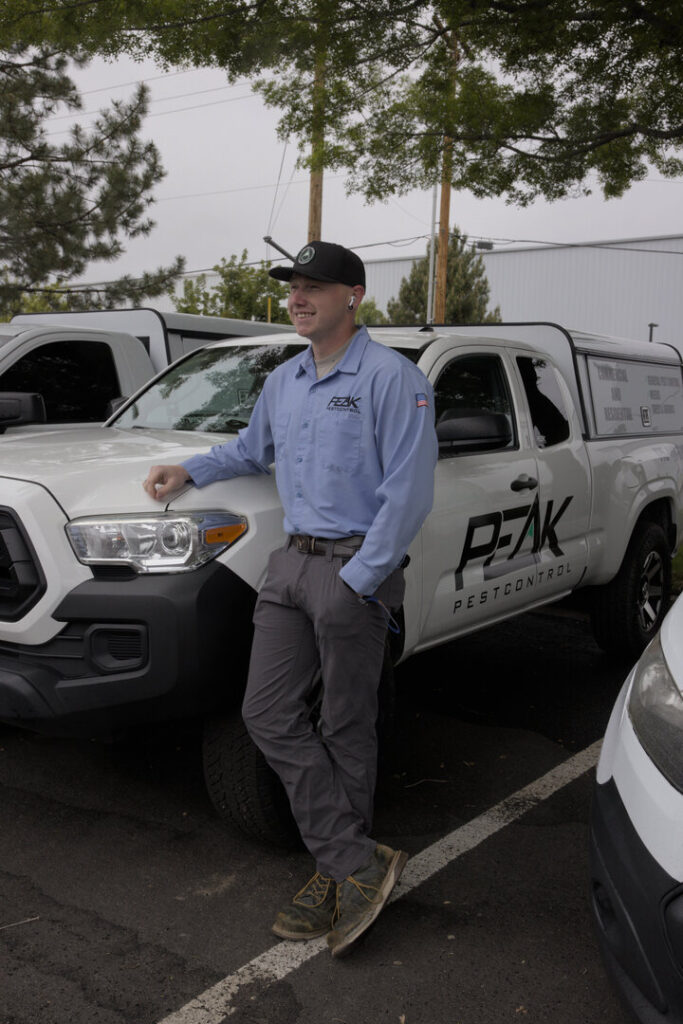
Whether you’re concerned about seasonal pest shifts, hidden rodent pathways, or the sudden appearance of stinging insects, a professional inspection is a simple step toward long-term security. Reach out to Peak Pest Control to schedule an inspection tailored to your home and environment. Regular checks are more than a precaution, they’re a form of smart home maintenance that keeps you and your family protected where it matters most.