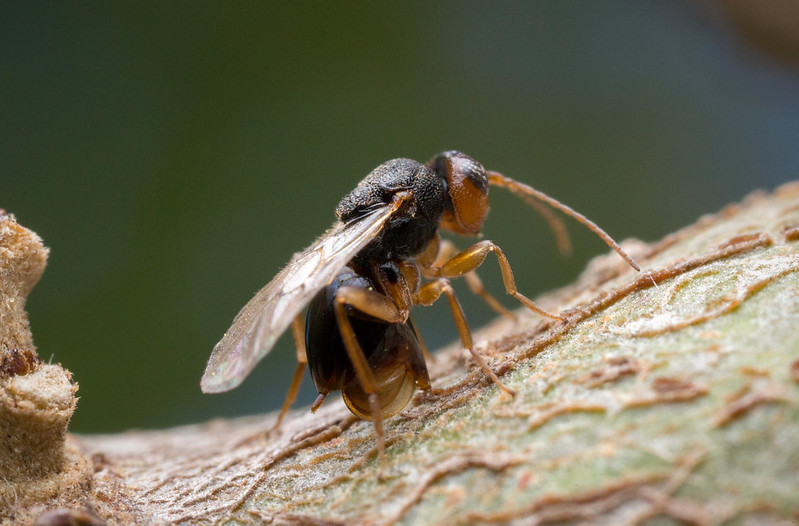
Wasp nests can appear faster than most homeowners expect, sometimes growing from a small paper-like start to a large, buzzing colony in just weeks. These structures are more than a minor inconvenience; they can disrupt outdoor activities, threaten the safety of residents, and make even simple yard work dangerous. Wasps are known for defending their territory aggressively, and their stings can be painful or even medically serious for individuals who are allergic.
Because of these risks, a quick and calculated response is essential. From recognizing early warning signs to following safe containment measures, knowing the right course of action can help protect both people and pets from harm. Acting at the right time also limits the chance of wasps building new colonies nearby and causing repeat infestations.

Identifying a Wasp Nest
The first step in addressing wasp nests is confirming what you are dealing with. Some important identification tips include:
- Appearance: Most wasp nests are made from chewed wood fibers combined with saliva, giving them a distinctive papery look. They can be open and umbrella-shaped or enclosed in a spherical casing.
- Common locations: Under eaves, inside sheds, beneath decks, in tree branches, or hidden in wall voids. Certain species even nest underground, making them harder to detect.
- Activity level: Heavy wasp traffic around a specific spot, especially during daylight hours, is a strong indicator that a nest is present.
Being able to distinguish between wasps, hornets, and bees is important, since removal techniques differ. For a closer look at their physical traits and nesting behaviors, review this resource on spotting and dealing with stinging insects, which explains key differences that help guide safe handling.
Risks of Leaving Wasp Nests Untreated
Some homeowners hope a nest will disappear on its own, but in most cases, it will only grow more active over time. Allowing a nest to remain can lead to several problems:
- Aggressive defense: Wasps will attack when they sense movement near their nest, even if the disturbance is unintentional.
- Repeated stings: Unlike bees, wasps can sting multiple times, increasing pain and risk of swelling or allergic reaction.
- Restricted access: A nest near entrances, patios, or garages can make routine tasks hazardous.
- Spreading populations: Mature nests produce new queens that establish additional colonies, multiplying the problem.
Leaving nests alone may seem like the safer choice in the short term, but it often results in a bigger and more complex infestation later.
Immediate Safety Measures to Take
If you discover a wasp nest, your priority should be minimizing disturbance and reducing opportunities for stings until professional help arrives. Follow these safety steps:
- Maintain distance: Do not approach the nest or try to block wasp flight paths.
- Restrict access: Keep pets, children, and visitors away from the area.
- Avoid vibrations: Power tools, lawn mowers, and even loud noises can agitate wasps.
- Observe cautiously: Monitor from a safe distance to determine the nest’s size, location, and activity level without interfering.
Nevada’s hot summers can intensify pest issues, including wasp aggression. Familiarity with seasonal pest patterns, such as those described in this guide on reducing pest problems during heat waves, can help property owners anticipate risks before they escalate.
Professional Removal and Prevention Strategies
Professional pest control services have the training, tools, and protective gear needed to handle wasp nests safely and effectively. A typical removal process includes:
- Inspection: Determining the species and location of the nest to identify the safest removal method.
- Targeted application: Using specialized products to eliminate the colony without scattering wasps into surrounding areas.
- Nest removal or treatment: Disabling the structure so it cannot be reused by other wasps.
- Follow-up prevention advice: Offering guidance on sealing entry points, minimizing food sources, and adjusting landscaping to reduce nesting opportunities.
Prevention plays a major role in long-term control. Keeping outdoor garbage sealed, trimming vegetation regularly, and inspecting hidden spaces such as attic vents or shed rafters are all effective deterrents.
Long-Term Property Protection Against Wasps
Eliminating one nest is only part of the solution. Without preventive measures, wasps may return the following season or even later in the same year. Steps to reduce the likelihood of reinfestation include:
- Conducting routine inspections in early spring to catch new nests before they expand.
- Sealing cracks, gaps, and other structural openings that may invite nesting.
- Removing or relocating attractants like exposed pet food, compost piles, or sugary drink containers.
- Scheduling regular pest control visits to detect and address wasp activity early.
Integrating these strategies into property upkeep can help ensure that outdoor spaces remain safe and usable throughout the year.
Why Timely Action Matters
Wasps are not just a warm-weather inconvenience as they are a pest capable of causing painful injuries and triggering serious allergic reactions. Once a nest is established, the colony will continue to grow, increasing the number of wasps and their protective aggression. The sooner a nest is identified and professionally addressed, the lower the risk to anyone using the property.
Prompt action also limits the spread of the population, reducing the likelihood of satellite nests forming in nearby structures or trees. In addition, timely removal helps protect beneficial pollinators by ensuring that control measures target the right species without harming non-threatening bees.
Take Action Before the Problem Escalates
Do not wait for a wasp colony to grow into a bigger threat. For safe, effective removal and prevention services, contact Peak Pest Control and keep your property protected from stinging pests.