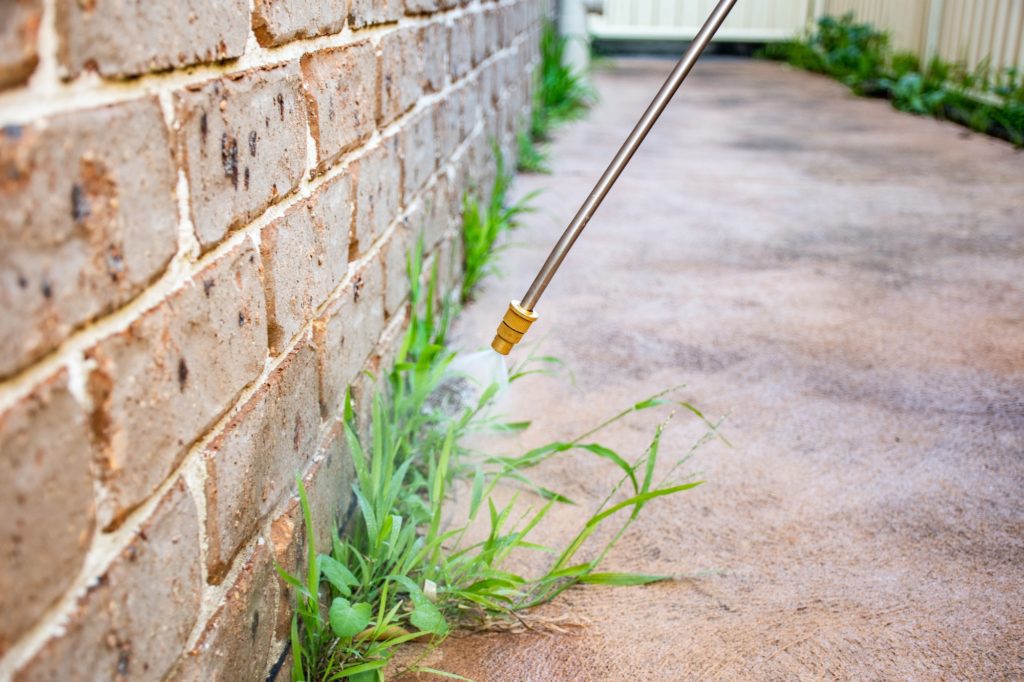
Monsoon season brings much-needed rainfall, but it also creates the perfect conditions for weeds to thrive. With steady moisture and warmer temperatures, invasive plants can spread rapidly, competing with desirable landscaping for nutrients and space. Effective weed management during this period is essential, not only for preserving the health of gardens and lawns but also for minimizing the pest activity that dense growth attracts. By combining preventive strategies with long-term maintenance, homeowners can safeguard their outdoor spaces against seasonal challenges.
Beyond crowding out plants, weeds play a hidden role in shaping the overall ecosystem of a yard. Their unchecked growth changes soil conditions, traps excess moisture, and creates dense layers of vegetation that insects and other pests use as cover. When this cycle continues unchecked, it can quickly shift a property from a well-maintained landscape into a breeding ground for pests such as ants, spiders, and stinging insects. This is why taking a proactive stance on weed management during monsoon months is critical for both property health and personal comfort.
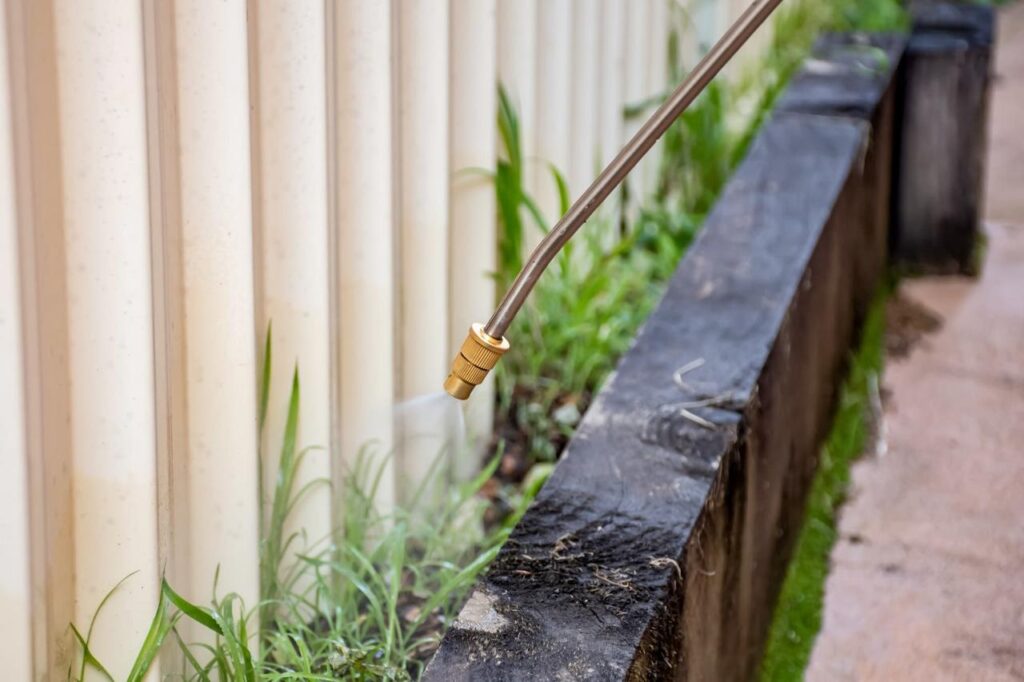
Why Weeds Flourish in Monsoon Conditions
Weeds grow aggressively when rainfall is abundant. Unlike cultivated plants that require specific care, many weeds are adapted to survive in varied soil conditions and can sprout quickly once moisture levels rise. Their rapid growth often overshadows turfgrass, flowers, or shrubs, leading to a messy and unbalanced yard.
The problem extends beyond aesthetics. Weeds create shelter for pests, offering shade and protection that persist even after the rains stop. Insects, ants, spiders, and stinging pests such as wasps and hornets often thrive in overgrown areas. Once established, these pests may move closer to homes, making weed control as much about safety as it is about lawn care.
Common Problems Caused by Weeds in Wet Seasons
Weeds are more than just unwanted plants. When left unchecked during monsoon months, they create cascading issues for both landscapes and households.
- Pest harborage: Tall weeds provide cover for ants, spiders, and other insects, making infestations more likely.
- Allergen triggers: Certain weeds release pollen that worsens allergies during humid months.
- Soil nutrient loss: Weeds absorb vital nutrients and water that ornamental plants need to survive.
- Structural risks: Overgrown weeds close to foundations create dampness that attracts insects indoors.
- Reduced curb appeal: A yard overtaken by weeds diminishes the overall appearance of a property.
These challenges highlight why timely weed management is important, especially during wet periods when growth is fastest.
Practical Strategies for Weed Management
To keep weeds under control during the monsoon, consistent upkeep is necessary. Homeowners should focus on reducing the factors that encourage weed growth while protecting desirable plants.
- Maintain healthy turf: Thick, well-maintained grass crowds out weeds and limits open soil space.
- Remove weeds early: Young weeds are easier to control before they set seed and spread further.
- Improve drainage: Excess water promotes weed growth, so redirecting rainwater helps reduce saturation.
- Mulch garden beds: A protective mulch layer suppresses weeds while retaining soil moisture for plants.
- Inspect frequently: Regular checks during the rainy season prevent small problems from becoming overwhelming.
While these practices are valuable, achieving lasting results often requires integrating pest considerations, since weed-heavy areas naturally attract unwanted activity.
Weed Growth and Pest Activity
The connection between weeds and pests becomes especially apparent during the monsoon. Dense vegetation provides perfect shelter for ants, while overgrowth near structures allows spiders to establish webs close to entryways. Wasps and hornets often use thick weeds or untrimmed bushes as protective areas for nesting. Even small insects take advantage of the cover weeds provide, using them to reproduce and spread into surrounding areas.
These pest pressures are not only a nuisance but also a potential hazard. For example, stings from wasps or hornets are particularly concerning in areas where children or pets play. Keeping weeds managed helps cut down on these risks, but ongoing vigilance is essential. Seasonal pest risks are continuous, and protecting your home from insect activity during extreme weather is crucial. By viewing weed management as part of a larger pest-prevention strategy, homeowners create outdoor spaces that are healthier and less prone to infestations.
Why Professional Support Improves Results
Although regular mowing, mulching, and drainage improvements reduce weed growth, professional support provides more thorough results. Experts can identify invasive plant species, apply targeted treatments, and monitor for pest pressures tied to weed density. This approach ensures weeds are managed without damaging the surrounding landscape.
Professional oversight also addresses the pest connection directly. By controlling the environments where ants, spiders, wasps, and other insects shelter, experts deliver a more comprehensive form of protection. The combination of weed management with pest prevention keeps outdoor areas not only visually appealing but also safer for daily use.
Take Control of Weeds This Monsoon
Weeds thrive during rainy months, but they do not have to take over your property. By focusing on effective weed management and pairing it with pest prevention, homeowners can protect their landscapes and reduce seasonal risks. For dependable results, contact Peak Pest Control and keep your yard healthy and pest-free this monsoon season.