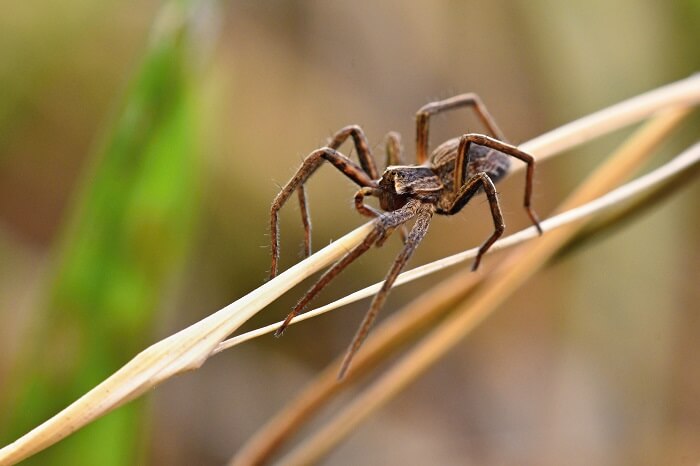
Spiders are a natural part of ecosystems, but their presence in and around homes can be unsettling. Many homeowners do not realize how closely spider activity is connected to the surrounding landscape, especially the presence of weeds. Overgrown vegetation provides both shelter and abundant food sources for the insects that spiders hunt. As a result, areas with unmanaged weeds often see larger spider populations, which may eventually spill indoors. Understanding this connection is important for effective spider control and creating healthier outdoor spaces.
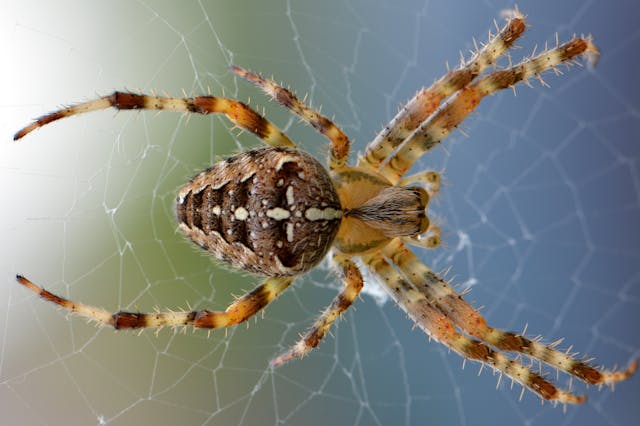
Why Weeds Attract More Spiders
Weeds may seem like nothing more than unwanted plants, but they create an ideal environment for insect pests. Dense foliage, shaded soil, and accumulated organic matter draw in insects that spiders rely on for food. This chain reaction causes spider populations to increase wherever weeds are abundant.
Weeds attract spiders in several ways:
- Shelter: Tall weeds and dense patches provide cover for both spiders and their prey.
- Moisture retention: Shaded soil beneath weeds stays damp, attracting insects like ants, flies, and beetles.
- Food supply: More insects feeding on weeds means more prey for spiders.
- Web-building opportunities: Tall stems and cluttered vegetation serve as structures for spider webs.
- Entry pathways: Weeds near homes provide spiders with direct routes indoors.
When weeds are not managed, the cycle continues: more insects gather, more webs appear, and the spider population expands. Addressing the problem at the root requires managing vegetation around the property.
The Role of Landscaping in Spider Control
Landscaping choices play a significant role in controlling pests. Well-maintained yards are less likely to host excessive insect activity, which means fewer spiders overall. Regular trimming, mowing, and removal of unwanted plants reduce hiding places and food sources for prey insects.
Homeowners who follow simple steps to keep backyards pest-free often notice immediate improvements. By limiting conditions that attract pests, these strategies indirectly reduce spider populations as well.
Best landscaping practices for spider control include:
- Regular mowing: Prevents tall grass and weeds from becoming insect harborage.
- Trimming vegetation: Keeps bushes, trees, and plants away from home foundations.
- Debris removal: Clearing piles of leaves, branches, or clutter removes spider hiding spots.
- Mulch management: Avoid thick mulch layers that trap moisture and insects.
- Proper spacing: Ensure plants are not overcrowded to reduce shaded, humid areas.
Yard maintenance is not only about appearances. It is a key factor in reducing the risk of spider activity near homes and limiting their pathways indoors.
Health Concerns Linked to Spiders
Most spiders are harmless, but their presence in large numbers creates discomfort for residents and guests. Some species may bite if disturbed, and while most bites are mild, a few can cause medical concerns. Increased spider populations raise the chances of unwanted encounters, particularly when webs are built near entryways, garages, or storage spaces.
Potential concerns include:
- Painful bites: Some spiders deliver bites that cause redness, swelling, or irritation.
- Allergic reactions: Sensitive individuals may develop rashes or itching.
- Infections: Scratched bites can sometimes lead to secondary infections.
- Stress and fear: For many, the presence of spiders in large numbers impacts quality of life.
- First aid needs: Knowing how to treat spider bites promptly is essential for safe recovery.
Reducing the spider population around homes is not just about aesthetics; it also contributes to peace of mind and safety.
Integrated Approaches to Reduce Spider Populations
Spider control works best when multiple strategies are combined. Managing weeds is an important first step, but additional measures create lasting protection and help ensure infestations do not return.
Comprehensive approaches include:
- Moisture control: Repair leaks, improve drainage, and avoid overwatering plants.
- Sealing entry points: Close gaps around doors, windows, and siding to block spiders.
- Reducing lighting: Outdoor lights attract insects, which in turn attract spiders.
- Cleaning indoor spaces: Regular vacuuming removes webs, egg sacs, and hiding spots.
- Professional inspections: Experts identify problem areas and apply targeted solutions.
Each of these steps addresses different parts of the problem. When applied consistently, they help control both insect prey and the spider population itself.
Why Professional Support May Be Necessary
Although yard maintenance and prevention steps are effective, spider infestations can still develop. Some species prefer dark basements, attics, or crawl spaces where DIY methods are less effective. Professional pest management ensures infestations are handled thoroughly, using safe and proven strategies.
Pest specialists also bring experience in managing related problems such as ants, cockroaches, rodents, fleas, termites, and bed bugs, which often contribute to spider growth by increasing prey availability. By targeting multiple pests at once, experts provide more reliable and lasting results.
Take Back Control of Your Space
Weeds may seem like a small issue, but their impact on spider populations is significant. By attracting prey insects, weeds indirectly fuel spider growth in yards and around homes. Simple landscaping changes can make a difference, but ongoing infestations often require expert care. For effective and reliable solutions, contact Peak Pest Control today and ensure your property stays free from unwanted spiders.