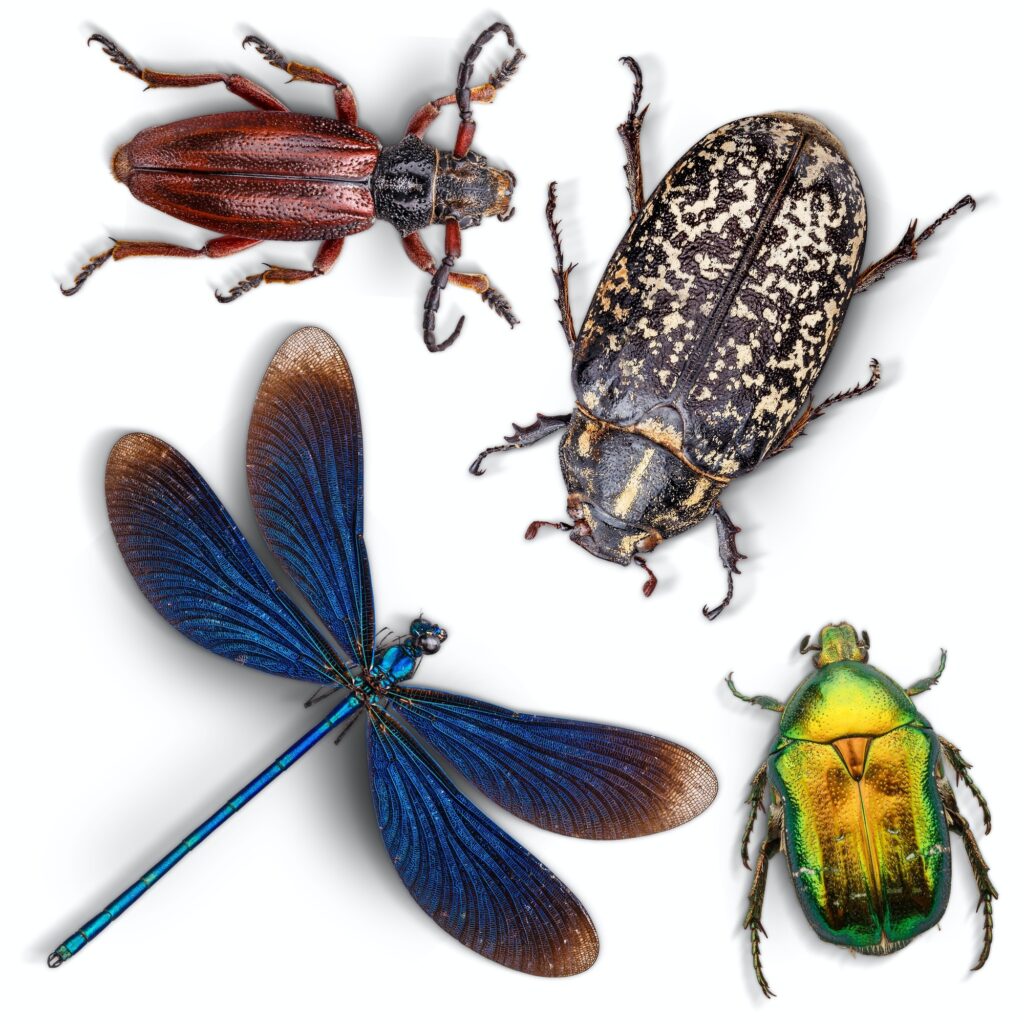
Effective insect monitoring is an essential part of managing pest activity in and around homes. Without consistent tracking, infestations often go unnoticed until they become serious, leading to health risks, property damage, and the need for costly treatments. Monitoring helps identify the presence, population size, and behavior of insects so that informed decisions can be made about insect control. By following best practices, homeowners and professionals alike can reduce risks while keeping environments healthier and more comfortable.

Why Insect Monitoring Matters
Monitoring is the foundation of a proactive approach to pest management. Instead of waiting for infestations to grow large enough to be obvious, regular inspections and tracking techniques help detect pests early. This saves time, money, and stress by ensuring problems are managed before they escalate.
Key reasons insect monitoring is important include:
- Early detection: Identifies pests before they cause noticeable damage.
- Accurate identification: Determines which insect species are present for targeted treatment.
- Population tracking: Measures growth or decline in pest numbers over time.
- Preventive focus: Supports long-term strategies rather than reactive treatments.
- Improved safety: Reduces reliance on unnecessary or excessive pesticide use.
Monitoring also works hand-in-hand with broader pest prevention strategies. For example, cleanliness and prevention are directly linked to fewer insect problems. Tracking helps verify whether these preventive measures are working effectively.
Tools and Techniques for Insect Monitoring
Different tools are available to help identify and track insect activity. Using a combination of techniques ensures that infestations are not overlooked, especially when dealing with pests that hide in walls, basements, or outdoor environments.
Common monitoring tools include:
- Sticky traps: Capture crawling and flying insects, providing a snapshot of activity.
- Light traps: Attract insects such as moths and flies to monitor populations.
- Bait stations: Used to detect ants, cockroaches, and other crawling insects.
- Inspection tools: Flashlights, magnifiers, and moisture meters help identify hidden pests.
- Logs and records: Tracking sightings and trap results over time reveals trends.
Consistency is key with insect monitoring. Traps should be checked regularly, and findings recorded to spot patterns. This ongoing process provides valuable information that guides effective insect control strategies.
Best Practices for Indoor and Outdoor Monitoring
Insect activity varies depending on the environment, so both indoor and outdoor spaces need attention. Effective monitoring requires strategic placement of traps, consistent inspections, and a focus on conditions that encourage infestations.
Indoor monitoring practices include:
- Check kitchens and bathrooms: Moisture and food attract cockroaches, ants, and other pests.
- Inspect storage areas: Cardboard boxes and clutter provide hiding spots for insects.
- Look in basements and attics: These dark, quiet spaces often harbor pests.
- Monitor entry points: Windows, doors, and vents should be checked regularly.
Outdoor monitoring practices include:
- Survey landscaping: Overgrown weeds, shrubs, and woodpiles create harborage for insects.
- Check around foundations: Cracks or gaps often serve as entry points.
- Inspect lighting areas: Outdoor lights attract insects that may migrate indoors.
- Track seasonal changes: Warmer months and wet seasons can increase populations.
By tailoring monitoring strategies to different environments, homeowners can stay ahead of infestations and reduce the need for reactive treatments.
Benefits of Professional Insect Control Services
While monitoring is a valuable tool for homeowners, professional expertise ensures that results are interpreted correctly and applied effectively. Specialists bring training, experience, and access to tools that go beyond what is available to the general public.
Advantages of professional insect control include:
- Precise identification: Experts distinguish between similar-looking species.
- Customized treatments: Targeted approaches based on monitoring results.
- Integrated strategies: Combine monitoring, prevention, and treatment for lasting results.
- Safe applications: Professionals ensure that products are applied responsibly.
- Long-term prevention: Regular inspections reduce the likelihood of recurring infestations.
Professional involvement also supports sustainable management. Services that focus on the long-term benefits of regular pest control emphasize prevention over repeated, short-term treatments. This saves homeowners both time and money while protecting health and property.
Building an Ongoing Monitoring Plan
Insect monitoring is not a one-time task but an ongoing commitment. Regular inspections, trap checks, and adjustments to prevention strategies form a cycle that ensures pests remain under control.
Steps for an effective monitoring plan include:
- Set a schedule: Monthly checks indoors and seasonal checks outdoors.
- Combine tools: Use sticky traps, light traps, and visual inspections together.
- Record data: Keep detailed notes on sightings, trap results, and conditions.
- Adjust strategies: Modify prevention methods based on monitoring feedback.
- Seek professional help: Partner with experts when infestations persist or expand.
By incorporating monitoring into routine home maintenance, pest issues can be kept under control more effectively. Consistency builds a layer of protection that helps maintain safe and healthy environments.
Stay Ahead with Expert Monitoring
Insect monitoring is the key to proactive pest management, ensuring infestations are detected and controlled before they become costly or hazardous. While simple tools can provide valuable information, professional expertise ensures long-term success. For reliable and effective support, contact Peak Pest Control today and keep your property protected year-round.