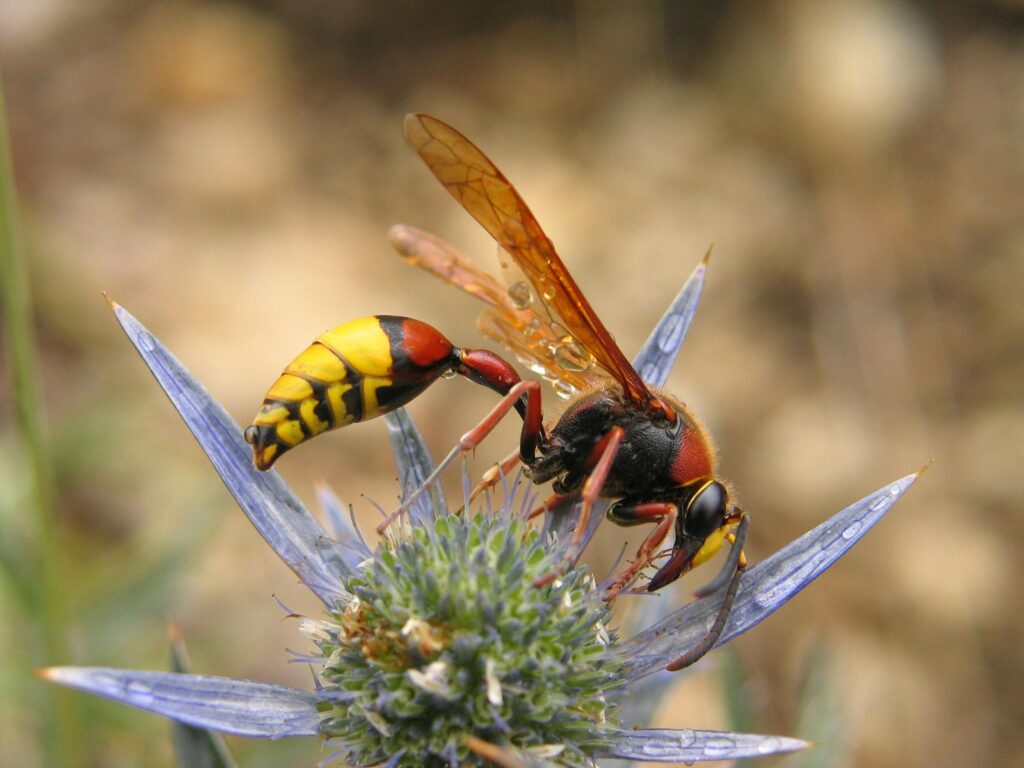
For families with young children, time outdoors is often filled with play, laughter, and exploration. Yet hidden in the garden, near decks, or around sheds, wasps can create hazards that parents may underestimate. Unlike bees, wasps are capable of stinging multiple times, which increases the likelihood of painful encounters and allergic reactions. Children, curious by nature, may unknowingly disturb a nest, leading to dangerous swarms.
The risks go beyond immediate pain. Some children have severe sensitivities that can quickly turn a sting into a medical emergency. Because nests can be tucked away in fences, play structures, or even attics, they are not always visible. Recognizing the importance of proactive monitoring and protective steps helps create safer spaces for kids to enjoy their surroundings without unnecessary worry.
Common Nesting Areas Parents Should Watch
Knowing where wasps typically build their nests is key to prevention. These insects choose spots that are sheltered, warm, and close to food sources. Families should remain alert to unusual activity in the following areas:
- Play structures and swing sets: Wasps may build in shaded corners or under platforms where children often spend time.
- Roof eaves and siding gaps: These spaces offer protection from the elements and are easy for wasps to access.
- Shrubs, hedges, and trees: Dense greenery near patios or yards can conceal hidden nests.
- Garages and sheds: Stored items and open rafters provide undisturbed nesting spaces.
- Fence posts or ground holes: Certain species create nests in cavities close to the soil, putting kids at risk when playing outside.
Being mindful of these hotspots allows parents to spot early signs of activity before the colony becomes aggressive or large enough to threaten children. If a nest is discovered, direct removal without training should be avoided, as wasps defend their territory aggressively. Families are better served by contacting experts for emergency wasp nest response as they are trained in safe removal, particularly in urgent cases.
Practical Prevention Strategies for Families
Prevention plays a vital role in reducing the likelihood of children encountering wasps. Simple adjustments in both landscaping and household maintenance can significantly lower risks. Parents can focus on practical measures such as:
- Secure trash bins: Wasps are attracted to leftover food and sugary drinks. Ensuring bins are tightly closed keeps them from lingering near play areas.
- Limit food outdoors: Sticky residues on tables, cups, or toys encourage activity. Clean surfaces promptly after meals or snacks outside.
- Seal entry points: Check screens, vents, and cracks in siding for potential access spots that lead to attics or garages.
- Choose plants wisely: Some flowers attract wasps more than others. Selecting low-attraction varieties helps reduce interest around play spaces.
- Monitor water sources: Puddles, bird baths, and dripping faucets can become gathering spots. Keeping these areas maintained makes the environment less appealing.
These actions lower the chance of nests forming in high-traffic areas. Still, no prevention effort is foolproof, and recurring sightings often signal a larger issue that should be addressed with professional assistance.
Teaching Children Smart Safety Habits
Education is as important as prevention when it comes to safeguarding children from wasps. Kids may not always understand the dangers of swatting or provoking these insects, so guiding them with practical rules helps foster safer habits.
- Stay calm around wasps: Teach children not to wave their arms or run if one flies nearby, since sudden movement may provoke stings.
- Avoid brightly colored clothing: Bold colors and floral prints can unintentionally attract wasps.
- Keep distance from nests: Make sure children know never to touch or disturb a nest, even if it looks abandoned.
- Use protective barriers: Encourage wearing shoes outdoors and limiting play in overgrown or shady corners where nests may be hidden.
- Report sightings quickly: Remind kids to tell an adult if they notice a cluster of wasps or an unusual structure.
By instilling awareness, parents reduce risky behavior and empower their children to enjoy outdoor spaces with fewer concerns. Guidance is particularly useful before events such as yard gatherings or when introducing kids to new outdoor areas.
When Expert Help Becomes Essential
Despite preventive care and safety education, wasps can still become persistent problems. Colonies grow quickly during warm months, and by the time parents notice heavy activity, the nest may already be large and aggressive. Attempting to tackle the problem independently often results in heightened risks, as disturbed wasps can sting repeatedly.
Professional services provide benefits that extend beyond safe nest removal. Trained technicians assess structural vulnerabilities, identify less visible nests, and create treatment plans that reduce the chances of recurrence. They also ensure that the removal process minimizes disruption to the family’s daily life. Proper follow-up and guidance make long-term safety achievable in ways that do-it-yourself methods rarely match.
A safer environment also depends on preparation. Parents who want to reduce exposure before treatments can benefit from practical advice, such as the steps outlined in this helpful guide on preparing your home for pest control. Integrating preparation with professional expertise ensures that solutions are not only effective but also sustainable.
Take the First Step Toward Safer Spaces
Parents should not have to choose between children’s safety and time spent outdoors. With proper attention, prevention, and expert support, homes and yards can remain safe from stinging insects throughout the year. For lasting results that protect both children and families, contact Peak Pest Control and request trusted guidance tailored to your home’s needs.