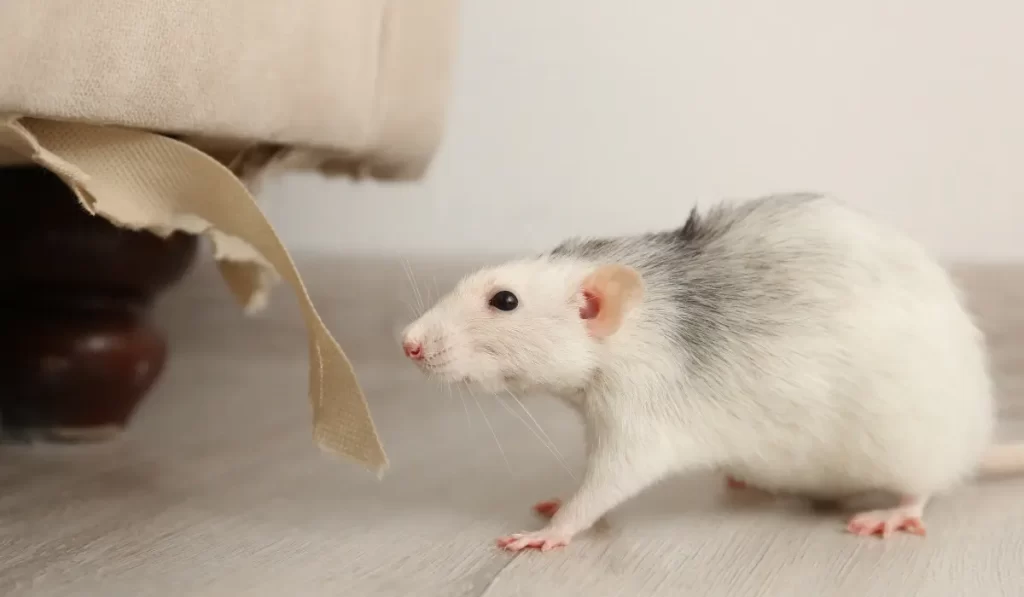
Rodents are among the most common household invaders during colder months, often entering homes in search of warmth, food, and shelter. Once inside, they can cause extensive property damage and pose health risks by contaminating food and spreading bacteria. Recognizing the early signs of rodent activity allows homeowners to act before a minor intrusion becomes a full infestation.
Understanding how rodents behave, where they hide, and what clues they leave behind is key to maintaining a safe and pest-free environment. By spotting the warning signs early, you can prevent structural damage, protect stored goods, and maintain better hygiene indoors.

Common Clues of Rodent Presence
Rodents leave behind several clear indicators of their presence long before they are seen in person. They are nocturnal creatures, so most activity happens at night, but evidence accumulates quickly in hidden areas.
Here are the most common signs of rodent activity inside homes or commercial spaces:
- Droppings: Small, dark pellets found near food storage, along baseboards, or behind appliances. Fresh droppings are soft and shiny, while older ones appear dull.
- Gnaw marks: Mice and rats constantly chew to keep their teeth short, leaving marks on food packaging, furniture, and even electrical wires.
- Nesting materials: Shredded paper, fabric, or insulation are used to build nests, typically found in secluded corners or storage boxes.
- Grease trails: Oily rub marks appear along walls or entry points from repeated contact with rodent fur.
- Scratching sounds: Audible noises in walls, ceilings, or attics, especially at night, indicate movement or nesting.
Rodents tend to follow the same pathways repeatedly, so spotting any combination of these clues in concentrated areas is a strong indication of active infestation.
Areas Where Rodents Typically Hide
Rodents prefer hidden, undisturbed areas where they can remain concealed during the day and access food at night. The longer these areas go unchecked, the more likely infestations become established.
The most common indoor hiding and nesting spots include:
- Kitchens and pantries: Food sources such as grains, pet food, and crumbs attract rodents.
- Basements and crawl spaces: These areas offer warmth and easy access from outside entry points.
- Attics and wall voids: Insulation provides excellent nesting material, and the space offers protection.
- Garages and storage rooms: Cardboard boxes and clutter create ideal cover for nesting.
- Utility areas: Water heaters, laundry rooms, and under sinks often provide warmth and moisture.
Since rodents are adept climbers, they can enter through attics, vents, and roof openings. In cooler months, they often relocate from exterior shelters like sheds or garages to interior spaces. For outdoor prevention, the article on rodent-proofing sheds explains how sealing gaps and managing clutter can stop rodents before they reach your home.
Early Damage and Contamination Signs
Rodents are destructive by nature. They chew through various materials to gather nesting supplies and maintain their constantly growing teeth. Even a small number of rodents can cause noticeable damage within weeks. Recognizing early damage patterns can prevent further deterioration.
Look for these warning signs of damage:
- Chewed packaging: Food bags, boxes, or containers with small holes or tears.
- Frayed wires: Rodents gnaw on electrical cords, creating fire hazards and costly repairs.
- Torn insulation: Evidence of nesting in attics or behind walls.
- Contaminated surfaces: Grease smudges, droppings, and urine stains around baseboards or corners.
- Damaged furniture or fabrics: Sofas, cushions, and rugs may show gnaw marks or shredded material.
Aside from property damage, rodents can carry pathogens such as Salmonella and hantavirus, making immediate intervention essential once contamination is suspected. Maintaining good sanitation can limit their food sources, but only professional exclusion ensures long-term control.
Why DIY Methods Often Fail
Many homeowners attempt to handle rodent infestations with traps or repellents, but these solutions only address visible symptoms rather than the source of the problem. Rodents are intelligent and adaptable, capable of avoiding poorly placed traps or repopulating after partial elimination.
DIY methods often fail for several reasons:
- Hidden entry points: Without professional inspection, structural gaps may remain unnoticed.
- Rapid reproduction: A few remaining rodents can rebuild an entire colony within weeks.
- Limited access: Most infestations occur behind walls, attics, or crawl spaces where standard tools cannot reach.
- Safety risks: Improper handling of baits or chemicals can pose health hazards to people and pets.
A thorough approach includes exclusion, sanitation, and monitoring to ensure complete removal. Our article on professional exclusion vs DIY highlights how expert inspections and sealing techniques offer more reliable results, especially in persistent infestations.
Professional pest control technicians use advanced equipment such as thermal cameras, moisture sensors, and tracking dust to locate nests and entry routes precisely. They can then create customized treatment plans that prevent reentry and ensure long-term protection.
Preventing Future Rodent Infestations
Once rodent activity has been addressed, preventive maintenance keeps new infestations from developing. Rodents are opportunistic, so even after successful elimination, they may return if the environment remains accessible or attractive.
Here are steps to reduce the risk of reinfestation:
- Seal structural gaps: Inspect the foundation, roof, and vents for cracks or openings. Close all gaps larger than a quarter inch.
- Store food properly: Use airtight containers for dry goods and clean up spills promptly.
- Maintain yard cleanliness: Trim vegetation and remove debris that provides outdoor harborage.
- Reduce clutter: Keep storage areas organized to eliminate hiding spaces.
- Schedule regular inspections: Professionals can identify potential entry points and provide early intervention before infestations take hold.
Routine monitoring is key, especially in regions with fluctuating temperatures where rodents move between indoor and outdoor shelters seasonally. Maintaining a clean and well-sealed home is the foundation of effective rodent control.
Stay Ahead of Rodent Problems
Rodent infestations can escalate quickly if early signs are ignored. Identifying droppings, gnaw marks, and nesting materials early allows for timely action before damage worsens. For complete inspection and long-term protection, contact Peak Pest Control.