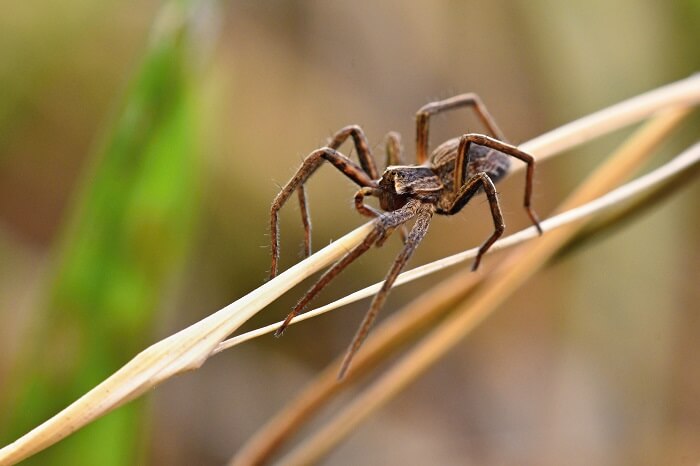
Cold-climate homes create a very specific indoor environment that can quietly support spider activity for months. Long winters, sealed construction, and steady heating cycles change how pests behave indoors. Spiders, in particular, respond quickly to these shifts. While many homeowners see spiders as minor nuisances, sustained indoor spider activity can carry hidden risks tied to health, comfort, and the overall pest pressure inside the structure. Let’s talk about what hidden dangers come with spider presence.

Why Cold Weather Drives Spiders Indoors
Cold weather directly influences spider movement, but the bigger driver is indoor stability. As outdoor temperatures decline, insect populations drop, and spiders lose the conditions that normally support them outside. Indoors, heated air, protected corners, and consistent humidity pockets create a safer environment. Many cold-climate homes are designed to retain heat, which also means fewer air exchanges and more stable microclimates, especially in basements, wall voids, attics, and utility areas.
Several environmental factors contribute to indoor spider migration:
- Declining outdoor insect populations that push spiders to follow food sources inside
- Warm air movement through walls, vents, and crawl spaces during heating cycles
- Moisture retention in basements, bathrooms, and laundry areas
- Quiet storage zones that remain undisturbed for long periods
Once spiders enter, activity often concentrates in hidden spaces. They may settle behind stored items, inside insulation gaps, or near structural transitions where heat and airflow meet. Over time, webs appear in corners or around window frames, but those visible signs often represent only the outer edge of the activity. If early indicators are missed, the indoor population can persist and resurface each winter. For a closer look at subtle warning signs that often get ignored, in our previous blog post, Hidden Spider Signs breaks down what typically shows up before infestations become obvious.
Health and Environmental Risks Inside the Home
Spiders are rarely aggressive, but indoor exposure still creates legitimate concerns. In cold climates, families spend more time indoors for longer stretches, and that extended indoor time increases the chance of accidental contact with spiders that are hiding in everyday areas. Bites are not the most common issue, but they can happen when spiders are trapped in clothing, shoes, bedding, or stored items that are suddenly moved. Even when bites are not severe, skin reactions and irritation can lead to avoidable discomfort.
Indoor spider activity also signals a bigger reality: spiders go where prey exists. If spiders keep reappearing, there is often ongoing insect activity supporting them. That does not always mean a visible infestation, but it does suggest a steady food supply in hidden areas. In cold climates, that prey chain can continue quietly in crawl spaces, basements, and wall voids while the home feels otherwise “quiet.”
Hidden Infestations and Structural Indicators
Spiders thrive in spaces people rarely inspect. That is why many cold-climate infestations build slowly and remain unnoticed until activity reaches living areas. Basements and garages are common starting points, but the real footholds often occur in structural voids such as rim joists, insulation edges, and gaps near plumbing penetrations. Attics can also become long-term spider zones because they provide darkness, low disturbance, and access to roofline entry points.
Spiders commonly occupy:
- Wall cavities and insulation voids
- Basement rim joists and foundation seams
- Attic corners and roofline intersections
- Storage rooms, garages, and utility closets
Although spiders do not chew wood or damage wiring, their presence can still point to conditions that matter. Moisture buildup, shifting foundation gaps, and poorly sealed penetrations do not just invite spiders. These openings and humidity pockets can support multiple pest types. In cold climates, freeze and thaw cycles may expand tiny cracks over time, and those growing access points can increase pest entry from season to season. That is why recurring spider activity should be treated as an indicator, not just an isolated event.
Why Professional Assessment Matters in Cold Climates
Cold-climate spider issues are rarely solved by focusing on what is visible. The spider that gets noticed in a hallway or bathroom is often a symptom of activity happening elsewhere. Effective spider control depends on identifying where spiders are harboring, how they are entering, and what conditions are sustaining them. That requires structured inspection, knowledge of seasonal behavior, and careful attention to building layout.
It also matters because missteps can prolong the problem. Incomplete approaches often miss hidden harborages, which allow spiders to rebound quietly. When that happens, homeowners may feel stuck in a cycle of recurring sightings that never fully ends. For context on why misdirected efforts can lead to higher costs over time, from our blog post, DIY pest mistakes explains how small errors can keep pest pressure alive even when the home seems calm for a while.
Long-Term Protection for Cold-Climate Homes
Long-term spider management is about prevention and control of conditions, not chasing random sightings. Cold-climate homes benefit most from strategies that consider seasonal behavior, structural vulnerability, and indoor environmental stability. When those factors remain unaddressed, spider activity can return every winter, even if the home feels fine during warmer months.
Key benefits of professional oversight include:
- Accurate identification of spiders common to cold environments
- Recognition of indoor patterns linked to heating cycles and humidity pockets
- Targeted prevention steps that reduce indoor suitability over time
- Ongoing monitoring that adapts to seasonal shifts in pest activity
When spider activity is treated as a pattern rather than a surprise, indoor comfort improves, and repeated seasonal stress decreases. A structured plan also reduces the chance that spider activity will indicate larger pest pressure, since spiders commonly track the insects that live unnoticed in hidden areas. Over time, professional spider control supports a cleaner indoor environment, fewer surprise encounters, and better confidence in how the home is protected during long winter stretches.
Taking the Next Step
If spider activity persists through multiple winters, spreads into new rooms, or feels like a recurring seasonal issue, professional insight can provide clarity and direction. Contact Peak Pest Control to schedule an expert evaluation and learn more about long-term protection for cold-climate homes.