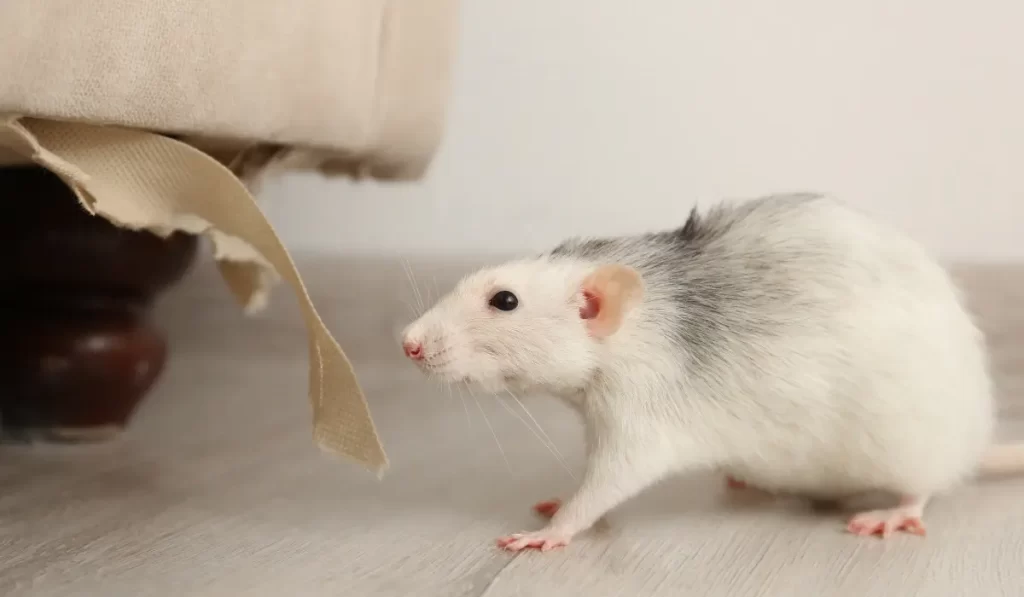
As the fall season arrives and temperatures begin to drop, rodents look for warm, sheltered areas to nest. Sheds often provide the perfect refuge with stored items, minimal disturbance, and plenty of entry points. Left unprotected, a shed can quickly become a home for mice or rats, leading to damage, contamination, and stress for property owners. Taking time to rodent-proof your shed before the season changes is an essential step in protecting both your belongings and your property.
Rodents are opportunistic, and their ability to squeeze through small openings makes sheds especially vulnerable. Once inside, they chew wires, damage wood, and leave droppings that can contaminate equipment and stored goods. Understanding what draws them in and how to block their access will significantly reduce the chances of infestation.

Why Rodents Target Sheds in the Fall
Rodents become more active in the fall as they prepare for colder weather. Sheds are appealing because they provide shelter, access to nesting materials, and sometimes food. Even if you do not store food items, rodents will gnaw on insulation, cardboard, or stored fabrics to create nests.
Reasons sheds are vulnerable include:
- Accessible openings: Gaps under doors or cracks in walls allow easy entry.
- Stored items: Cardboard boxes, bags, or fabrics provide nesting materials.
- Minimal traffic: Sheds are often rarely visited, allowing rodents to remain undisturbed.
- Nearby vegetation: Weeds and shrubs create cover and pathways leading to sheds.
- Seasonal behavior: Rodents naturally seek enclosed, insulated spaces before winter.
Sheds that are not sealed or maintained offer rodents an easy place to thrive. Learning about rodent entry points helps identify the exact vulnerabilities rodents exploit.
Steps to Seal and Protect Your Shed
The most effective way to keep rodents out is by eliminating entry routes and reducing the conditions that attract them. While rodents are skilled at finding ways indoors, consistent prevention methods make sheds far less appealing.
Rodent-proofing steps include:
- Inspect doors and windows: Ensure frames fit tightly, and add weather stripping where needed.
- Seal cracks and gaps: Use steel wool, hardware cloth, or caulk to block holes larger than a quarter inch.
- Protect vents and openings: Cover with mesh screens that rodents cannot chew through.
- Elevate storage: Keep boxes and containers off the ground to reduce nesting opportunities.
- Trim vegetation: Cut back weeds, shrubs, and branches around the shed perimeter.
Taking the time to seal and maintain the shed structure provides long-term protection. Even small improvements like replacing old door sweeps or reinforcing corners with rodent-resistant materials help reduce risks.
Reducing Attractants Inside and Around the Shed
Rodents are drawn to areas that provide easy access to food, water, or shelter. Minimizing these attractants is a crucial part of rodent control, both indoors and outdoors.
Effective practices include:
- Use sealed containers: Store pet food, bird seed, or other items in metal or thick plastic bins.
- Remove clutter: Cardboard, paper, and fabrics give rodents materials to build nests.
- Clean regularly: Sweep floors, clear cobwebs, and dispose of trash to eliminate hiding spots.
- Fix leaks: Standing water from leaks or poor drainage attracts rodents and insects.
- Maintain landscape: Keep grass cut and eliminate debris piles near the shed.
By reducing the resources available to rodents, sheds become less attractive as a potential nesting site. These steps also improve overall cleanliness and reduce other pest activity.
Recognizing Signs of Rodent Activity Early
Catching infestations early makes a big difference in controlling damage. Sheds are often visited less frequently, so rodent activity can go unnoticed for weeks. Learning to spot subtle warning signs ensures problems are addressed before they grow larger.
Signs of rodent presence include:
- Droppings: Small, dark pellets near walls, shelves, or stored items.
- Gnaw marks: Damage on wood, plastic, or stored materials.
- Nests: Shredded paper, fabric, or insulation in corners.
- Noises: Scratching or scurrying sounds during quiet hours.
- Odors: Strong, musky smells from urine or nesting activity.
Misconceptions about rodent behavior often delay action. For example, many believe rodents only infest dirty areas, but they can invade even clean and organized spaces. Understanding myths about rodents clears up these misconceptions and emphasizes the need for proactive prevention.
When to Seek Professional Rodent Control
While prevention is effective, infestations can still develop, especially in older sheds or properties with heavy rodent activity nearby. Professional pest management offers the tools and expertise to eliminate infestations thoroughly while preventing future problems.
Benefits of professional rodent control include:
- Thorough inspections: Identifying entry points and nesting areas.
- Targeted treatments: Safe and effective methods that go beyond DIY efforts.
- Comprehensive protection: Addressing infestations both inside and outside the shed.
- Preventive measures: Recommendations for sealing and long-term rodent-proofing.
- Peace of mind: Knowing infestations are eliminated and will not return.
By partnering with experts, homeowners gain lasting protection and avoid the cycle of recurring infestations. This ensures that sheds remain safe, functional, and free from costly damage.
Secure Your Shed Before Winter
Rodents see sheds as prime shelter during the fall season, but prevention makes a significant difference. By sealing entry points, reducing attractants, and watching for signs of activity, you can protect your shed from infestations. For reliable support and effective strategies, contact Peak Pest Control today and keep your property safe from rodent problems this fall.