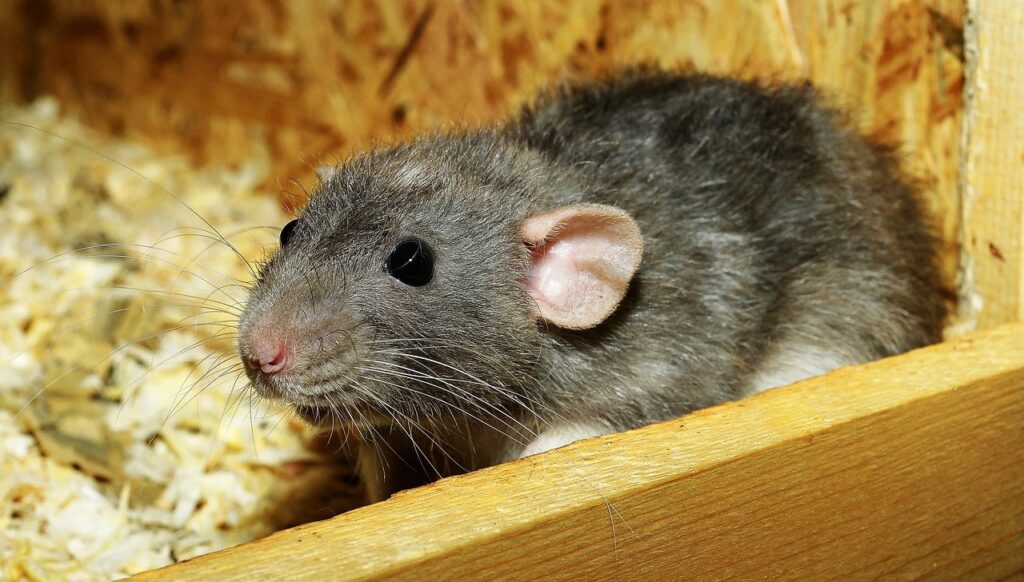
Rodents are among the most persistent pests homeowners face. Once they enter a property, they multiply quickly, chew through materials, and contaminate food sources. Effective management requires more than simple traps or deterrents; it requires exclusion. Rodent exclusion focuses on preventing access in the first place, sealing every possible entry point, and removing conditions that attract them. But when it comes to achieving long-term success, the difference between professional exclusion and DIY efforts is significant.
Understanding Rodent Exclusion
Rodent exclusion is the process of identifying, sealing, and reinforcing potential access points that allow mice and rats into buildings. It also involves correcting environmental conditions that encourage nesting, such as available food, shelter, or water sources.
Because rodents are highly adaptive, exclusion goes beyond basic repairs. It requires understanding their behavior, anatomy, and survival instincts. Mice can squeeze through openings as small as a dime, while rats can chew through materials like wood, rubber, and soft metals. Without a complete barrier, even a small gap can undermine the effort entirely.
Rodent exclusion typically includes:
- Thorough inspection: Identifying entry points in foundations, attics, crawlspaces, and vents.
- Sealing and reinforcement: Using durable materials such as steel mesh, caulk, or metal flashing.
- Environmental management: Reducing outdoor clutter, trimming vegetation, and improving sanitation.
- Monitoring: Checking for new activity and signs of re-entry.
Because rodents breed throughout the year, exclusion should be part of a long-term pest management strategy rather than a one-time fix.
The seasonal importance of preparation is explained in our article on rodent-proofing your shed this fall season, which highlights how colder weather drives these pests indoors in search of warmth and nesting areas.
Why DIY Rodent Control Falls Short
Homeowners often attempt to control rodent problems using traps, bait stations, or natural repellents. While these can reduce visible activity temporarily, they do little to solve the root cause: open access points and abundant nesting sites. DIY exclusion efforts frequently overlook the complexity of rodent behavior and the building’s structural vulnerabilities.
Common shortcomings of DIY methods include:
- Incomplete sealing: Missing small or hidden openings, particularly around pipes or rooflines.
- Inappropriate materials: Using soft fillers like foam or plastic that rodents easily chew through.
- Lack of inspection tools: Without proper equipment, it’s difficult to locate nesting zones or travel paths.
- Improper sanitation: Failure to eliminate attractants like pet food, crumbs, or trash.
- Limited understanding of rodent behavior: Misidentifying species can lead to ineffective control tactics.
Even when traps catch a few individuals, unaddressed entry points mean new rodents will continue to enter. A true exclusion program involves preventing re-entry entirely, not just managing visible activity.
Advantages of Professional Rodent Exclusion
Professional exclusion services combine technical expertise with specialized materials and advanced detection tools. Pest control technicians undergo training to recognize rodent entry points that are often invisible to the untrained eye. They also follow proven procedures designed for durability and safety.
Key advantages include:
- Comprehensive assessment: Technicians inspect structural weak points, roof vents, crawlspaces, and utility lines.
- Use of industrial-grade materials: Professionals rely on heavy-duty sealants and exclusion mesh resistant to chewing and weathering.
- Targeted treatments: Experts identify and address rodent pathways rather than applying random fixes.
- Health and safety compliance: Professionals handle droppings and insulation contamination safely, preventing airborne risks.
- Integrated approach: Combining exclusion with monitoring and sanitation ensures long-term control.
Professionals also customize exclusion strategies to match local conditions, such as Reno’s temperature shifts and desert terrain, which influence how rodents move between outdoor and indoor spaces.
A detailed look at the importance of regular inspections is covered in our article on why regular pest inspections are essential for a healthy home. This ongoing monitoring complements exclusion efforts by detecting new vulnerabilities before infestations occur.
Comparing Results: Professional Vs. DIY
When comparing professional rodent exclusion with DIY methods, the difference is not just in outcome but in long-term sustainability. While DIY solutions often provide temporary relief, professional exclusion delivers comprehensive protection that prevents recurrence.
Here’s how the two approaches differ:
- Scope of inspection: DIY methods rely on visible clues, whereas professionals use experience and tools like moisture meters, cameras, and UV light to detect hidden signs.
- Quality of materials: Professional-grade exclusion uses chew-resistant metals and sealants tested for durability.
- Coverage and accuracy: Experts seal gaps homeowners may overlook, including small crevices in foundations, crawlspaces, and roof eaves.
- Ongoing protection: Professionals establish monitoring programs to track rodent activity and maintain the barrier’s integrity.
- Time and safety: DIY methods often take longer, involve trial and error, and can expose homeowners to health risks.
Because rodents reproduce quickly, even small mistakes can lead to recurring infestations within weeks. Professional exclusion reduces these risks by combining prevention, treatment, and maintenance in one cohesive plan.
Long-Term Benefits of Expert Exclusion
Investing in professional exclusion offers both immediate and long-term benefits. Once a home is sealed, the need for ongoing chemical treatments or traps decreases significantly. It also improves overall home hygiene and protects property value by reducing damage to insulation, wiring, and structural materials.
Long-term benefits include:
- Sustained prevention: Continuous monitoring ensures early detection of new threats.
- Reduced repair costs: Preventing chewing and nesting damage lowers maintenance expenses.
- Health protection: Eliminates contamination from droppings and urine.
- Peace of mind: Knowing your home is structurally secure against rodent intrusion.
- Integrated pest control: Works in tandem with other pest management systems for full protection.
In regions with fluctuating temperatures and seasonal pest pressures, consistent professional oversight ensures that exclusion barriers remain effective year-round. Regular follow-ups strengthen defense lines and adjust to environmental changes that affect rodent behavior.
Seal Out Rodents With Expert Help
Effective rodent exclusion requires more than patching holes or setting traps. It demands detailed inspection, durable materials, and a prevention plan tailored to your property’s unique structure. To protect your home from recurring infestations and maintain lasting peace of mind, contact Peak Pest Control for expert exclusion services that safeguard your property through every season.