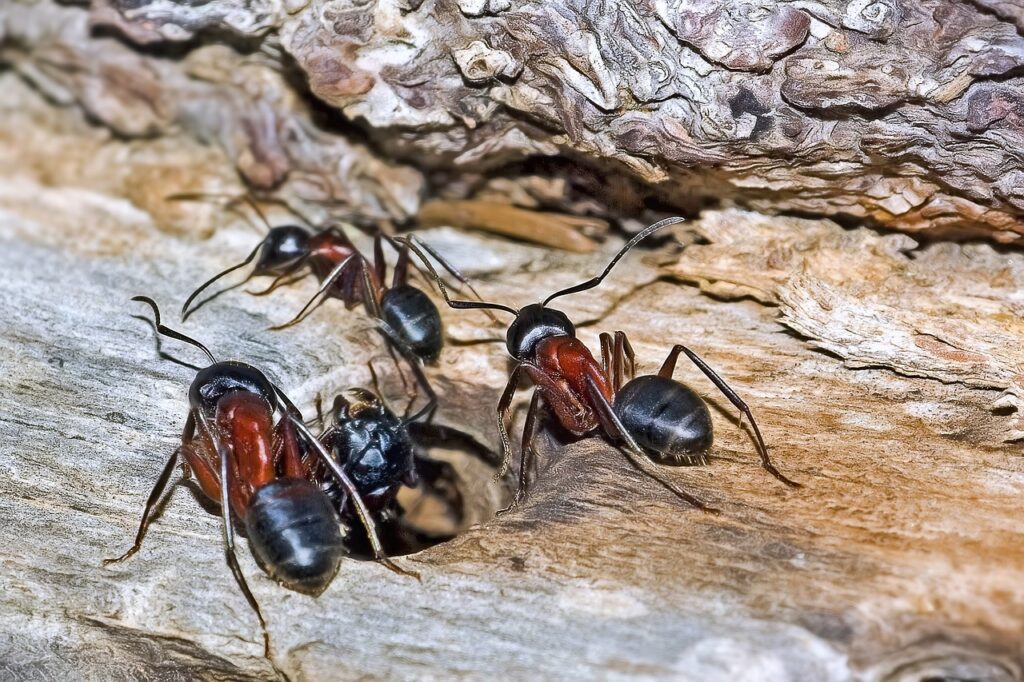
As temperatures drop and daylight hours shorten, many pests begin seeking shelter indoors, and ants are no exception. While they’re most active during warm months, their behavior shifts dramatically in fall as colonies prepare for colder conditions. Understanding how cooler weather influences ant behavior helps homeowners recognize early warning signs and take preventive measures before infestations grow.

Seasonal Shifts in Ant Activity
Ants are highly responsive to temperature and moisture changes. Their daily activity slows as the environment cools, but their survival instincts push them to secure food and warmth before winter sets in. The fall season triggers a transitional phase in their life cycle, where they redirect energy toward building reserves and finding protection.
Key behavioral changes include:
- Foraging reduction: As food sources decline outdoors, ants limit travel distances to conserve energy.
- Colony relocation: Many colonies move deeper underground or into walls and foundations to escape the cold.
- Food hoarding: Worker ants collect and store carbohydrates, fats, and proteins to sustain the colony during winter.
- Indoor migration: Warm structures such as kitchens, basements, and utility rooms become ideal refuge points.
These shifts explain why homeowners often notice increased indoor activity during late fall. Colonies may already be established within walls or near heating systems, continuing to forage in small, hidden areas.
For a closer look at ant movement patterns, the post on ant trails and what they reveal provides insight into how these organized paths reflect colony strength and proximity.
Why Ants Invade Homes in Fall
As outdoor temperatures dip, ant colonies focus on maintaining internal stability. They require consistent warmth and moisture, which become harder to find outdoors. Human environments offer both, along with a steady supply of food crumbs, grease, and sugary residues.
During the fall, infestations typically start in areas such as:
- Kitchens: Food preparation zones attract ants with residual oils and sweets.
- Basements and crawlspaces: These humid areas mimic the natural nesting conditions ants prefer.
- Wall voids: Insulated, undisturbed spaces protect colonies from outdoor temperature swings.
- Plumbing lines: Moisture around pipes provides both hydration and warmth.
Once ants establish indoor colonies, they can remain active year-round, resurfacing each spring. This persistence makes proactive ant control essential before cold weather encourages their migration indoors.
Why DIY Methods Often Fail in Cooler Months
Many homeowners try DIY treatments during the first signs of indoor ant activity. However, fall infestations require more than surface solutions. Colonies often hide deep within structures, making it difficult to locate and eliminate the queen: the central figure responsible for reproduction and colony survival.
Common DIY limitations include:
- Temporary relief: Sprays and traps only target visible foragers, not the root colony.
- Hidden nesting sites: Without inspection tools, finding entry points or nest locations is challenging.
- Inadequate sealing: Ants can exploit gaps as small as a pinhead to access food or warmth.
- Species variation: Different ant species react differently to baits or repellents, reducing effectiveness.
Because ants adapt quickly to changes in their environment, DIY efforts often lead to recurring infestations. Professional inspections identify structural vulnerabilities and entry routes that are easy to miss without training or specialized tools. Moreover, regular pest inspections are essential for a healthy home to ensure that early signs of ant activity are detected before colonies expand further indoors.
Professional Ant Control Strategies for Fall and Beyond
Professional pest technicians approach ant control through integrated methods designed to prevent re-entry and eliminate colonies entirely. Unlike seasonal spot treatments, these programs target environmental factors and apply long-term exclusion strategies.
Effective fall and winter control includes:
- Thorough inspection: Technicians trace foraging lines, entry gaps, and structural vulnerabilities.
- Targeted baiting: Slow-acting baits are strategically placed to reach the colony’s core.
- Barrier treatments: Low-toxicity perimeter applications stop outdoor colonies from migrating inside.
- Moisture management: Professionals identify leaks or humidity issues that sustain ants.
- Structural repair: Sealing cracks and replacing damaged weather-stripping reduces new entry opportunities.
Ant behavior varies throughout the year, and understanding their seasonal cycles allows professionals to adjust treatment timing accordingly. Early fall is particularly effective for preventive action since colonies are still active but beginning to relocate indoors.
Preparing for Winter: Long-Term Prevention Tips
Once temperatures fall below freezing, ant activity slows but does not stop completely. Colonies remain dormant indoors or within soil cavities until warmth returns. Taking preventive measures before this stage greatly reduces the chance of spring infestations.
To reinforce year-round ant control, homeowners can:
- Inspect entry points: Seal gaps around windows, door frames, and utility lines.
- Store food properly: Use airtight containers and clean up crumbs promptly.
- Manage moisture: Run dehumidifiers in basements and keep sink areas dry.
- Maintain landscaping: Trim shrubs and remove leaf litter touching exterior walls.
- Schedule winter inspections: Professionals can detect hidden colonies before they multiply.
Fall preparation not only prevents ant invasions but also discourages other overwintering pests such as spiders and rodents. Regular maintenance ensures your home stays protected through fluctuating temperatures.
Keep Ants Away All Year
The chill of fall triggers major changes in ant behavior, driving them indoors and closer to human activity. Understanding these seasonal patterns helps you act before infestations grow beyond control. For reliable protection that adapts through every season, schedule expert service with Peak Pest Control and keep your home safeguarded year-round.