When autumn gives way to colder weather in Reno, homeowners often notice unwanted activity inside their walls, attics, and basements. This is the time of year when rodents, especially mice and rats, start seeking shelter indoors. As natural outdoor food and water sources diminish, homes provide ideal conditions for survival: warmth, security, and steady access to food.
Understanding why rodents migrate inside during cold months helps homeowners prevent infestations before they grow into serious problems. Once established, these pests can cause damage, spread disease, and multiply rapidly, making professional rodent control essential for long-term protection.
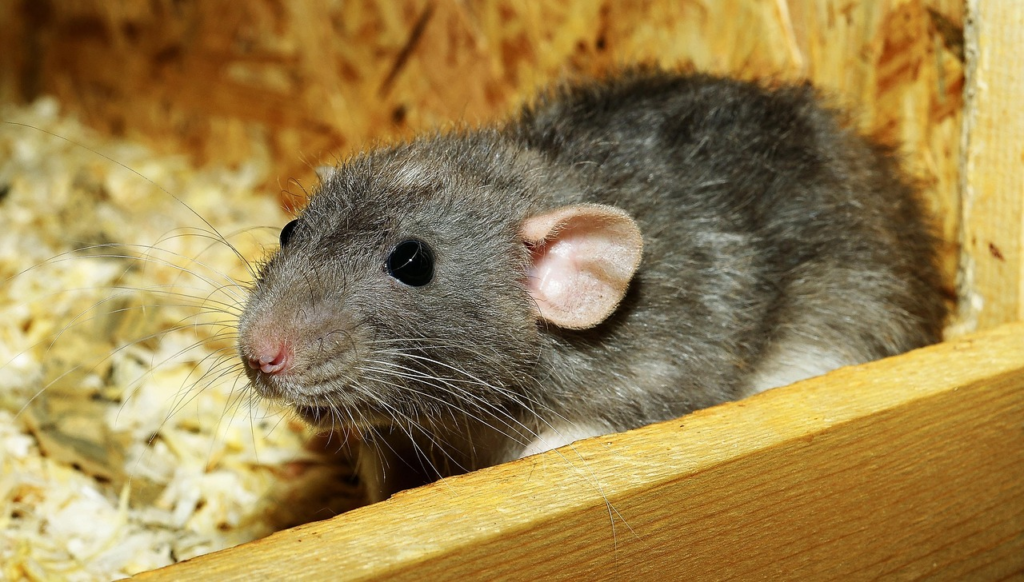
Why Rodents Seek Shelter Indoors in Cold Weather
Rodents are highly adaptive creatures that respond quickly to environmental changes. In Reno, where nights can drop below freezing, even small temperature fluctuations push these pests to find warmth wherever possible. Their instinct for survival drives them to search for enclosed, insulated areas that offer protection from the elements.
Several factors explain why rodents move indoors as temperatures fall:
- Loss of outdoor food sources. Seeds, fruits, and vegetation become scarce in late fall, forcing rodents to look for alternate supplies.
- Declining temperatures. Small mammals have limited ability to regulate body heat, so they seek insulated spaces like attics or crawl spaces.
- Access to shelter. Cracks, vents, and utility openings provide easy pathways into homes and buildings.
- Breeding protection. Indoor environments provide safety from predators and allow rodents to reproduce without disruption.
These survival behaviors make residential properties particularly attractive during the colder months. Once inside, rodents build nests from materials like paper, insulation, and fabric, often settling near food or heat sources.
Common Entry Points and Hiding Areas
Rodents do not need large openings to enter a property. A mouse can fit through a gap the size of a dime, while rats can squeeze through holes as small as a quarter. Because of this, even well-sealed homes may still contain unnoticed vulnerabilities.
Common access points include:
- Foundation cracks and utility lines where wires, pipes, or cables enter the building.
- Roof intersections and vents that provide warm entry paths into attics.
- Gaps beneath doors and garage seals that rodents can easily gnaw wider.
- Drain openings and utility closets offering concealed travel routes.
Once inside, rodents prefer secluded, low-traffic areas where they can remain undisturbed. They often nest in basements, attics, behind appliances, and inside wall cavities. These locations give them access to food and moisture while keeping them hidden from sight.
Early detection is crucial. Identifying droppings, gnaw marks, or scratching noises can help confirm activity before an infestation expands. For a detailed breakdown of early warning indicators, review this guide on indoor rodent signs.
Risks Associated With Indoor Rodent Infestations
While rodents may seem like minor nuisances, their presence poses serious health and safety risks. They contaminate food, chew wiring, and damage insulation, all while reproducing rapidly. A small group can become a colony within weeks if left untreated.
Key risks include:
- Health hazards. Rodents spread diseases such as hantavirus and salmonella through droppings, urine, and saliva.
- Allergens. Their nesting materials and waste can trigger respiratory irritation and allergic reactions.
- Structural damage. Constant gnawing can weaken wood framing, drywall, and furniture.
- Electrical fires. Damaged wires from rodent chewing are a leading cause of preventable home fires.
- Secondary pest infestations. Fleas and mites that live on rodents can migrate throughout the home.
Because rodents reproduce year-round when indoors, a single pair can multiply into dozens within a few months. This rapid growth makes early and professional intervention critical to prevent costly structural and sanitation problems.
Why Professional Rodent Control Is More Effective
Homeowners often attempt to manage infestations using traps or over-the-counter repellents. While these methods may temporarily reduce visible activity, they rarely eliminate entire colonies. Rodents are intelligent, adaptable, and capable of detecting and avoiding common household traps.
Professional rodent control offers a more comprehensive solution that addresses both current infestations and future prevention. Experts combine inspection, exclusion, and targeted treatments to ensure long-term results. Their approach typically includes:
- Detailed inspections to identify nesting sites, entry points, and structural vulnerabilities.
- Exclusion and sealing of cracks, vents, and utility openings to prevent reentry.
- Targeted baiting and trapping using placement strategies that maximize effectiveness while minimizing risk to humans and pets.
- Sanitation guidance to remove food sources and reduce nesting opportunities.
- Follow-up monitoring to confirm complete elimination and long-term protection.
Professionals also have access to specialized tools and safe, regulated products unavailable to the general public. Their experience ensures that treatment is thorough and tailored to the property’s unique environment.
In addition to addressing rodents, a comprehensive pest management plan helps control other seasonal pests drawn indoors during cooler months. For example, sealing gaps and maintaining clean surroundings also helps deter insects. Learn more about this preventive approach through this article on avoiding infestations in the fall.
Long-Term Prevention and Seasonal Maintenance
Once rodents have been removed, prevention becomes the key to ensuring they do not return. Routine maintenance, combined with professional inspection, provides year-round protection from future invasions.
To maintain a rodent-free home:
- Inspect and seal openings. Regularly check exterior walls, vents, and doors for new gaps.
- Maintain clean storage areas. Store food and pet supplies in airtight containers.
- Reduce outdoor attractants. Trim vegetation near walls and keep firewood elevated.
- Clear debris and clutter. Rodents thrive in undisturbed environments with plenty of nesting materials.
- Schedule periodic inspections. Professionals can identify early signs before infestations start.
Consistency is essential. Seasonal inspections each fall can detect vulnerabilities early, ensuring your property remains secure before rodents begin seeking shelter.
Protect Your Home Before Winter Arrives
When temperatures drop, rodents instinctively look for warmth, and your home becomes the perfect target. Taking proactive measures now prevents infestations that could cause costly damage later. With expert guidance, rodent control can be handled efficiently and safely, protecting your property year-round.For detailed inspection and professional rodent control solutions, contact Peak Pest Control today and ensure your Reno home stays pest-free through every season.