Spring in Northern Nevada brings warmer temperatures, longer daylight hours, and renewed pest activity. One of the most common seasonal issues homeowners notice is the sudden appearance of ant trails across kitchen counters, baseboards, and patios. What starts as a thin line of foragers can quickly become a persistent indoor problem.
From a professional perspective, ant infestations are rarely isolated incidents. Visible trails represent only a fraction of a larger colony operating behind walls, beneath slabs, or in surrounding soil. Effective professional ant control addresses the source of the infestation, not just the surface activity.
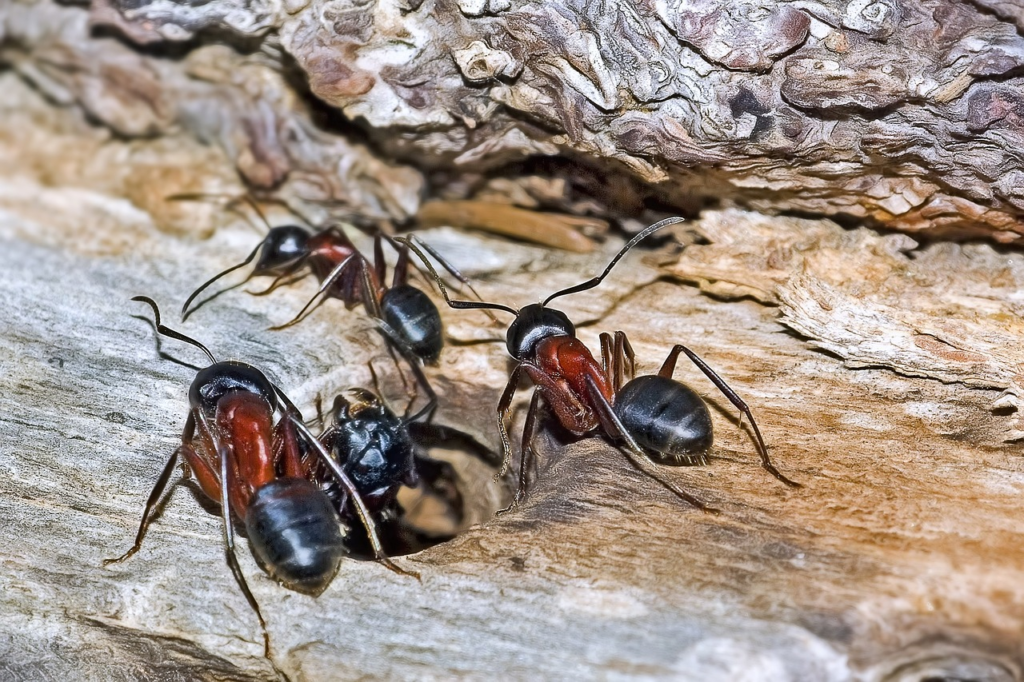
Why Ant Activity Increases in Spring
As temperatures rise, ant colonies become more active in search of food and water. Winter survival patterns shift toward expansion and reproduction, increasing the likelihood that foraging ants enter homes.
Several spring-specific factors contribute to this surge:
- melting snow and rain that drive ants to drier indoor environments
- increased moisture around foundations and landscaping
- blooming vegetation that supports outdoor nesting sites
- small structural gaps that allow entry near doors and windows
Ants follow pheromone trails, meaning once a food source is located, other colony members quickly join the path. Cleaning visible ants does not remove the chemical trail left behind. Without targeted treatment, activity often resumes within days.
Professional ant control strategies focus on identifying entry points, colony location, and nesting patterns unique to the region.
What Ant Trails Reveal About the Colony
An ant trail is more than a nuisance. It is a communication highway connecting a food source to a nest. Observing where ants emerge and where they travel provides valuable clues about colony placement.
Common nesting areas include:
- soil along foundations
- beneath concrete slabs
- inside wall voids
- under landscaping features such as rocks and mulch
- near irrigation systems or moist wood
Different species require different approaches. Some ants establish multiple satellite colonies, making elimination more complex. Others expand aggressively once indoor food access is established.
When homeowners rely on surface sprays, they may eliminate visible workers while leaving the reproductive core intact. This can result in colony splitting, where portions of the colony relocate and intensify infestation.
Long-term resolution depends on understanding species behavior and targeting the entire colony network.
The Limits of One-Time Treatments
It is tempting to treat visible trails and assume the problem is resolved. However, ants are persistent and adaptive. A single application rarely addresses the full scope of the infestation.
Recurring activity often occurs because:
- hidden nests remain undisturbed
- food sources are temporarily disrupted but not eliminated
- moisture conditions continue to attract ants
- neighboring colonies expand into vacated areas
This pattern is discussed further in this explanation of recurring pest problems, which outlines why one-time treatments frequently fall short.
Professional ant control programs typically involve inspection, species identification, strategic bait placement, and follow-up monitoring. This systematic approach reduces the likelihood of reinfestation and supports longer-lasting results.
In addition to ants, homes in the Reno area may encounter spiders, cockroaches, wasps, rodents, and bed bugs. Integrated pest management ensures that conditions favorable to one pest do not inadvertently encourage others.
Seasonal Patterns Homeowners Overlook
Ant activity is not confined to spring. Colonies adjust behavior throughout the year, and seasonal transitions influence nesting depth and foraging routes.
For example:
- cooler fall temperatures may drive ants deeper into wall voids
- drought conditions increase indoor water-seeking behavior
- irrigation leaks can sustain colonies year-round
- food storage habits influence indoor foraging patterns
Understanding these patterns helps prevent surprise infestations during seasonal shifts. As explored in this discussion of seasonal ant behavior, what appears to be a temporary lull may simply be a change in activity location.
Professional service providers monitor these patterns and adjust treatment timing accordingly. Rather than reacting to visible trails alone, they evaluate environmental factors that contribute to recurring issues.
Why Professional Ant Control Delivers Better Results
Effective ant management requires precision. Professionals approach infestations through inspection, identification, and targeted application rather than broad surface treatment.
A comprehensive strategy may include:
- locating primary and satellite nests
- applying species-specific bait formulations
- sealing structural entry points
- addressing moisture and sanitation factors
- scheduling follow-up evaluations
This approach minimizes disruption while maximizing impact on the colony itself.
Professional ant control also reduces the likelihood of secondary pest concerns. When ant populations decline, conditions that attract spiders and other predators often change as well. Maintaining balance within the home environment supports overall pest stability.
While homeowners may attempt short-term measures, long-term suppression relies on accurate diagnosis and methodical treatment. Ant biology is complex, and colony structures are resilient. Precision and consistency are key to sustained control.
Spring ant trails are often the first visible sign that a colony has established itself nearby. Addressing the issue early prevents population growth and reduces the risk of expansion into additional areas of the home.
Stop the Trail at Its Source
If ant trails are appearing in your home this spring, a thorough inspection can reveal the underlying cause and prevent recurring activity. Professional evaluation ensures that treatment targets the colony rather than just the visible workers.For expert assistance and reliable professional ant control, contact Peak Pest Control to discuss a tailored solution for your property.