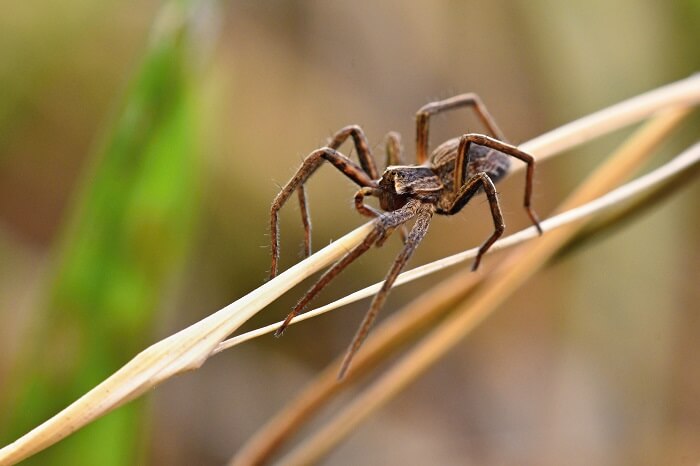
As winter fades and temperatures begin to rise, many pests re-emerge with increased activity. Among them, spiders become more noticeable in and around homes. While they are present year-round, spring often brings a visible surge that can catch property owners off guard.
This increase is not random. Spider behavior is closely tied to environmental changes, prey availability, and structural conditions. Understanding why spiders become more active during this season helps explain how infestations develop and why spider control becomes more important as conditions shift.

How Seasonal Changes Influence Spider Activity
Spring creates a favorable environment for spiders by introducing warmth, moisture, and increased insect activity. These factors combine to support their movement and reproduction.
- Rising temperatures encourage spiders to leave sheltered areas where they remained during colder months
- Increased humidity creates conditions that support both spiders and the insects they rely on for food
- Longer daylight hours influence insect activity, indirectly increasing spider presence
- Seasonal transitions open up new pathways for spiders to explore both indoor and outdoor spaces
These environmental shifts create a chain reaction. As insect populations grow, spiders follow, leading to increased visibility in areas where activity was previously minimal.
Why Spiders Follow Other Pests Indoors
Spiders are not typically drawn to homes on their own. Instead, they are attracted by the presence of other pests that serve as their primary food source.
- Insects such as ants, flies, and beetles provide consistent feeding opportunities
- Areas with high insect activity become natural gathering points for spiders
- Indoor spaces offer stable conditions where prey is more easily accessible
- Exterior lighting can attract insects, which in turn draw spiders closer to entry points
This relationship means that spider activity often reflects a broader pest presence. Managing spider populations effectively requires understanding this connection rather than focusing on spiders alone.
Moisture also plays a significant role in this dynamic. Small structural gaps and damp areas can attract insects, which then support spider activity. This connection is explored further in this guide on moisture-attracting pests, where environmental factors influence pest movement.
Common Areas Where Spiders Become Active
Spiders tend to establish themselves in locations that provide shelter, access to prey, and minimal disturbance. These areas often remain unnoticed until activity becomes more visible.
- Corners of ceilings, basements, and garages where webs can be built undisturbed
- Around windows and doors where insects enter or gather
- Storage areas such as attics or closets with limited movement
- Outdoor spaces including eaves, patios, and landscaping features
Because these locations are not always part of daily routines, spider activity can develop gradually. By the time webs and sightings increase, the environment has already become suitable for sustained presence.
Understanding where spiders are most active helps identify patterns that contribute to ongoing issues.
Why Spring Conditions Support Rapid Population Growth
Spring is not only a time of increased movement but also a period of growth for spider populations. Reproduction and development accelerate as environmental conditions improve.
- Warmer temperatures support faster development of eggs and juveniles
- Increased food supply allows spiders to grow and reproduce more efficiently
- Reduced environmental stress compared to winter improves survival rates
- Outdoor expansion creates new areas for webs and nesting
These factors contribute to a noticeable rise in spider activity over a relatively short period. What begins as occasional sightings can quickly develop into a more consistent presence if conditions remain favorable.
In addition, changes in landscaping and outdoor maintenance during spring can influence how spiders interact with a property. Managing these conditions often involves broader pest considerations, as highlighted in this resource on eco pest control methods.
Why Professional Spider Control Is Important in Spring
Spider activity is often a symptom of underlying conditions rather than an isolated issue. Effective spider control involves addressing both the spiders themselves and the factors that attract them.
Professionals approach spider control by evaluating the entire environment. This includes identifying areas of insect activity, locating entry points, and assessing moisture conditions that support pest presence. By addressing these elements together, it becomes possible to reduce spider activity more effectively.
In addition, professional methods focus on long-term prevention. Rather than reacting to visible webs or sightings, the goal is to create conditions that are less favorable for spiders and their prey.
Because spiders adapt quickly to changes in their environment, a structured approach ensures that control efforts remain consistent and effective over time.
When Increased Activity Signals a Larger Pattern
A rise in spider activity during spring often reflects broader environmental changes. Recognizing these patterns helps explain why activity increases and how it can be managed more effectively.
Regain Comfort In Your Space
When spiders begin to appear more frequently, a focused approach can help restore balance. Contact Peak Pest Control for spider control solutions designed to reduce activity and support long-term protection.