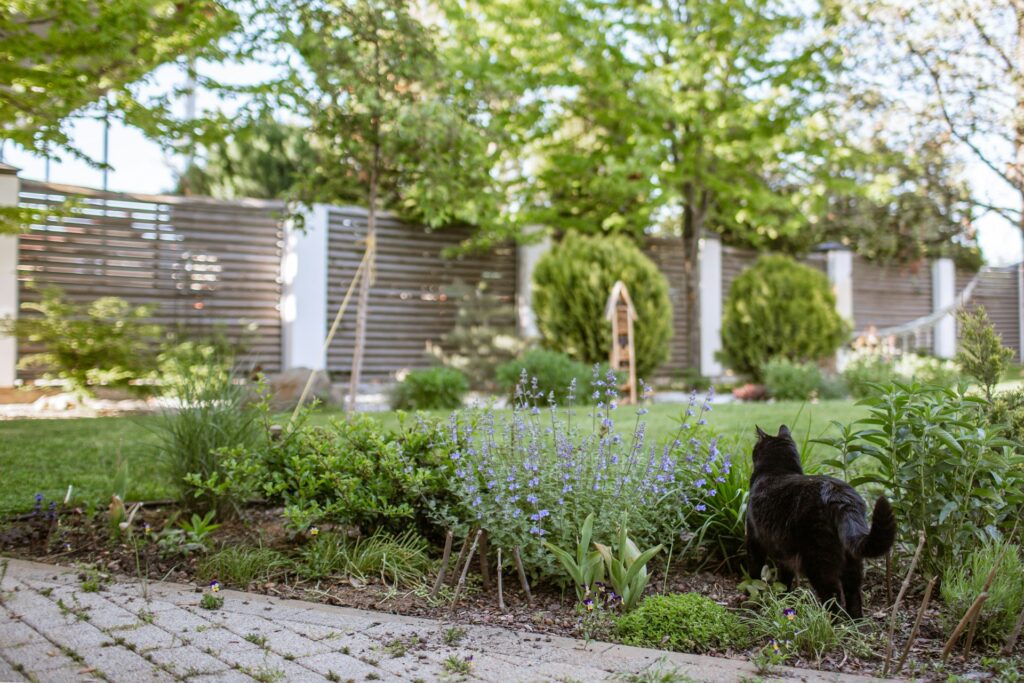
Summer irrigation keeps lawns, shrubs, trees, and garden beds alive through hot, dry weather, but it can also change the pest pressure around a property. Water softens soil, cools shaded areas, feeds plant growth, and creates damp pockets where insects, rodents, spiders, wasps, hornets, mosquitoes, and weeds can become more active.
This does not mean irrigation is the problem. Healthy landscapes need water, especially in dry Northern Nevada conditions. The concern is how water is used, where it collects, and what it supports around the home. When irrigation runs too often, sprays against the structure, or leaves damp mulch near entry points, pests gain shelter, moisture, and food sources. That is why summer pest control should consider both the structure and the surrounding landscape.

Moisture changes pest behavior around the home
Pests follow resources. During summer, steady irrigation can create small comfort zones that stand out from the surrounding heat. Ants may trail near damp soil or planting beds. Spiders may settle where insects gather. Rodents can use thick vegetation, weeds, and watered edges as protected travel routes. Wasps and hornets may become more active around outdoor living spaces where insects, water, and shelter overlap.
A local approach matters because Reno-area heat, wind, soil conditions, and watering patterns influence pest movement differently from other regions. This is one reason homeowners often benefit from local pest support when summer activity becomes persistent.
- Moisture: Damp soil, overwatered beds, and leaking irrigation lines can attract insects and support pest movement.
- Shelter: Thick shrubs, tall weeds, and dense ground cover give pests cooler places to hide.
- Food: Watered landscapes can increase insect activity, which may draw spiders, wasps, and hornets closer.
- Access: Wet areas near foundations can guide ants, insects, and rodents toward structural openings.
Irrigation can create mosquito and insect pressure
Mosquitoes need standing water, and summer irrigation can unintentionally create it. Water may collect in low spots, plant saucers, buckets, drains, tarps, toys, clogged gutters, or uneven hardscape. Even small amounts can become a problem when warm temperatures speed activity. While irrigation systems are meant to distribute water, overspray and runoff can leave hidden pockets that stay wet long after watering stops.
General insect activity can also rise around damp lawns and shaded beds. Insects may gather near lights, patio doors, garages, and outdoor seating areas, especially when moisture and plant growth are nearby. As insects increase, spiders may follow. Wasps and hornets may also hunt insects around watered areas, making patios and walkways feel less comfortable.
- Runoff: Water flowing across patios, driveways, or low soil can leave small pools where mosquitoes may develop.
- Overspray: Sprinklers hitting walls, fences, doors, and windows can create damp surfaces near entry points.
- Debris: Wet leaves, grass clippings, and organic buildup can shelter insects.
- Lighting: Exterior lights near damp areas may attract insects and the spiders that feed on them.
Weeds, growth, and hidden spaces increase pest cover
Water helps desirable plants, but it also helps weeds. Overgrown weeds along fences, foundations, rock beds, and unused corners can give pests cover. Rodents may move through these areas with less exposure. Insects can hide beneath thick growth. Spiders can build webs where insect traffic is steady. Ants may use protected soil edges for trails.
Summer yard growth can hide problems until they become obvious. Irrigation boxes, valve areas, sheds, planters, and garage edges deserve attention because they can combine moisture, shade, and low disturbance. A structured inspection helps reveal these conditions before pests shift indoors. This guide to insect hiding spots explains why checking tucked-away areas is an important part of prevention.
- Weeds: Uncontrolled growth can give rodents, insects, and spiders protected pathways.
- Mulch: Damp mulch placed close to the structure can hold moisture against foundation areas.
- Storage: Pots, hoses, tools, and outdoor items can trap moisture underneath.
- Edges: Fence lines, garage corners, and utility areas often hide early pest activity.
Balanced watering supports better long-term prevention
Good irrigation and effective pest control work together when the property is managed as one system. The goal is not to stop watering. It is to water in a way that supports plants without creating steady shelter for pests. Irrigation should reach the landscape, not the siding, doors, or garage. Soil should dry between watering cycles when appropriate. Low spots, broken heads, clogged drains, and leaking lines should be noticed before they become long-term moisture sources.
Professional pest inspections add another layer because trained technicians can connect pest sightings to exterior conditions. Ant trails, spider activity, wasp pressure, rodent signs, mosquito concerns, insect movement, and weed growth often point back to patterns in water, shade, storage, and access.
For homeowners, the practical lesson is simple: summer irrigation should be purposeful, not excessive. When water is directed carefully and pest activity is monitored early, the home is better protected from recurring pressure.
Protect Your Home Beyond the Watering Schedule
Summer irrigation should keep your landscape healthy without creating conditions that attract pests. For professional support with yard, home, and ongoing pest concerns, contact Peak Pest Control.