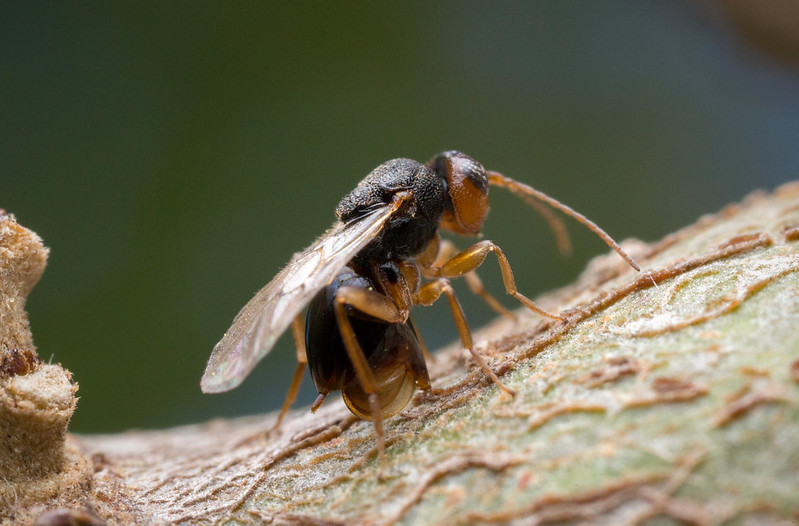
Summer changes the way wasps behave around homes. Warmer temperatures support nest-building and steady movement around patios, rooflines, gardens, trash areas, fences, and sheds. A few wasps flying near the yard may not seem serious at first, but repeated activity often means the property is offering food, water, shelter, or a protected nesting location.
For Reno and Sparks homes, pest pressure can involve more than wasps. Spiders, ants, hornets and wasps, rats, mice, mosquitoes, cockroaches, bed bugs, and weeds can all become more noticeable as outdoor conditions shift. Effective wasp control starts by understanding what is attracting the insects, then evaluating whether the activity is simple foraging or connected to an active nest.
Warm Weather Supports Nest Growth
Wasps become more active as temperatures rise because their colonies need food, shelter, and material to expand. Early in the season, queens look for protected nesting sites. As the colony grows, workers travel to nearby food sources.
- Eaves, soffits, porch ceilings, and roof edges can shield nests from weather.
- Fences, sheds, deck undersides, and wall gaps may provide quiet nesting areas.
- Shrubs, trees, and thick landscaping can hide activity from easy view.
- Garages and storage spaces may attract wasps when doors are left open often.
Small nests can become larger summer concerns when they are close to doors, walkways, or outdoor seating. Professional inspection helps determine whether the activity is isolated or part of a growing colony.
Outdoor Food Sources Draw Them Closer
Wasps are attracted to different foods throughout the season. Early summer activity often involves hunting insects to feed larvae. Later, wasps may become more interested in sugars, ripe fruit, spilled drinks, trash, and food residue. This is why patios and outdoor dining areas can suddenly become uncomfortable.
Barbecues, uncovered trash, compost, fallen fruit, pet food, and sticky beverage spills can all bring wasps closer to people. If other insects are active around the yard, wasps may also gather because they are hunting. Spiders, ants, mosquitoes, cockroaches, and other pests can indicate a broader outdoor food chain.
This is where year-round pest care becomes useful. Seasonal wasp activity often starts before the nest or pattern is obvious. Regular monitoring helps identify changing pressure before pests become harder to manage.
Water, Shade, And Landscaping Matter
Wasps need water, especially during hot summer weather. In dry climates, predictable moisture can make one property more attractive than another. They may visit irrigation zones, birdbaths, pool edges, pet bowls, fountains, damp soil, and shaded areas where insects are active.
- Irrigation overspray can create damp areas that support insect activity.
- Dense shrubs can provide shade, cover, and hidden flight paths.
- Pool areas, fountains, and birdbaths can draw wasps during hot afternoons.
- Overgrown weeds may create shelter for insects that wasps hunt.
Landscaping can make a property feel cooler and more comfortable, but it can also create protected pest spaces when it is dense, wet, or unmanaged. A professional evaluation can help separate normal movement from conditions that support repeated wasp activity.
Seasonal Pest Changes Affect Wasp Movement
Summer wasp patterns are connected to the wider seasonal environment. Heat, dry spells, irrigation, plant growth, and insect activity can all change where pests gather. As conditions shift, wasps may move closer to homes looking for food, water, and shade.
A useful discussion of seasonal insect activity explains why different pests become more visible at different times of the year. In summer, wasps may be more noticeable near outdoor kitchens, patios, garden edges, and entry points because those areas combine food opportunities with sheltered movement.
This matters because wasps are not only inconvenient. Nests near high-use areas can become defensive when disturbed by household activity. People walking past, children playing, pets sniffing around, or doors opening and closing can all increase the chance of a sting encounter.
Hidden Nests Require Careful Attention
The most concerning wasp activity is often the kind that repeats in the same area. A few insects passing through the yard may be foraging, but steady traffic near a gap, shrub, roofline, or fence post may indicate a nest. Hidden nests can be difficult to evaluate safely because the opening may be visible while the full nest is not.
- Watch for wasps entering and exiting the same small opening repeatedly.
- Notice activity near soffits, vents, sheds, deck undersides, or dense plants.
- Treat buzzing sounds near walls or covered areas as a sign for inspection.
- Avoid disturbing nests near doors, patios, play areas, or pet zones.
Professional wasp control is important because nest location, height, species behavior, and activity affect the safest response. A targeted plan can also consider related pest issues such as spiders, ants, rodents, mosquitoes, cockroaches, bed bugs, hornets, and weed-related shelter. When the source is handled properly, outdoor spaces become safer and more usable through the summer.
Keep Summer Gatherings More Comfortable
For careful wasp control, nest evaluation, targeted treatments, and prevention support that helps protect patios, rooflines, gardens, and outdoor gathering areas from repeated summer activity, contact Peak Pest Control for professional pest service tailored to Reno and Sparks homes.