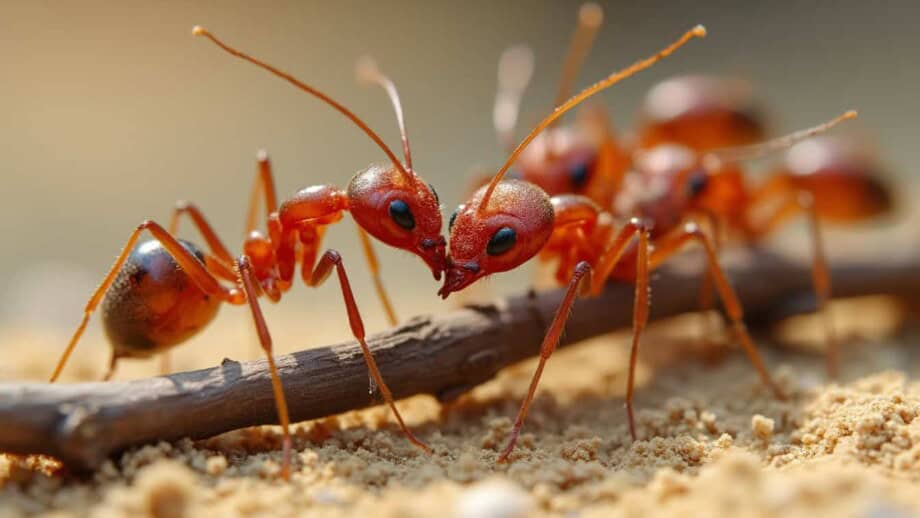
Ant activity in Reno can quickly shift from a minor nuisance to a persistent problem. The region’s climate, combined with seasonal moisture and temperature changes, creates conditions where ants actively search for food, water, and shelter. While store-bought baits are often the first solution homeowners try, they rarely address the full scope of the issue.
Effective ant control requires a broader strategy. Baits can play a role, but they are only one piece of a larger system that includes inspection, targeted treatment, and long-term prevention. Understanding how these elements work together helps create more consistent and lasting results.
Why Ant Problems Persist Despite Using Baits
Baits are designed to attract ants and carry treatment back to the colony. While this approach can reduce visible activity, it often falls short when used on its own.
Common limitations of baits include:
- Incomplete reach to all colony members, especially in large nests
- Multiple colonies operating independently within the same area
- Changing feeding preferences that reduce bait effectiveness
- Hidden nesting sites that remain unaffected
- Temporary reduction in activity without long-term resolution
Ant colonies can be complex and widespread. In many cases, what appears to be a single trail may represent only a small portion of the overall infestation.
Because of this, relying solely on baits often leads to recurring activity. A more comprehensive approach to ant control is needed to address both visible ants and the underlying colony structure.
Understanding Ant Behavior In Reno Environments
Ant behavior is heavily influenced by environmental conditions. In Reno, seasonal changes affect how and where ants travel, nest, and forage.
Key behavioral patterns include:
- Increased activity during warmer months when food sources are abundant
- Movement indoors during dry conditions in search of moisture
- Expansion of colonies in spring as temperatures rise
- Shifts in foraging patterns based on available resources
- Use of structural gaps and outdoor pathways to access homes
Understanding these patterns is essential for effective ant control. For example, identifying where ants enter the home can help target treatment areas more precisely.
Tracking movement is also important. This overview of tracking ant trails explains how following ant activity provides valuable insight into colony locations and behavior.
By focusing on behavior rather than just visible activity, pest control strategies become more effective and targeted.
Methods That Go Beyond Baits Alone
To achieve reliable results, ant control must include multiple methods that work together to eliminate colonies and prevent new activity.
Effective strategies include:
- Detailed inspection to locate nesting sites and entry points
- Targeted treatments applied directly to affected areas
- Barrier applications that limit access to the home
- Monitoring to track changes in ant activity over time
- Adjustments based on seasonal and environmental conditions
These methods create a layered approach. Instead of relying on a single solution, they address the problem from multiple angles.
Targeted treatments reach areas that baits may not affect, while barrier methods help prevent new ants from entering. Monitoring ensures that the strategy remains effective as conditions change.
This level of precision is difficult to achieve without experience and proper tools, which is why professional involvement often leads to better outcomes.
The Importance Of Prevention In Ant Control
Prevention plays a critical role in reducing the likelihood of recurring ant problems. Once an infestation is addressed, maintaining an environment that is less attractive to ants helps support long-term control.
Key prevention measures include:
- Sealing cracks and gaps that allow entry
- Managing moisture levels around the property
- Keeping food storage areas clean and secure
- Maintaining outdoor areas to reduce nesting opportunities
- Scheduling regular inspections to monitor activity
These steps help limit the conditions that attract ants. However, environmental factors such as weather and surrounding structures can still influence activity.
Understanding how routine maintenance contributes to pest prevention is also valuable. This resource on seasonal pest prevention tasks highlights how ongoing care supports more effective control.
Prevention is not a one-time effort. It requires consistency to ensure that new colonies do not establish themselves.
Why A Comprehensive Approach Delivers Better Results
Ant control is most effective when it combines inspection, treatment, and prevention into a single strategy. Focusing on one method alone often leads to incomplete results.
A comprehensive approach provides:
- More accurate identification of colony locations
- Targeted solutions that address the root of the problem
- Continuous monitoring that adapts to changing conditions
- Reduced the likelihood of recurring infestations
- Greater overall stability in pest control efforts
This approach recognizes that ant infestations are dynamic. They evolve based on environmental changes, available resources, and structural conditions.
By addressing all aspects of the problem, long-term control becomes more achievable. It also reduces the need for repeated treatments that only provide temporary relief.
Professional pest control services are designed to deliver this level of coverage, ensuring that each stage of ant activity is managed effectively.
Take control of ant activity with a smarter approach
If any ant activity in your home continues despite using baits, a more complete strategy may be needed. Connect with Peak Pest Control to explore ant control solutions designed for lasting results.