Property value is shaped by more than square footage and finishes. Structure, yard condition, landscaping, and exterior maintenance also affect how a home is viewed over time. Seasonal pest issues can quietly influence all of those areas, especially when ants, spiders, hornets, wasps, rats, mice, other insects, and weed pressure are allowed to build around a property.
Pest control supports property value by reducing avoidable damage, preventing repeated infestations, and helping homeowners respond before problems become visible to guests, tenants, buyers, or inspectors. In Reno and Sparks, seasonal weather changes can shift pest behavior quickly. Dry heat, irrigation, cold snaps, wind, and changing landscape conditions all affect where pests travel, nest, feed, and enter. A seasonal plan gives the property consistent protection instead of waiting for pests to become a larger concern.
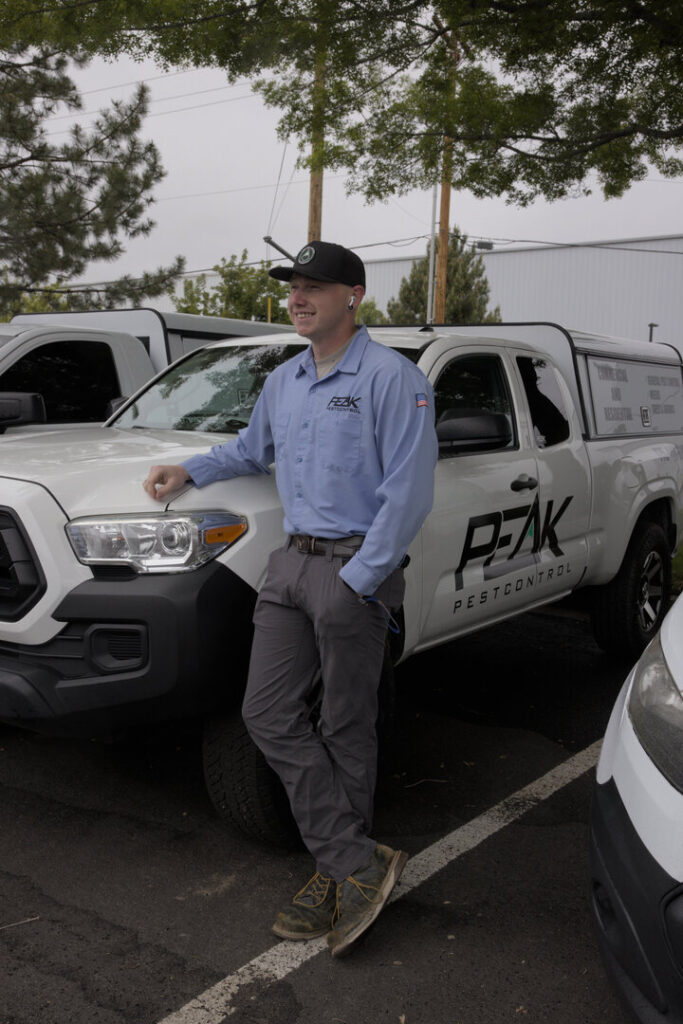
Seasonal Service Finds Small Issues Early
The clearest benefit of seasonal service is early detection. A few ants along a foundation, a spider-heavy garage, or a rodent sign near storage may seem minor, but these small clues can reveal larger conditions. Regular inspections help identify activity while it is still easier to address.
- Ant trails can point to moisture, food, or exterior colony pressure.
- Spider activity may reveal insect buildup around lights, sheds, or garages.
- Rodent signs can show entry points before damage spreads indoors.
- Wasp or hornet activity may develop near eaves, fences, or outdoor spaces.
Early service helps protect both appearance and function. Buyers and property owners notice clean, well-maintained spaces. Repeated pest sightings, droppings, webs, nests, or entry damage can make a home feel neglected, even when other areas are well cared for.
Irrigation And Landscaping Can Increase Risk
Seasonal pest pressure often connects to yard conditions. Summer irrigation can keep landscaping attractive, but it can also create moisture, shade, and shelter near the home. Damp soil, overwatered beds, thick vegetation, and pooling around hardscape edges may invite ants, insects, spiders, and rodents closer to the structure.
Understanding how summer irrigation affects pest pressure can help homeowners see why seasonal inspection matters. A beautiful yard can still create pest-friendly conditions if water, plant growth, and exterior hiding places are not reviewed together.
Professional evaluation helps connect landscape conditions with structural risk. That is especially valuable when irrigation, weed pressure, storage, fences, or foundation edges are close to entry points. Instead of reacting to pests indoors, seasonal service reviews the conditions that may be drawing them toward the home.
Property Value Depends On Clean, Usable Spaces
A property feels more valuable when indoor and outdoor areas are comfortable, usable, and well-maintained. Pest activity can weaken that impression. Ants in kitchens, spider webs around garages, rodents in storage areas, or wasps near patios can reduce confidence in the home’s condition.
- Garages should remain clean, accessible, and free from rodent evidence.
- Patios and entryways should be comfortable without wasp or hornet concerns.
- Kitchens and bathrooms should not show ant trails or insect activity.
- Exterior walls should not collect webs, nests, or signs of recurring pressure.
Seasonal service helps maintain these spaces before problems become visible. It also supports home readiness for guests, tenants, inspections, or future resale. A protected home often requires fewer emergency responses and appearance-related corrections.
Local Conditions Require Local Planning
Pest patterns are not the same everywhere. Reno and Sparks homes experience seasonal temperature shifts, dry periods, irrigation use, and landscape conditions that influence pest movement. Rodents may seek shelter when temperatures drop. Ants and insects may increase during warmer months. Spiders may follow prey activity around lights and protected corners. Wasps and hornets may become more active around outdoor living areas.
A local pest control plan matters because timing and treatment should reflect regional pressure, not a generic schedule. Local knowledge helps determine whether the concern is seasonal, structural, landscape-related, or recurring.
This matters for property value because prevention is often less disruptive than repair. When technicians understand local conditions, they can recommend service timing that protects the home before seasonal pest pressure becomes costly or obvious.
Long-Term Protection Reduces Bigger Costs
Seasonal pest control is valuable because it supports long-term property care. Rodents can damage materials, stored items, and insulation. Wasps and hornets can limit outdoor use. Ants and other insects can become persistent when moisture and food are available. Spiders can make entries, garages, and storage spaces feel poorly maintained. Weed pressure can also affect curb appeal and create unmanaged edges around the property.
- Schedule seasonal inspections before pest activity reaches high-use areas.
- Review foundation edges, garages, sheds, patios, and outdoor storage.
- Watch irrigation zones, weeds, and shaded areas near walls.
- Use professional follow-up when the same pest pressure returns each season.
The best value protection comes from consistency. A one-time response may solve an isolated issue, but seasonal service helps track patterns and prevent small concerns from becoming repeat problems. That steady oversight protects comfort, appearance, structure, and long-term confidence in the property.
Protect Value Before Problems Grow
For pest control that supports property value through seasonal inspection, local planning, and prevention-focused service, contact Peak Pest Control for professional support tailored to Reno and Sparks homes.