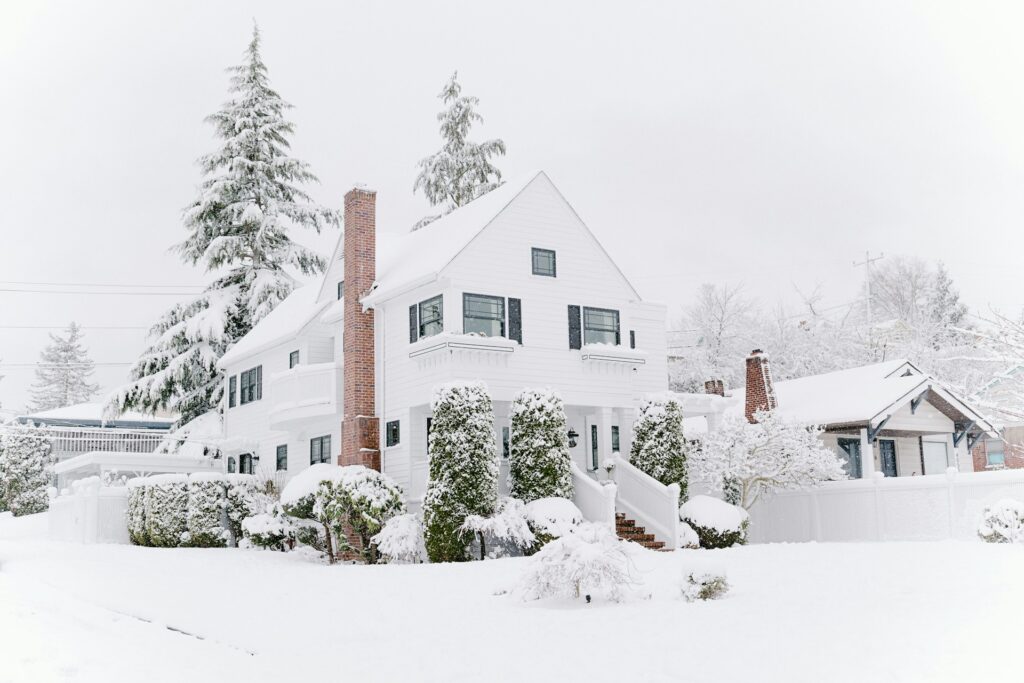
As temperatures drop, pest behavior shifts in predictable ways. Cold weather reduces outdoor food availability and shelter, pushing many pests to seek warmth and protection indoors. Homes provide stable temperatures, concealed spaces, and multiple access points that often go unnoticed until activity increases. Preventing winter infestations begins with understanding how pests enter structures and why sealing those entry points is critical before cold conditions intensify.
Winter pests do not appear randomly. Their movement follows structural vulnerabilities, seasonal pressure, and environmental changes. Effective prevention focuses on blocking access routes rather than reacting after pests are already established inside. Professional assessment plays a key role in identifying entry points that are easy to miss but highly attractive during winter.
Why winter increases pest entry attempts
Winter creates survival pressure for pests that rely on sheltered environments to endure prolonged cold. As soil hardens and vegetation thins, pests begin exploring structures more aggressively in search of warmth and nesting sites.
- Foundation gaps expand as building materials contract in cold weather
- Utility penetrations release heat and provide concealed access
- Rooflines and vents offer elevated, undisturbed entry routes
- Garages act as transitional shelter between outdoor and indoor spaces
These access points are often small and difficult to detect without experience. Once pests locate a reliable opening, activity can increase rapidly. Sealing entry points early interrupts seasonal migration patterns and significantly reduces the likelihood of indoor nesting.
Common entry points winter pests exploit
Winter pests take advantage of structural transitions where materials meet and shift. These areas naturally open and close throughout the year, creating gaps that may not be visible from inside the home.
- Cracks along foundation edges and siding seams
- Gaps around plumbing and electrical line penetrations
- Unsealed attic vents and roof penetrations
- Worn door sweeps and window framing
These openings allow pests to move directly into wall voids, attics, and crawl spaces without exposure. Once inside, pests can travel throughout the structure using hidden pathways. Understanding these access routes highlights why sealing requires precision rather than surface-level coverage.
Why sealing requires more than a single treatment
Effective exclusion is not a one-time action. Homes change seasonally, and new vulnerabilities develop as materials age or environmental conditions shift. This is why sealing efforts must be comprehensive and periodically reassessed.
- Temporary materials degrade under temperature fluctuation
- Overlooked access points allow pests to re-enter
- Structural movement reopens previously sealed gaps
- Pest pressure intensifies with each winter cycle
This explains why recurring infestations often persist despite previous efforts. Understanding recurring pest problems helps clarify why lasting results depend on exclusion strategies that adapt to structural and seasonal changes rather than isolated treatments.
Winter pests attracted by indoor warmth
Different winter pests respond to cold conditions in distinct ways, but all are drawn to indoor warmth and shelter. Rodents, spiders, and overwintering insects are among the most common intruders during colder months.
- Rodents seek insulation and protected nesting areas
- Spiders move indoors following prey insects
- Overwintering insects settle inside wall voids and attics
- Crawling pests exploit low-level foundation gaps
Some pests pose risks that are not immediately obvious. Learning more about cold climate spiders helps explain why winter activity should not be dismissed as harmless. Indoor conditions allow pests to remain active longer, increasing the chance of infestation growth.
Why professional sealing offers stronger winter protection
Professional sealing focuses on identifying and addressing the full range of access points rather than only visible gaps. Specialists evaluate building structure, material behavior, and pest movement patterns before selecting sealing methods.
- Entry points identified through systematic inspection
- Durable materials selected for pest resistance and longevity
- Sealing coordinated with seasonal pest behavior
- Vulnerable areas reinforced to withstand winter conditions
This approach reduces the likelihood of pests adapting or finding alternate access routes. Instead of relying on short-term fixes, professional sealing emphasizes durability, coverage, and prevention. Homes benefit from fewer infestations and reduced need for reactive pest treatments throughout winter.
Professional evaluation also accounts for regional pest pressure and climate conditions. Entry points that remain inactive during warmer months may become primary access routes in winter. Addressing these risks early provides stability across the entire cold season.
Keep winter pests from settling in
Preventing winter pest activity requires more than reacting once pests are already visible. Effective exclusion starts with identifying how pests access a structure, why those access points become active during colder months, and which areas are most likely to reopen as materials shift. A thorough sealing strategy helps protect interior spaces, reduce long-term infestation pressure, and support a more stable living environment throughout winter.For reliable winter pest prevention and professional exclusion support tailored to seasonal conditions, contact Peak Pest Control