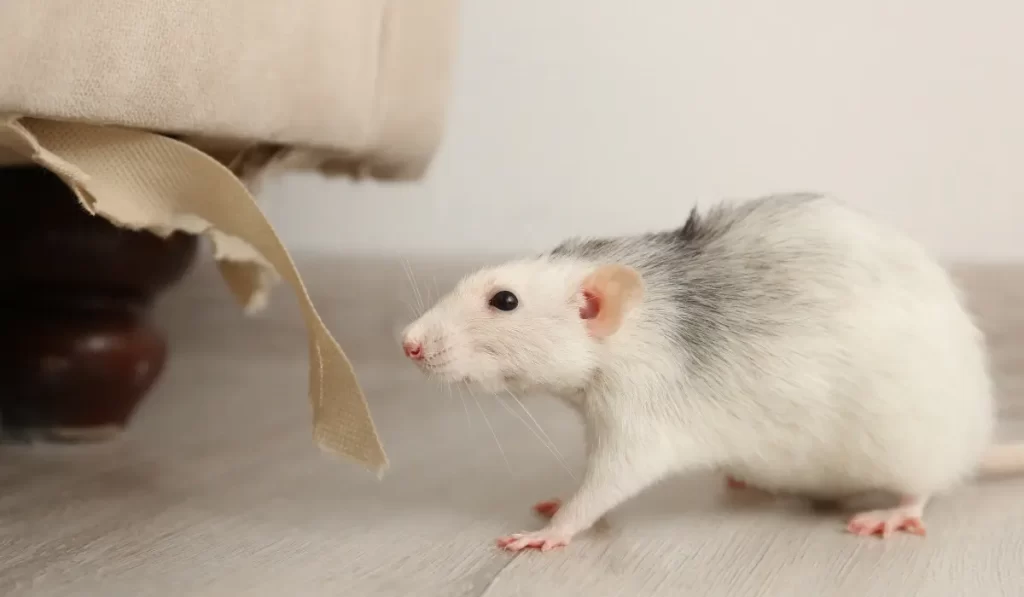
Snow and cold weather dramatically change rodent behavior. As outdoor conditions become harsher, rodents are driven by survival instincts to seek warmth, protection, and stable shelter. Homes and commercial buildings naturally provide these conditions, making winter one of the most active seasons for rodent intrusion. Preparing in advance through effective rodent proofing helps reduce the risk of indoor nesting and long-term infestation before freezing temperatures take hold.
Rodent proofing is not reactive pest control. It is a preventative process focused on exclusion, structural reinforcement, and environmental awareness. When vulnerabilities are addressed early, rodents are far less likely to gain access or remain inside once winter conditions intensify.
Why snow and cold increase rodent pressure
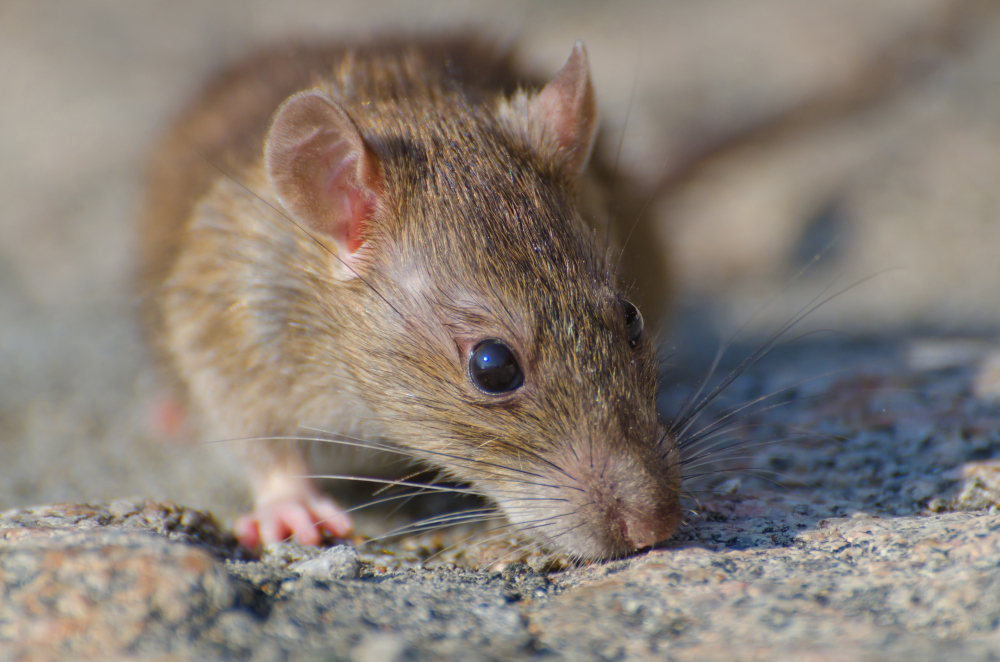
Cold weather places significant stress on rodent populations. Snow limits movement, freezes soil, and reduces available food sources. These pressures push rodents to explore buildings more aggressively, especially those that emit heat or offer concealed access.
- Snow cover allows rodents to travel unseen along foundations
- Freezing temperatures increase demand for insulated nesting areas
- Natural shelter becomes scarce as vegetation dies back
- Warm air loss around structures attracts rodents to entry points
Once rodents locate a structure that offers warmth and protection, activity can escalate quickly. Understanding why rodents move indoors during seasonal temperature drops explains why winter proofing must occur before snow accumulates and access becomes limited.
Common access points rodents exploit in winter
Rodents are highly adaptable and capable of entering structures through openings that appear insignificant to property owners. During winter, building materials naturally contract, soil shifts, and snow alters exterior pressure points. These changes create or widen access routes that rodents actively search for as outdoor shelter disappears.
- Foundation cracks and siding seams
Small fractures along foundations or where siding meets masonry often widen slightly in cold weather. Rodents follow these seams upward, using them as concealed entry paths into wall voids and lower interior levels. - Utility and service penetrations
Plumbing lines, electrical conduits, and HVAC connections frequently leave gaps where they pass through exterior walls. These penetrations release warmth and provide direct access into interior cavities that remain undisturbed. - Rooflines, soffits, and attic vents
Elevated entry points are especially attractive during winter because they offer protection from snow accumulation. Rodents use rooflines, damaged vent covers, and soffit gaps to access attics where insulation provides warmth and nesting material. - Garage doors and access panels
Garages act as transitional shelters between outdoor and indoor environments. Worn door seals, warped panels, and utility access points allow rodents to enter and gradually move deeper into the structure. - Basement windows and crawl space openings
Window wells, vent grates, and crawl space access points are often overlooked during winter preparation. Snow buildup can hide these vulnerabilities while rodents continue to use them beneath the surface.
Once rodents enter through any of these locations, they rarely remain confined to a single area. Interior wall systems, ceiling cavities, and floor voids allow movement throughout the structure without visible signs. This is why effective rodent proofing requires a comprehensive inspection rather than addressing isolated gaps after activity becomes noticeable.
Early identification and reinforcement of these access points significantly reduces the likelihood of rodents establishing winter nesting sites indoors.
Signs rodent proofing is needed before winter
Rodent activity often begins subtly. Waiting for obvious damage or sightings allows populations to establish before intervention occurs. Winter proofing is most effective when action is taken at the earliest indicators.
- Scratching or movement sounds in walls or ceilings
- Droppings near baseboards, storage areas, or utility rooms
- Gnaw marks on wiring, insulation, or structural materials
- Disturbed insulation or nesting debris in attics
Recognizing early rodent activity signs allows proofing measures to be implemented before snow and ice limit exterior repairs. Early action significantly reduces the likelihood of indoor breeding and long-term damage during winter months.
How professional rodent proofing addresses winter risks
Rodent proofing is a structured process that goes beyond closing visible gaps. Professional approaches focus on long-term exclusion by addressing how rodents move, where they nest, and how structures respond to seasonal stress.
- Comprehensive inspection of exterior and interior vulnerabilities
- Identification of both active and potential entry points
- Selection of durable materials designed for cold-weather exposure
- Reinforcement of structural transitions prone to seasonal movement
Professional evaluation accounts for how snow accumulation, moisture, and freezing temperatures affect buildings over time. This ensures proofing methods remain effective throughout winter rather than failing as conditions shift. Addressing vulnerabilities before snowfall also reduces the need for emergency response when access becomes difficult or unsafe.
Why winter rodent proofing requires experience
Cold weather complicates both rodent behavior and property conditions. Snow hides exterior activity, frozen ground restricts repairs, and rodents become more persistent once established indoors. Rodent proofing performed without understanding these dynamics often leaves gaps that rodents exploit repeatedly.
Experienced professionals assess how rodents travel beneath snow cover, how buildings expand and contract in cold temperatures, and which areas are most likely to reopen as conditions fluctuate. This insight allows proofing strategies to remain effective throughout winter and into early spring.
Effective rodent proofing also reduces secondary risks. Rodents that nest indoors can damage insulation, wiring, and structural materials, leading to higher repair costs once winter ends. Preventing access early protects both property integrity and indoor conditions during the coldest months.
Protect your property before winter settles in
Rodent proofing is most effective when completed before snow and freezing temperatures restrict access. For professional inspection and winter exclusion support, contact Peak Pest Control.