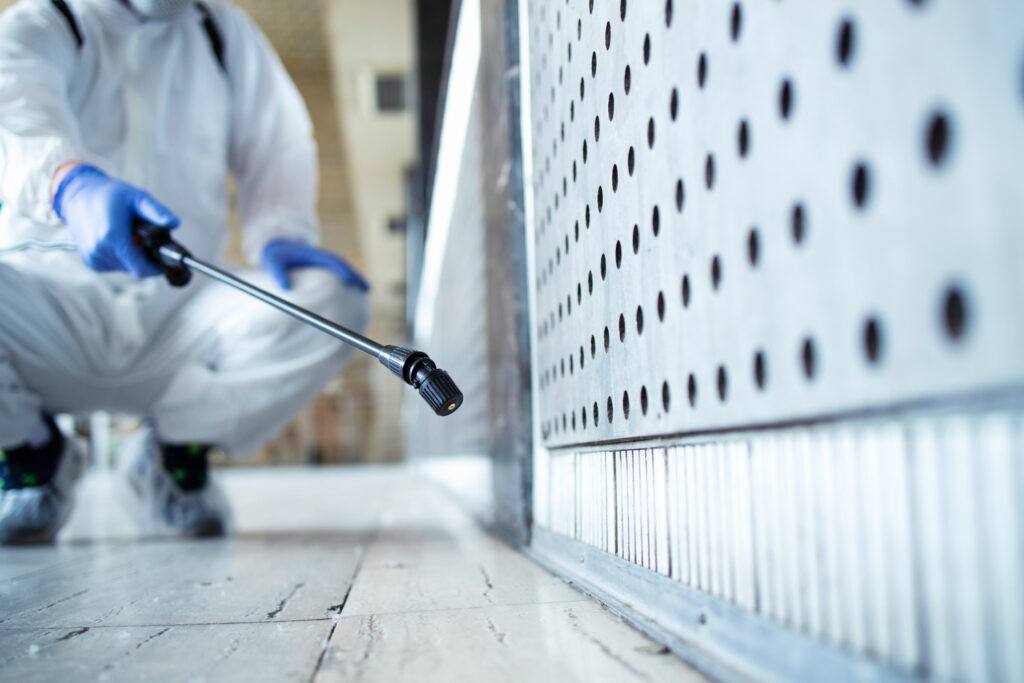
Food service establishments face unique challenges when it comes to pest management. Kitchens, storage areas, and waste zones provide the perfect environment for pests seeking food, moisture, and shelter. Whether it’s rodents, ants, cockroaches, or stored product pests, their presence can jeopardize customer safety, lead to health code violations, and damage reputations.
Implementing safe pest control is not just a matter of hygiene, it’s a regulatory necessity. Restaurants in Nevada must take a proactive, professional approach to keeping pests out without compromising food safety. Here’s how to ensure your pest control strategy supports both public health and your business operations.

Identify and Monitor the Most Common Threats
Understanding which pests are most likely to target your restaurant is the first step in designing an effective control plan. The species most commonly encountered in commercial food environments include:
- Rodents: Mice and rats are drawn to food waste, dry storage, and utility spaces. Their droppings, gnawing, and nesting pose major contamination risks.
- Cockroaches: Thrive in moist, dark areas behind appliances or under sinks. They spread bacteria and can survive on minimal food residue.
- Ants: Enter through small cracks and are often attracted to sugary or greasy residue left in prep and service areas.
- Stored product pests: Such as beetles and moths, these insects infest dry goods like flour, grains, and spices, causing spoilage and waste.
Regular inspections and prompt reporting of sightings help establish patterns and prevent infestations from becoming widespread. This is particularly important in high-traffic or older buildings where access points are more common.
Sanitation and Waste Management Best Practices
Maintaining a clean environment is the most reliable deterrent against pest activity. While no restaurant can eliminate every food particle or droplet of water, setting high standards for sanitation drastically reduces the attractiveness of the space to pests.
Effective sanitation includes:
- Daily deep cleaning: Behind equipment, under shelving, and inside trash bins to eliminate food sources.
- Proper waste handling: All garbage should be sealed in pest-proof bins and removed frequently, especially before closing.
- Drip and leak repair: Fix all plumbing issues promptly to eliminate standing water and moist environments.
In addition to staff training, create cleaning checklists for each station and time of day. Preventive cleaning reduces pest access and minimizes the need for reactive treatment.
Use Safe Pest Control Materials and Methods
Safe pest control in restaurants requires balancing effectiveness with food safety compliance. Any application of pest control products near food storage, prep, or service areas must be carefully selected and professionally managed.
Recommended safe practices include:
- Targeted bait systems: Enclosed bait stations for rodents and ants reduce exposure to non-target areas.
- Insect light traps: These are useful in dining or prep areas where flying pests are a concern.
- Pheromone monitors: Used to track beetle or moth activity without contaminating food.
- Minimal use of sprays: Avoid aerosol applications unless absolutely necessary and always outside of operating hours.
Integrated pest management, or IPM, is one of the most recommended approaches in food service environments. IPM combines monitoring, exclusion, and low-risk treatment for a long-term solution. Learn more about how IPM saves time and reduces chemical dependency in commercial settings.
Exclusion and Structural Defenses
Even the cleanest kitchen can become infested if pests have a way inside. Gaps in walls, doors, or ceilings give rodents and insects the opportunity to enter and establish nests. Sealing and securing these openings is a critical component of safe pest control.
Focus on the following:
- Inspect entry points: Around pipes, floor drains, vents, and where equipment meets walls.
- Seal gaps and cracks: Use commercial-grade caulk, steel wool, or expanding foam where needed.
- Install door sweeps and screens: Ensure all doors and windows are tightly fitted and screened.
- Maintain the exterior: Trim vegetation, move dumpsters away from walls, and fix broken seals on delivery bays.
Restaurants with consistent exclusion measures are far less likely to experience recurring infestations. This long-term investment pays off in operational stability and reduced risk of contamination.
The Importance of Consistent Service
Pest control is not a one-time task, especially in environments as sensitive and active as restaurants. Regular monitoring and treatment schedules help ensure that conditions remain safe and any activity is addressed before it escalates. Waiting until a problem is visible often means it’s already widespread.
The long-term value of routine visits is outlined in the guide on the benefits of regular pest control. These services keep staff focused on food safety while giving peace of mind that hidden threats are under professional supervision.
Benefits of consistent service include:
- Fewer emergency treatments
- Documentation for inspections
- Improved customer safety and satisfaction
- Reduced operational disruptions
Partnering with a provider that understands the specific needs of the food industry ensures your strategy remains compliant, proactive, and fully aligned with local health regulations.
Maintain Safety from Kitchen to Table
Food safety begins with a clean, pest-free environment. For expert support in restaurant and kitchen pest control, contact Peak Pest Control to schedule an inspection and build a safe, compliant program tailored to your business.