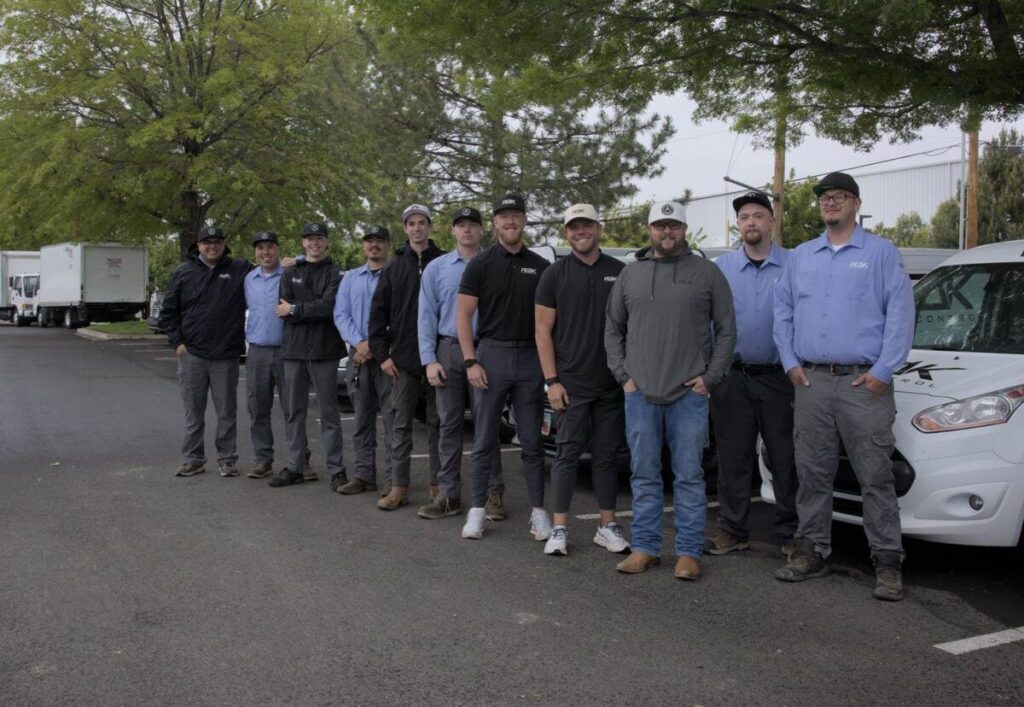
In commercial settings, pest problems don’t just create discomfort; they can damage property, disrupt operations, and harm your business’s reputation. From rodents in storage areas to cockroaches in kitchens, infestations are costly both financially and legally. That’s where smart pest control strategies like Integrated Pest Management (IPM) come in. Rather than relying on reactionary treatments, IPM offers a proactive, efficient, and environmentally conscious approach that saves businesses time and money while protecting customers and staff.

What Makes IPM Different from Traditional Methods
Integrated Pest Management is not a single pest control tactic, but a strategic process. It involves combining biological, mechanical, and chemical tools based on real-time pest activity and environmental conditions. The core goal is long-term prevention, not temporary relief.
Unlike conventional approaches that rely heavily on routine pesticide applications, IPM emphasizes:
- Monitoring and Identification: Instead of assuming the worst, pest populations are identified through inspection and tracked over time.
- Threshold-Based Action: Treatments are only applied when pest levels reach a threshold that threatens health, safety, or business continuity.
- Targeted Solutions: Chemical treatments are used sparingly and strategically, minimizing impact on non-target species and sensitive environments.
- Ongoing Adjustments: Pest trends, seasonal changes, and facility modifications are continuously factored into the control plan.
This type of smart pest control is ideal for businesses looking for sustainable, cost-effective strategies that align with modern regulatory and safety standards.
Industries That Benefit Most from Smart Pest Control
Every business faces its own unique pest challenges. A commercial kitchen will deal with different pests than a warehouse or medical office. That’s why a flexible, customized IPM program is valuable across various industries.
Industries that particularly benefit include:
- Food Service and Hospitality: Even a single pest sighting can result in failed inspections or negative online reviews.
- Healthcare Facilities: Sterile environments demand minimal chemical use and precise pest control interventions.
- Warehousing and Distribution Centers: Rodents and insects can damage inventory and packaging, causing significant losses.
- Office Buildings: Employee comfort and safety are critical, and pest control must be discreet and low-impact.
- Retail Stores: Visible pest activity can quickly drive customers away and affect sales.
By tailoring the strategy to each environment’s needs, IPM not only reduces infestations but also helps maintain compliance with state and federal regulations.
Key IPM Practices That Cut Business Costs
Many business owners overlook the hidden costs of repeated infestations or excessive pesticide use. With IPM, control is achieved through thoughtful, measured actions that prioritize prevention.
Some cost-saving practices include:
- Routine Monitoring and Documentation: Helps catch infestations early and prevents widespread outbreaks.
- Facility Repairs: Sealing gaps, installing door sweeps, and managing moisture sources eliminate many entry points and breeding areas.
- Sanitation Protocols: Cleanliness directly impacts pest activity. Regular deep cleaning reduces the availability of food and water sources.
- Waste Management Controls: Proper disposal systems and scheduled bin cleaning keep scavenging pests away.
- Employee Training: Educating staff to report sightings and practice good storage habits helps maintain a pest-aware environment.
The connection between cleanliness and pest prevention isn’t just relevant for homes; it’s a cornerstone of smart pest control in business spaces as well.
Long-Term Benefits Beyond the Bottom Line
When businesses commit to an IPM strategy, the returns extend beyond reduced extermination bills. Fewer infestations mean fewer disruptions, safer working conditions, and better customer experiences. In regulated industries, staying pest-free also protects licenses and helps avoid fines or shutdowns.
Over time, regular monitoring, data tracking, and informed interventions build a pest history profile for the facility, allowing future outbreaks to be prevented before they begin. This kind of preventative mindset has measurable effects. According to pest control experts, the long-term benefits of consistent pest management often outweigh the costs of sporadic emergency treatments.
In the end, smart pest control isn’t just about controlling bugs and rodents; it’s about maintaining operational integrity and peace of mind across your business.
Why DIY or One-Time Treatments Aren’t Enough
Some businesses try to save money by handling pest control internally or calling professionals only when there’s a crisis. Unfortunately, these short-term solutions usually backfire. DIY products often mask the problem instead of eliminating the source, and emergency treatments cost more in the long run when infestations are allowed to grow unchecked.
Integrated Pest Management allows professionals to identify root causes and apply tailored solutions that go far beyond surface-level fixes. It also provides documentation that many industries now require for audits, compliance, and insurance purposes.
Pest control should be viewed as a part of business risk management, not an occasional maintenance issue.
Let Pros Handle the Smart Strategy
Smart pest control is about thinking ahead. Whether you run a restaurant, clinic, or corporate office, a customized IPM plan can save you time, money, and stress. Contact Peak Pest Control to build a tailored solution that works for your business year-round.