Warm seasons in Reno bring sunshine, backyard barbecues, and, unfortunately, stinging insects. Wasps and hornets are among the most concerning pests for residents, not only because of their painful stings but also due to their aggressive behavior when defending nests. If left unchecked, these insects can pose health risks and property challenges that extend well beyond the summer.
Understanding how to differentiate between these species, where they nest, and when to act can significantly reduce the threat of an infestation. This guide explores the biology, behavior, and best practices for dealing with wasps and hornets in Northern Nevada, especially as pest activity ramps up during the warmer months.

Spotting the Differences: Wasp vs. Hornet
Knowing how to tell wasps and hornets apart is more than just a matter of curiosity; it’s essential for choosing the right approach to managing them safely. Although both are classified as stinging insects, they differ in size, behavior, and nesting patterns, which can influence how aggressive they are and what control methods are most effective. Below are some of the most noticeable distinctions to help you identify which insect you’re dealing with:
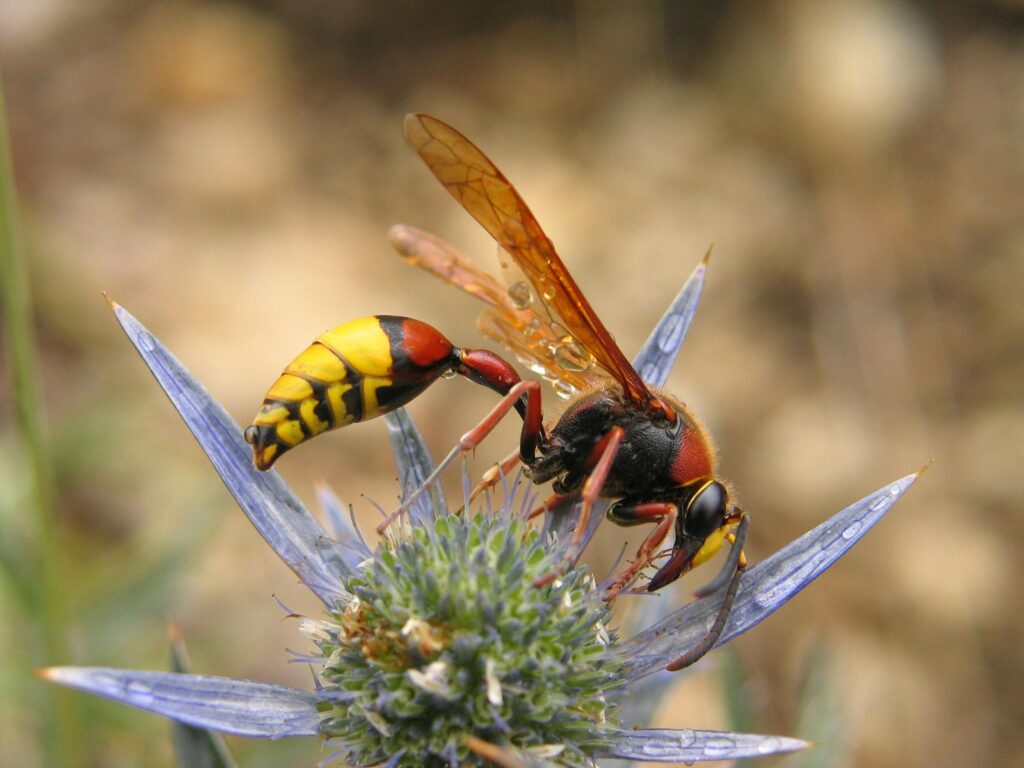
- Body Size and Shape: Wasps tend to have a slimmer, more elongated body with a narrow waist, while hornets are bulkier and rounder in appearance.
- Coloring: Most wasps display a bright yellow and black coloration, whereas hornets often have darker hues, usually brown with yellow or orange markings.
- Nesting Habits: Wasps typically build exposed papery nests under eaves, decks, or tree branches. Hornets usually create large, enclosed nests in higher, more protected areas like tree canopies or attics.
- Temperament: Wasps are generally defensive when threatened but not overly aggressive. Hornets are more territorial and quicker to attack perceived threats.
- Sting Severity: Both can sting multiple times, but hornet stings are more painful due to their larger size and venom potency.
Understanding these distinctions can help homeowners stay safe while observing potential infestations and deciding when it’s time to take action. Accurate identification also helps pest control professionals tailor solutions more effectively.
Where Stinging Insects Nest Around Reno Homes
Nesting behavior varies across species, but most wasps and hornets look for quiet, sheltered spots where they can build and protect their colony. Reno’s dry summers and wooded neighborhoods offer ideal conditions for nesting.
Common nest locations include:
- Under roof eaves, decks, and awnings
- Inside wall voids or attic spaces
- Around bushes, trees, or fence lines
- Beneath patio furniture or playground sets
- Underground burrows or abandoned rodent holes
These nesting areas often go unnoticed until stinging insects begin to actively patrol and defend them. That’s why routine home and yard inspections are key, especially as outlined in this seasonal pest control checklist.
Risks of Having Wasps and Hornets Around
Beyond the obvious sting, stinging insects pose several risks, especially to households with children or those allergic to venom. Even a single sting can trigger dangerous reactions in sensitive individuals. In larger numbers, the risks increase substantially.
- Allergic reactions: Symptoms range from swelling and hives to difficulty breathing or anaphylaxis.
- Property damage: Hornets can chew through wood and insulation while building large nests in attics or wall voids.
- Aggressive behavior: Unlike bees, most wasps and hornets can sting repeatedly and will attack when threatened.
Leaving nests unchecked also means colony populations can grow rapidly through late summer, increasing the chance of unprovoked encounters.
Prevention and Monitoring Tips
Although full elimination should be handled by professionals, residents can take steps to discourage wasps and hornets from nesting on their property.
- Seal gaps and cracks in siding, soffits, and foundation walls where insects may enter.
- Keep outdoor trash sealed, especially sweet or protein-rich food waste, which attracts foraging workers.
- Clean up fallen fruit or sugary drinks left outside that could draw scouts searching for food.
- Hang decoy nests early in spring. Territorial behavior may discourage some species from building nearby.
- Trim trees and shrubs to reduce nesting surfaces and keep branches from touching buildings.
These efforts can reduce the appeal for stinging insects while also decreasing the food sources that sustain them. For general advice on pest presence indoors, check out these tips for identifying insect threats.
What to Do When You Spot a Nest
Discovering a nest can be alarming, especially if it’s active. While the urge to spray or knock it down might be strong, handling nests without proper tools and knowledge can backfire. Wasps and hornets are defensive by nature and may swarm in response to perceived threats.
Instead, observe from a distance and take note of:
- The size and location of the nest
- Time of day when insect traffic is highest
- Whether the insects are aggressive or passive
Avoid vibrations, loud noises, or direct contact with the nest. These can trigger stinging behavior that puts your family at risk. Safe removal typically requires protective gear, targeted application methods, and nest disposal techniques that ensure full colony elimination.
Stop the Sting Before It Spreads
Wasps and hornets won’t go away on their own. If you suspect an active nest or notice frequent stinging insects around your property, it’s best to act early. Contact Peak Pest Control for expert identification, safe removal, and lasting protection built around Reno’s seasonal pest activity.