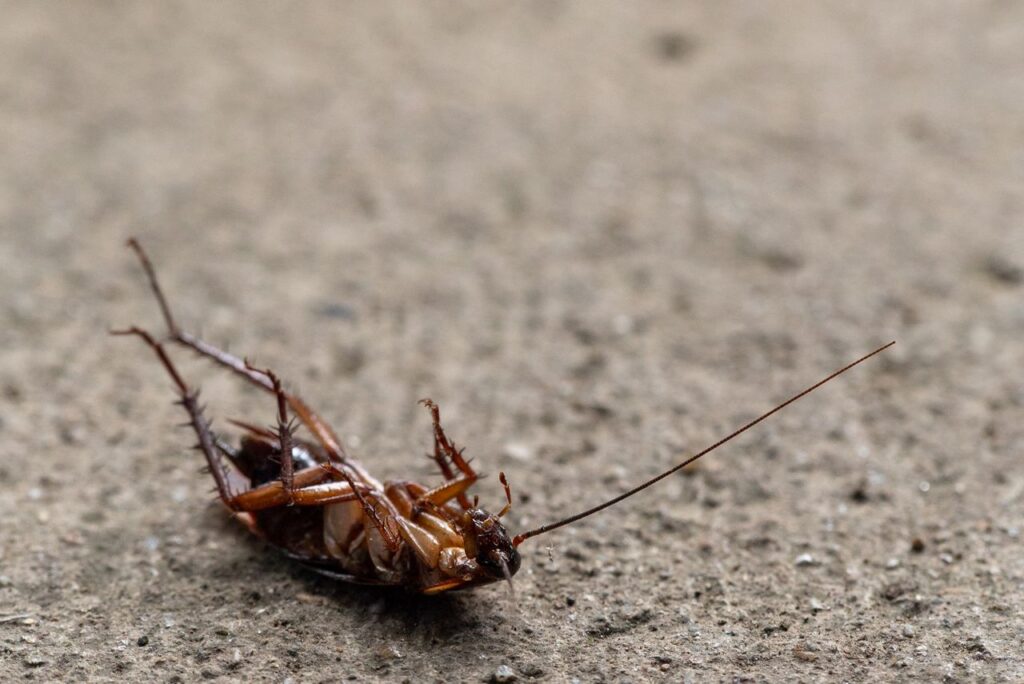
Cockroaches are not random visitors. When they show up in kitchens and bathrooms, they are usually responding to reliable access to moisture, food, warmth, shelter, and hidden movement routes. These rooms often provide everything roaches need within a short distance, which is why activity can continue even after visible surfaces look clean.
In Nevada, pest pressure can shift with weather, irrigation, and indoor comfort needs. Cockroaches may enter from exterior gaps, garages, shared walls, plumbing lines, drains, deliveries, or storage areas. Effective cockroach control starts by understanding those attractants, then addressing conditions that allow it to return.
Moisture Makes Kitchens And Bathrooms More Inviting
Cockroaches need water more than they need a large food source. That is why bathrooms, kitchens, laundry spaces, and utility areas are common problem zones. A small leak, damp cabinet, sweating pipe, or wet mop can support activity longer than expected.
- Leaky faucets, loose supply lines, and slow-dripping drains can create steady water sources.
- Condensation around pipes, toilets, and under-sink areas can keep hidden spaces damp.
- Wet towels, bath mats, and cleaning cloths can hold moisture overnight.
- Poor ventilation can leave bathrooms humid after showers.
Moisture also matters outside. If water collects near the structure, pests may gather close to entry points before moving indoors. A professional inspection helps determine whether the issue begins indoors, outdoors, or in the transition areas between the two.
Food Residue Gives Roaches A Reason To Stay
Kitchens attract cockroaches because even small amounts of food can be enough. Crumbs behind appliances, grease around the stove, residue under trash liners, pet food, and unsealed pantry items can all support roach activity. Bathrooms may also provide organic matter through drains, hair, soap residue, and damp debris in neglected corners.
Roaches are efficient scavengers. They do not need a messy kitchen to survive. A clean home can still have hidden food sources if appliances, cabinet bases, floor gaps, and trash areas are not inspected. Surface cleaning may improve the room without solving the infestation.
Outdoor water use can also influence indoor pest pressure. When irrigation creates damp soil near exterior walls, pests may become more active around the home before slipping inside through small openings. The connection between summer irrigation and pest movement is worth considering when kitchen or bathroom activity increases during warm months.
Entry Gaps And Utility Lines Create Hidden Routes
Cockroaches can use surprisingly small openings to enter and travel through a structure. Kitchens and bathrooms often have more utility penetrations than other rooms, including plumbing, drains, vents, cabinets, and wall voids. These features can create protected routes that keep roaches out of sight during the day.
- Gaps around pipes under sinks can let pests move between wall voids and cabinets.
- Worn door sweeps or window seals can allow exterior pests to enter.
- Openings around vents, baseboards, and utility lines may connect rooms.
- Shared walls and plumbing chases can support movement in multi-unit properties.
Because roaches are nocturnal, visible sightings can suggest hidden activity. Professional pest control focuses on inspection, targeted placement, and prevention instead of treating only the few roaches seen on the surface.
Clutter And Warm Shelter Protect Infestations
Cockroaches prefer tight, dark, protected spaces. Kitchens and bathrooms often contain cabinets, drawers, storage bins, cleaning supplies, appliance backs, vanity bases, and wall gaps that give roaches daytime shelter. The more cluttered these areas become, the easier activity to hide.
Warmth adds another layer. Appliances, water heaters, dishwashers, refrigerator motors, and heated interior walls can create comfortable harborage sites. In bathrooms, vanity cabinets and plumbing voids may stay warmer and more humid than surrounding rooms.
Moisture-related openings can also support pest pressure before roaches reach the kitchen. Learning how moisture gaps attract pests helps explain why exterior maintenance, drainage, and sealing often matter as much as indoor sanitation.
A one-time response may miss these hidden conditions. The better approach is to identify where roaches are resting, how they are moving, and what is supporting them.
Recurring Activity Means The Source Needs Attention
One cockroach can feel minor, but repeated sightings should be taken seriously. Roaches can reproduce quickly when food, moisture, and shelter remain available. They may also contaminate surfaces as they move through drains, trash areas, wall voids, and food-handling spaces.
- Nighttime sightings often point to active movement near food or water.
- Droppings, shed skins, or musty odors can signal hidden harborage.
- Roaches seen during the day may indicate crowding or disturbed nesting sites.
- Activity near sinks, tubs, and appliances can reveal moisture-driven pressure.
Long-term results depend on more than wiping counters or placing random products. The most efficient plan evaluates sanitation, moisture, entry points, room layout, and pest behavior. That targeted service is important because kitchens and bathrooms combine food, water, warmth, and shelter in compact spaces.
Keep These Rooms Less Inviting
For careful inspection, targeted treatments, and practical prevention support, contact Peak Pest Control for help with cockroach concerns.