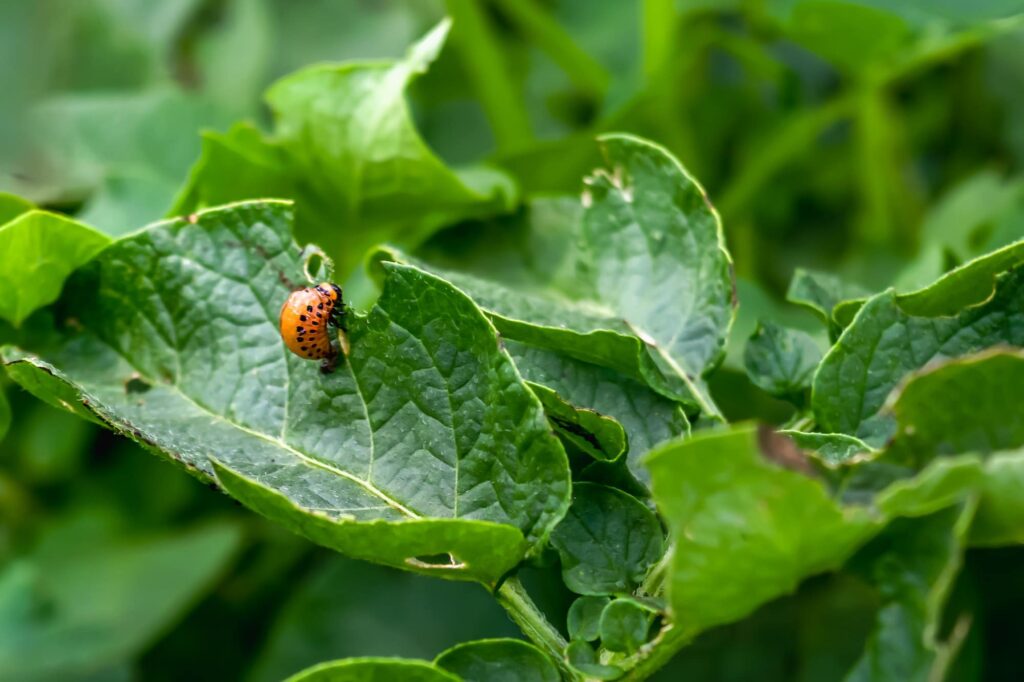
Outdoor spaces work harder during summer. Patios, decks, lawns, garden edges, sheds, walkways, and gathering areas become part of daily life, but they also create more opportunities for pest activity. Heat, irrigation, food residue, shade, and longer evenings can draw ants, spiders, wasps, hornets, rodents, and other insects closer to the home.
Summer pest control is most effective when it looks beyond the pest that appears first. A few ants near a patio may connect to food or moisture. Spider webs may signal active insect populations. Rodent signs near storage can point to shelter and access. Wasps and hornets may use protected rooflines, eaves, or landscape features. A professional plan reviews how the whole outdoor area functions, then targets the conditions that allow pests to return.
Reduce Food, Water, And Shelter Around Gathering Areas
Pests stay active when outdoor spaces provide what they need. A patio table, grill area, pet bowl, trash bin, or shaded planter can become part of the attraction. Summer heat also makes moisture more valuable, so irrigation leaks, standing water, and damp soil near hardscapes should not be overlooked.
Important areas to review include:
- Trash cans, outdoor dining areas, grills, and drink spills that attract ants or insects
- Pet food, birdseed, and stored items that may encourage rodents
- Irrigation overspray, leaking hoses, drains, and damp soil near seating areas
- Dense shrubs, tall grass, and clutter that create shelter for spiders and rodents
- Eaves, fence lines, and covered corners where wasps or hornets may build
Pest pressure can also affect property value when small outdoor concerns become recurring or visible. A well-maintained exterior supports comfort, curb appeal, and long-term protection, which is why seasonal pest care is worth considering before activity spreads.
Watch How Insects Influence Other Pests
Many outdoor pest problems are connected. Spiders often settle where insects are plentiful. Ants may follow crumbs, moisture, or nesting opportunities near patios and foundations. Wasps and hornets can become more active where shelter and food sources exist. Rodents may explore areas with cover, seeds, waste, or storage materials. Treating each sighting as a separate problem can miss the pattern.
A better inspection looks for connections such as:
- Outdoor lights draw insects near doors, windows, and seating areas
- Ant trails leading from soil, cracks, or landscape beds toward food or water
- Spider webs are collecting around eaves, furniture, lighting, and garage corners
- Rodent pathways along walls, sheds, fences, or stacked materials
- Wasp or hornet activity near roof edges, covered patios, and quiet corners
This connected view helps avoid common misconceptions. For example, visible insects may not be the whole issue, and a one-time surface treatment may not affect nesting areas, entry points, or seasonal pressure. This is why understanding insect control myths can help homeowners see why accurate identification and professional placement matter.
Strengthen The Perimeter Before Pests Move Indoors
Outdoor pest control should protect the places people use and the structures those spaces surround. When pests build near foundations, doors, garages, vents, and utility openings, the risk of indoor movement increases. Summer activity can make this transition faster because pests search for cooler shelter, food, and water.
Perimeter-focused prevention may include:
- Inspecting door sweeps, window screens, garage edges, and weather stripping
- Checking foundation cracks, utility openings, vents, and wall gaps
- Trimming vegetation away from siding, rooflines, and walkways
- Moving firewood, boxes, and storage materials away from exterior walls
- Monitoring patios, sheds, crawl-space areas, and fence lines for activity
Professional pest control helps prioritize these steps. Not every gap or plant bed carries the same level of risk. A technician can identify active pest routes, determine whether ants, spiders, rodents, wasps, hornets, or insects are involved, and recommend targeted service that fits the property.
This is especially useful in Reno and nearby areas where dry heat, irrigation, wind, and seasonal changes can shift pest behavior. Outdoor spaces may look clean, but still support activity in hidden edges, shaded areas, or structural transitions. A measured plan reduces unnecessary treatment while focusing on where pests are actually using the property.
Outdoor spaces are easier to enjoy when pest prevention starts before activity becomes obvious. If ants are trailing, webs are returning, wasps are gathering, hornets are nesting, rodents are exploring storage, or insects are collecting around lights, the property is already showing pressure points.
A professional summer plan brings inspection, targeted treatment, prevention guidance, and follow-up into one process. It can also adjust as the season changes, especially after landscaping, irrigation changes, storms, events, or heavy outdoor use. That consistency helps keep patios, lawns, walkways, and entry areas more comfortable without relying on guesswork.
The goal is practical protection. Outdoor pest service should reduce active pest pressure, address the conditions that support it, and help prevent movement toward the home.
Keep Outdoor Living Comfortable This Summer
Summer pests can make patios, yards, and gathering spaces harder to enjoy when conditions are left unmanaged. For professional help with ants, spiders, rodents, wasps, hornets, insects, residential pest control, commercial pest control, and weed-related outdoor concerns, contact Peak Pest Control.