Ant risk in commercial buildings is not evenly distributed. Some property types deal with recurring problems every season while others rarely see any. The difference comes down to a short list of conditions, and knowing where your building sits on that list tells you how much prevention it needs.
Food Service
The highest-risk category by a wide margin, and for compounding reasons.
Restaurants combine continuous food residue, constant moisture, high heat that keeps interior spaces warm year round, extensive floor drains, heavy waste volume, and doors that stand open through service. Every one of those is an ant attractant on its own.
The specific vulnerabilities:
- Grease accumulation under and behind cooking equipment, which is both food and harborage
- Floor drains with organic buildup
- Dish areas that stay wet
- Dry storage with damaged packaging
- Dumpster enclosures, often the origin point for exterior colonies
- Beverage lines and soda syrup, which are a powerful sugar attractant when leaking
The regulatory stakes make it worse. Ant activity in a food service inspection is a finding, regardless of whether any customer noticed.
Grocery, Convenience, And Food Retail
Similar drivers, larger footprint.
Produce departments hold moisture and generate organic waste. Bakery and deli areas provide sugar and protein. Receiving docks stand open for extended periods. Bulk storage creates undisturbed harborage between rotations.
The particular challenge is volume of incoming goods. Pallets arriving from distribution centers can carry colonies with them, which bypasses every perimeter defense the building has.
Healthcare And Assisted Living
Higher risk than most operators expect.
Patient rooms with food, extensive plumbing, continuous moisture in bathing and laundry areas, and warm interior conditions all support ant activity. Kitchens and nutrition stations run around the clock.
The complication is treatment constraint. Occupied patient areas, immunocompromised residents, and infection control protocols limit both the products available and when work can be done, which means prevention and exclusion carry more of the load than they would elsewhere.
Schools And Childcare
Food is present in more places than in almost any other building type. Classrooms with snacks, cafeterias, staff rooms, vending areas, and lockers all provide sources, and cleanup is inconsistent by nature.
Treatment options are limited around children, and buildings sit empty over summer, which is precisely when colonies expand undisturbed. Many school ant problems are discovered in August after building without interference for two months.
Hospitality
Guest rooms with food, extensive plumbing running through shared walls, laundry operations, pools and spas, kitchens, and continuous public access.
Multi-story construction adds a specific difficulty: utility chases and plumbing runs let ants move vertically between floors, so an infestation reported on the fourth floor may originate in a mechanical space two levels down.
Warehousing And Distribution
Lower food risk, higher structural risk.
Large open dock doors, extensive perimeter, pallet storage that goes undisturbed for long periods, and incoming freight that may carry colonies. Buildings are often sited near open ground, which puts exterior colonies close to the structure.
Where food or consumer goods are stored, the risk rises accordingly.
Offices And Professional Space
The lowest-risk category, though not zero.
Break rooms, kitchenettes, desk snacks, and shared refrigerators are the usual sources. Problems tend to be localized and manageable. The main failure mode is neglect, since low risk means low attention until something appears.
The Underlying Drivers
Across every category, the same four factors determine exposure.
Moisture. The strongest driver in northern Nevada's dry climate. Leaks, drains, condensation, and irrigation against the building matter more here than in humid regions, because a reliable water source is genuinely scarce.
Food access. Not just stored product. Residue, grease, spills, and waste handling matter more than what is in the pantry.
Structural openness. Hours per day that dock doors and entrances stand open, condition of door seals, unsealed utility penetrations, and gaps at the foundation.
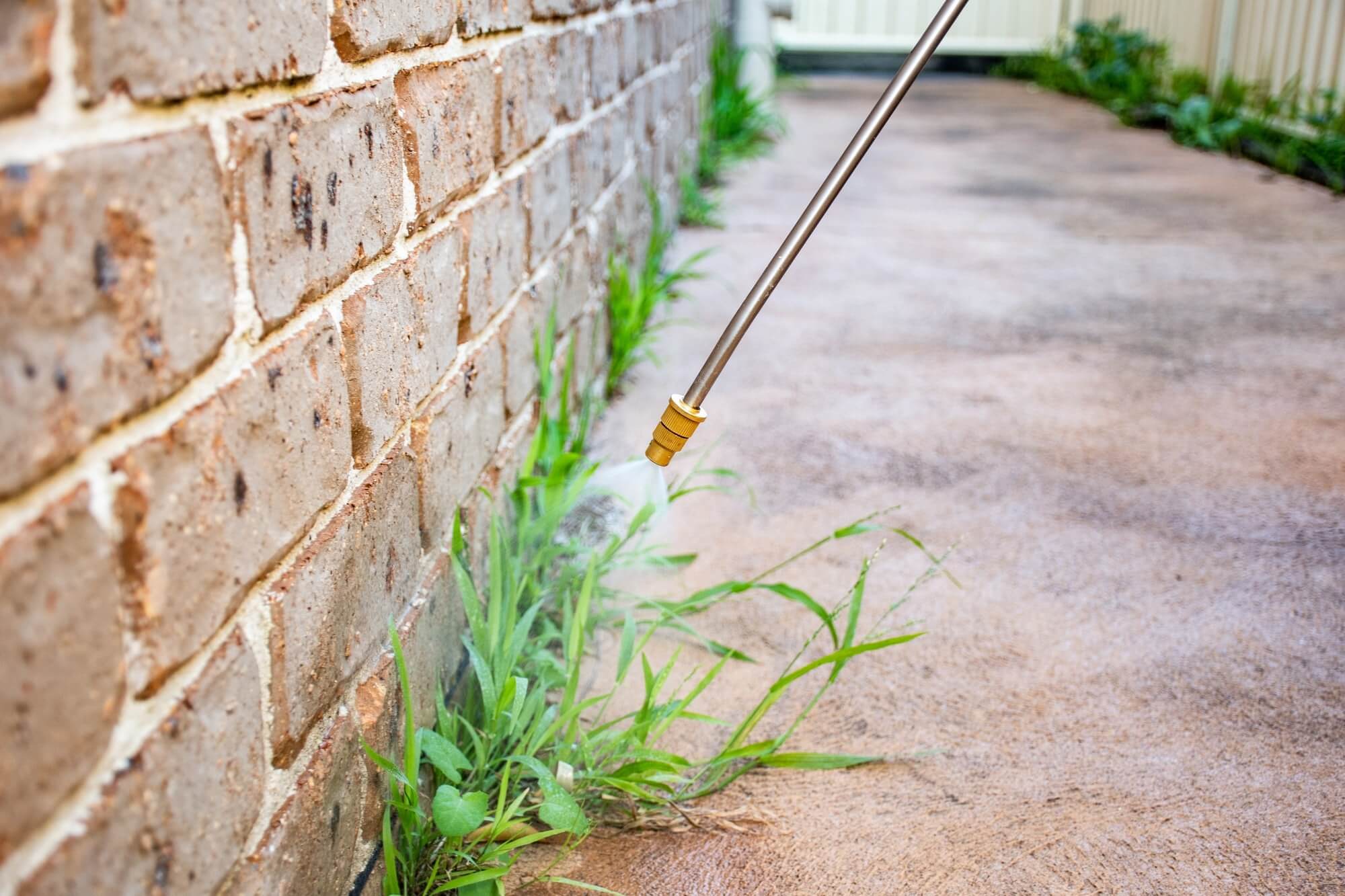
Exterior conditions. Landscaping against the building, irrigated beds, mulch, dumpster placement, and vegetation contact all put colonies within reach of the structure.
What Reduces Risk
- Correct sanitation deficiencies first, particularly drains and equipment grease
- Repair leaks promptly, including irrigation near the building
- Seal utility penetrations, foundation gaps, and door seals
- Keep a clear, plant-free band around the perimeter
- Move dumpsters away from entrances and keep enclosures clean
- Inspect incoming shipments, especially pallets
- Schedule service frequency to match actual risk rather than a default
Peak Pest Control provides commercial pest service across Reno, Sparks, and northern Nevada, including food service, healthcare, retail, and warehousing. Contact us at (775) 446-6199 to have your facility assessed.
Dealing with this pest at your place?
Peak serves Reno, Sparks, and northern Nevada with free inspections and a re-treatment guarantee. Get an honest quote, no pressure.
Aspen Chournos
Aspen Chournos writes about high-desert pest pressure and prevention for homes and businesses across Reno, Sparks, and northern Nevada.