Offices are relatively low-risk for pests, which is exactly why ant problems in them tend to go unaddressed until they are established. The activity is usually reported in one place and originating somewhere else entirely.
Here is where to actually look.
The Break Room
The obvious one, and usually correct.
Break rooms concentrate everything ants need: food residue, sugar, moisture, and warmth. The specific problem spots are rarely the visible counter.
- Under and behind the refrigerator, where spills collect and condensation drips
- Inside and beneath the microwave, including the turntable well
- The coffee station, particularly sugar residue and the drip tray
- Sink cabinets, where slow leaks go unnoticed
- Behind and under vending machines
- Trash bins, especially the base and the liner gap
- The dishwasher, around the door seal and beneath
Sugar is the strongest draw. A coffee station that gets wiped daily but never moved is one of the most reliable ant sources in any office building.
Individual Desks
The one that gets missed because it is distributed rather than concentrated.
Snack drawers, desk plants, unwashed mugs, and crumbs in keyboards all sustain small foraging trails. Because each desk is a minor source, no single one triggers a complaint, but collectively they can keep a colony supplied indefinitely.
Ants trailing along a wall past a row of cubicles usually indicates desk sources rather than a break room problem.
Restrooms
Frequently overlooked because there is no food.
Ants need water as much as food, and in northern Nevada's dry climate water is often the scarcer resource. Restrooms provide it consistently.
Check around the base of toilets and sinks, at supply line connections, under sink cabinets, and around floor drains. Persistent ant activity in a restroom usually indicates a slow leak, which is worth finding for reasons beyond pest control.
Utility And Mechanical Rooms
Water heaters, HVAC units, and plumbing manifolds all produce condensation and occasional leaks. These rooms are warm, undisturbed, and rarely inspected.
They are also where utility penetrations concentrate, which makes them a common entry point and a common nesting location for species that prefer damp voids.
Wall Voids And Utility Chases
Not a place you inspect directly, but where colonies frequently live.
Ants travel wall voids, plumbing chases, and cable runs, which is how activity appears on an upper floor with no visible source. In multi-story or multi-tenant buildings, a colony in a shared chase can supply foraging trails across several suites.
The tell is ants emerging from an outlet, a baseboard gap, or a ceiling tile seam with no trail leading to it from anywhere in the room.
Entry Points And Exterior Perimeter
Where the problem usually originates.
- Door thresholds and damaged weather stripping
- Window frames and weep holes
- Utility, conduit, and HVAC penetrations
- Foundation cracks and expansion joints
- Landscaping and irrigation against the building
- Mulch beds and vegetation touching exterior walls
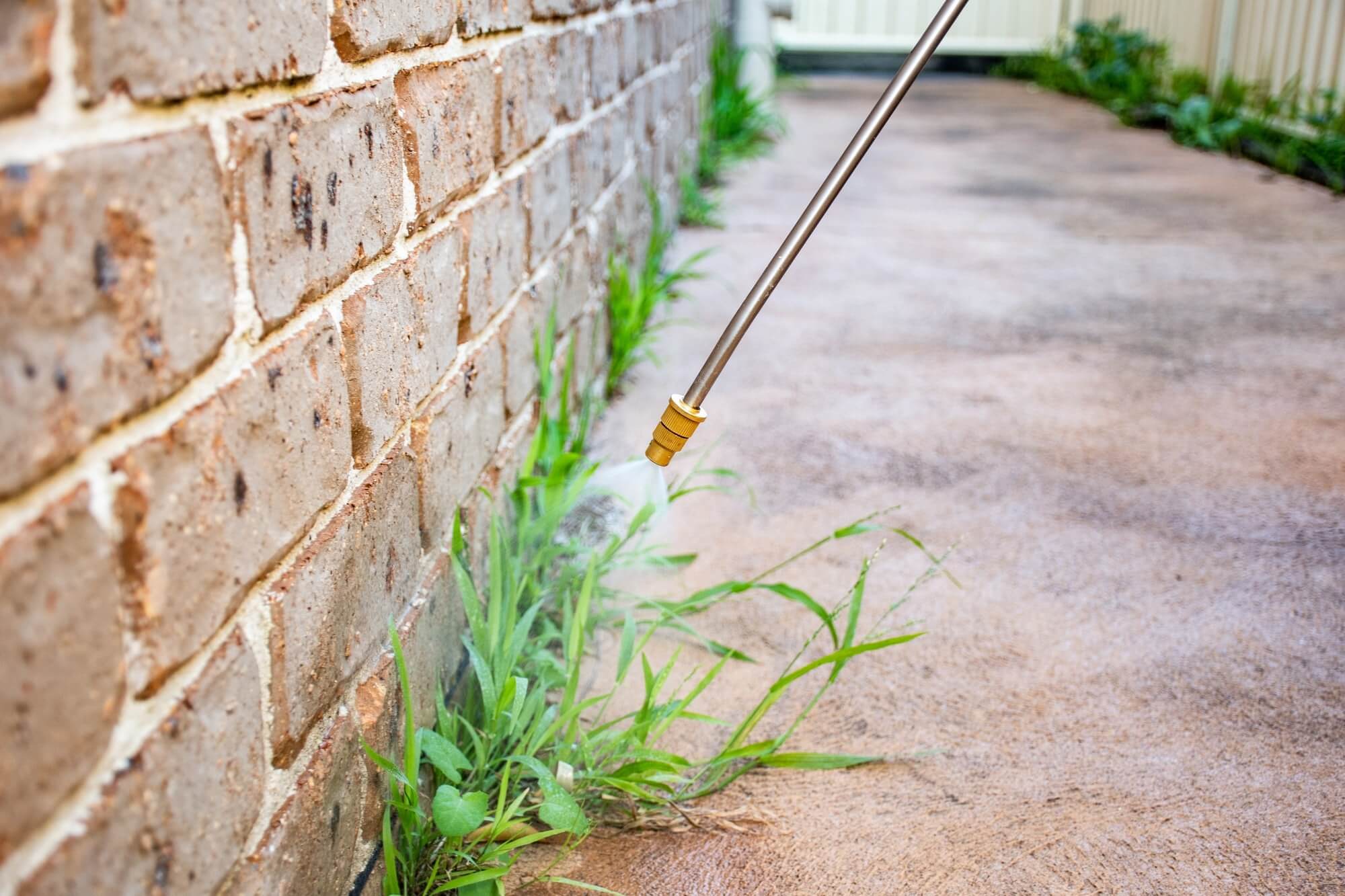
Irrigated landscaping directly against a foundation is one of the strongest predictors of interior ant activity in this region. It creates a band of moist, protected nesting habitat against the structure.
Interior Plants
Overwatered planters provide moisture, and some species will nest directly in the soil. Plants near windows or exterior walls also give ants a route in.
Check saucers for standing water and the soil surface for activity.
Storage And Supply Rooms
Undisturbed, cluttered, and often holding paper products and occasionally food. Boxes stacked against walls create ideal harborage, and the lack of traffic means activity builds without being noticed.
The Practical Approach
Find the trail, not the ants. Ants trailing in the open are foragers. Follow the ones carrying material back and they will lead you toward the source.
Do not spray the trail. Contact sprays kill visible foragers, leave the colony intact, and can cause some species to split and relocate, turning one problem into several.
Fix the moisture. In this climate, water leaks are more often the root cause than food.
Address sanitation on a schedule. Move the appliances. Cleaning around a refrigerator is not the same as cleaning under it.
Seal the building. Door sweeps, weather stripping, and sealed penetrations do more long-term good than any treatment.
If ants keep appearing in your Reno or Sparks workplace, contact Peak Pest Control at (775) 446-6199. We will trace the activity to its source and treat in a way that eliminates the colony rather than scattering it.
Dealing with this pest at your place?
Peak serves Reno, Sparks, and northern Nevada with free inspections and a re-treatment guarantee. Get an honest quote, no pressure.
Aspen Chournos
Aspen Chournos writes about high-desert pest pressure and prevention for homes and businesses across Reno, Sparks, and northern Nevada.