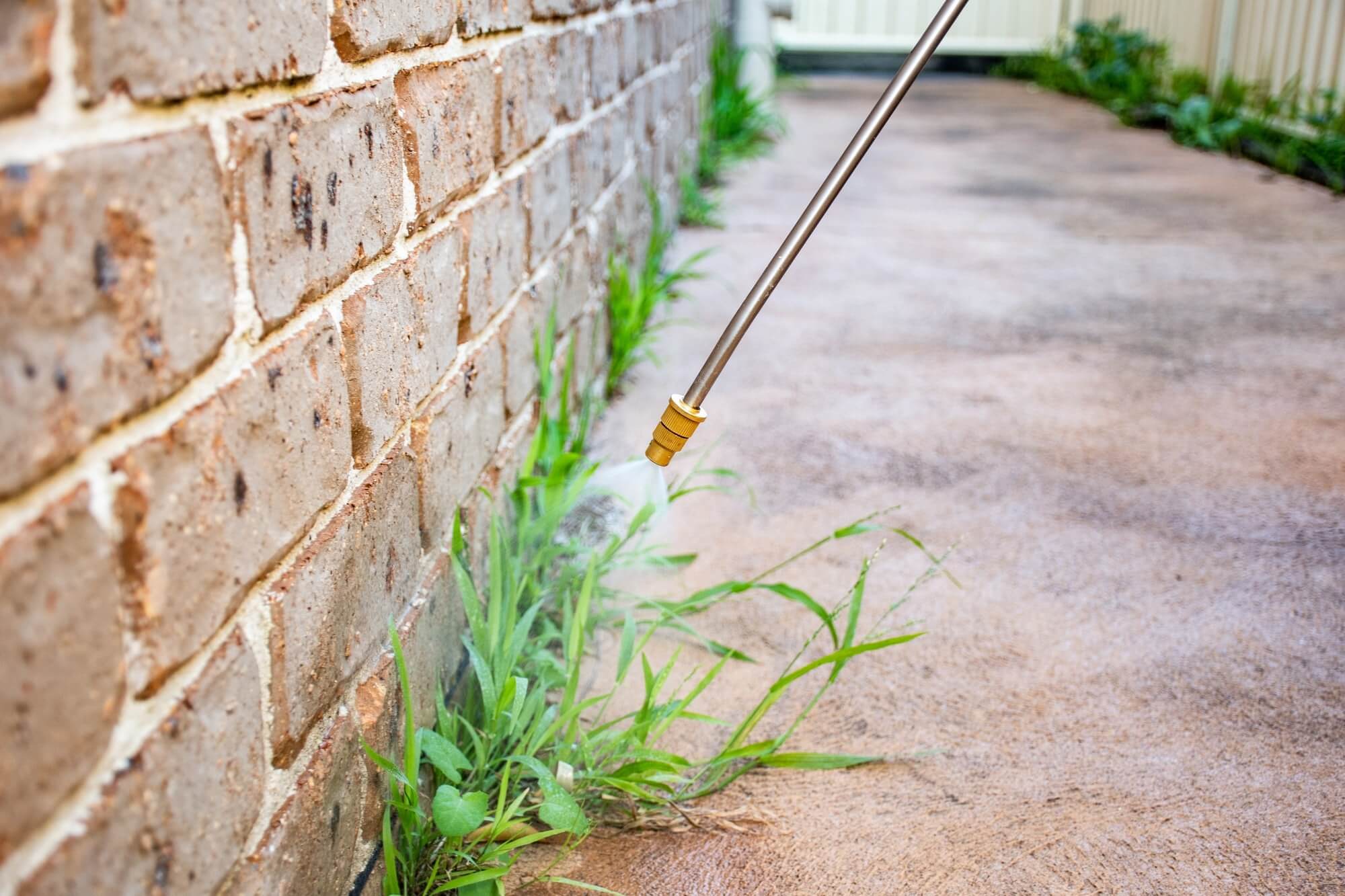
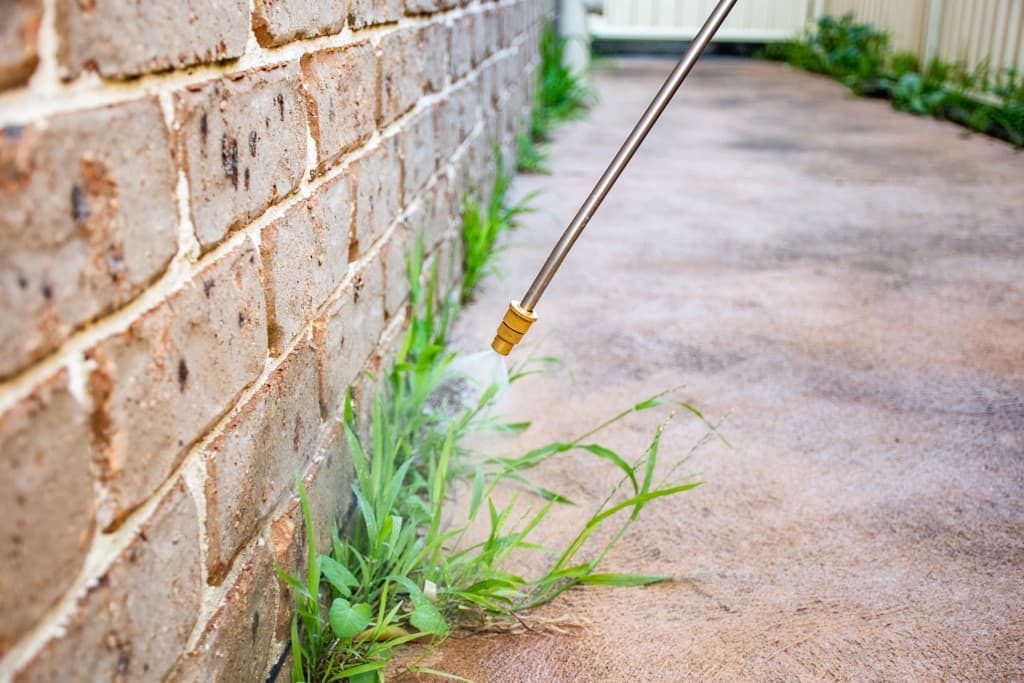
Weeds are usually treated as a cosmetic problem. In a high desert climate, they are closer to a habitat problem — and the habitat they create sits directly against the structures we are trying to keep pests out of.
Here is what actually lives in an unmanaged weedy area around a Reno or Sparks property.
Why Weeds Are Such Good Habitat
Three things make overgrown vegetation attractive to nearly every pest category:
Cover. Dense growth at ground level provides continuous protection from predators, sun, and wind. Pests can move across a property without exposure.
Moisture. Vegetation shades the soil and slows evaporation. In northern Nevada, where ambient humidity is low, that retained ground moisture is a significant resource — often the only reliable one available.
Food. Weeds support herbivorous insects, which support predatory insects, which support spiders and larger predators. Seed heads feed rodents directly. A weed patch is the base of a small food web.
Put those together against a foundation line, and you have created a staging area.
Ants
Weedy ground is prime ant nesting habitat. The soil stays workable and moist, the cover conceals nest openings, and many weeds host aphids that ants farm for honeydew.
That last relationship is worth understanding. Ants protect aphid colonies from predators in exchange for the sugary honeydew aphids excrete. A weedy area with an aphid population can support a substantially larger ant colony than the same area would otherwise — and that colony is then established a few feet from your foundation.
Spiders
Spiders follow prey, and weeds concentrate prey. Ground-hunting species like wolf spiders work the soil surface under vegetation cover. Web-builders string webs between stems.
Weedy fence lines and foundation beds routinely support far higher spider densities than adjacent maintained areas. Since spiders enter structures along the ground and through low gaps, that proximity translates directly into indoor sightings.
Rodents
This is the most consequential one.
Mice and rats need cover to move safely. Open ground exposes them to predators; dense vegetation does not. Overgrown areas let rodents travel the length of a property and reach the structure without ever breaking cover.
Weeds also feed them directly. Seed heads are a substantial food source, and many common weeds produce them prolifically. Tall growth against a wall additionally conceals the gaps and entry points rodents are looking for — from them, it is cover; from you, it is a blind spot.
Stinging Insects
Several wasp species nest at or below ground level, and weedy areas provide both concealment and undisturbed conditions. Yellowjackets in particular favor these locations.
The risk is specifically about the concealment. A ground nest hidden in overgrowth is nearly invisible until someone mows, trims, or steps on it — which is how most serious stinging incidents happen. Flowering weeds also draw foraging wasps and bees into areas where people are working.
Ticks And Biting Insects
Tall grass and weeds along paths, fence lines, and property edges are classic tick habitat. Ticks climb vegetation and wait for a host to brush past, which makes overgrown edges the highest-risk areas for people and pets.
Dense vegetation also holds the still, humid air that mosquitoes rest in during the day, particularly if there is any standing water nearby.
Beetles, Earwigs, And Occasional Invaders
A long list of insects shelters in weeds and moves into structures opportunistically:
- Earwigs, which need consistent moisture and are strongly associated with dense ground cover
- Box elder bugs and similar seasonal congregators
- Ground beetles and darkling beetles
- Crickets, which are also a primary food source for scorpions
- Springtails in consistently damp organic matter
Most of these are nuisance rather than damaging, but they arrive in volume and they support the predators that follow them.
The Foundation Line Is What Matters Most
If you do nothing else, focus on the first few feet.
A maintained, clear band around the perimeter of a structure — free of weeds, dense groundcover, stacked material, and debris — does several things simultaneously. It removes harborage directly against the building, eliminates the bridge that lets ground-dwelling pests reach the wall, exposes rodent runways, makes entry points visible for inspection, and allows any perimeter treatment to actually function as a barrier rather than being bypassed overhead.
Practical steps:
- Keep a clear zone against the foundation, ideally 18 inches or more
- Control weeds along fence lines and property edges, not just visible areas
- Remove debris piles, unused material, and stacked wood from near the structure
- Trim vegetation so nothing touches exterior walls
- Manage irrigation so the perimeter is not kept damp
Weed Control As Pest Prevention
Treating weeds and treating pests are usually handled as separate services. On a northern Nevada property they address overlapping problems, and doing both is meaningfully more effective than doing either alone.
Peak Pest Control handles both. If overgrowth around your property is supporting more than you would like, contact us at (775) 446-6199 and we will look at the whole picture.
Dealing with this pest at your place?
Peak serves Reno, Sparks, and northern Nevada with free inspections and a re-treatment guarantee. Get an honest quote, no pressure.
Aspen Chournos
Aspen Chournos writes about high-desert pest pressure and prevention for homes and businesses across Reno, Sparks, and northern Nevada.