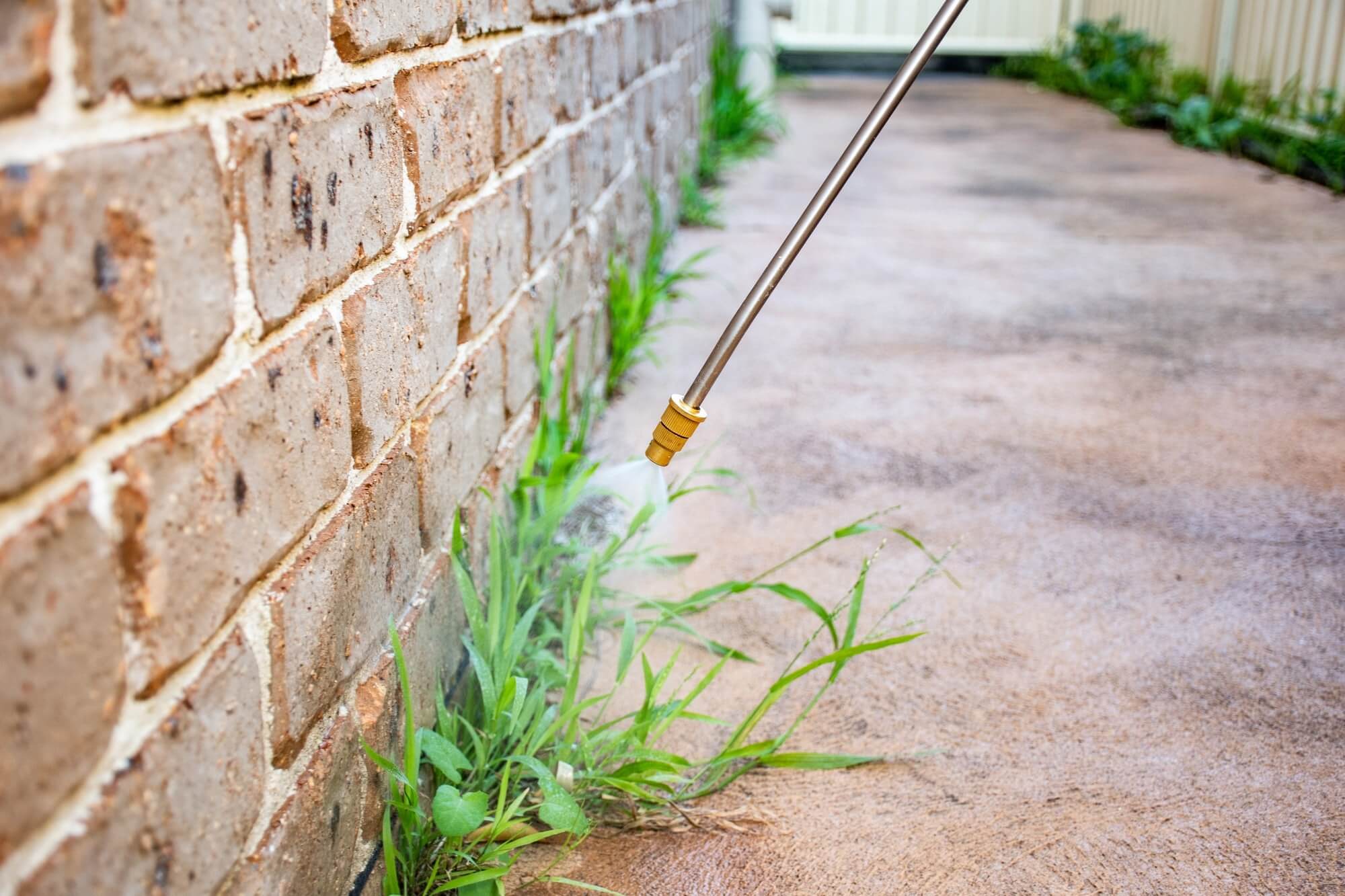
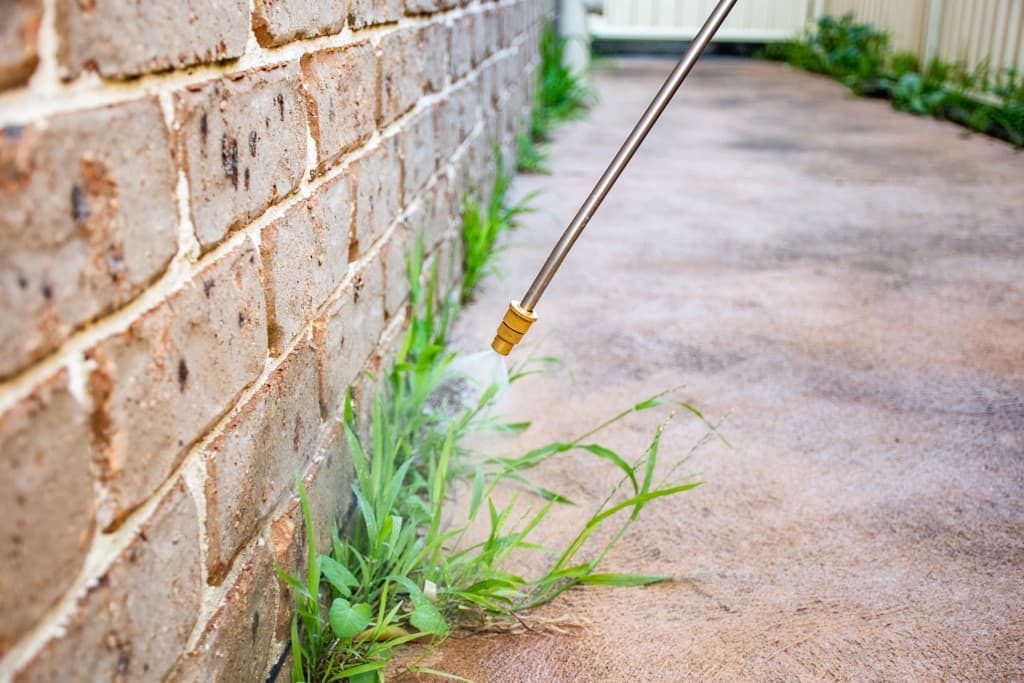
A weedy yard is not simply an aesthetic issue. It is a functional one, because unmanaged vegetation builds a continuous corridor that carries pests from the edges of a property inward — and terminates at your foundation.
Understanding how that corridor works makes it much easier to break.
The Corridor Effect
Pests moving across open ground are exposed. Predators can see them, the sun dries them out, and there is nowhere to shelter if disturbed. Most will not cross a wide open area if they can avoid it.
Weeds remove that constraint. Continuous vegetation from a fence line to a foundation bed creates a protected route, and pests use it exactly as you would expect. Rodents travel it. Ants forage along it. Spiders hunt in it. Ground-nesting wasps establish within it.
The critical detail is continuity. A weed patch in the middle of a lawn is a habitat island. A weedy strip connecting the property line to the house is a highway.
Moisture Is The Underlying Driver
In northern Nevada's climate, moisture is the limiting resource for most pests, and vegetation is remarkably good at holding it.
Weeds shade the soil surface, slow evaporation, and trap humidity at ground level. Under a dense mat of growth, conditions can stay damp for days after irrigation in an environment where open ground would be bone dry within hours.
That retained moisture is what makes weedy areas support earwigs, silverfish, springtails, sowbugs, and the ant species that require damp nesting conditions. Reduce the vegetation and you reduce the moisture, and a large share of the pest pressure goes with it.
The Food Chain It Supports
Weeds feed pests at every level.
Seed heads feed rodents and seed-eating insects directly. Foliage feeds aphids, leafhoppers, and other herbivorous insects. Those insects feed predatory insects and spiders. Flowering weeds draw wasps and bees.
The result is a self-sustaining system a few feet from your walls. Pests are not passing through — they are living there, reproducing there, and expanding toward whatever is adjacent.
Why It Ends At Your Foundation
Everything above happens outdoors. The problem is what sits at the end of the corridor.
Foundations have gaps. Weep holes, expansion joints, utility penetrations, the seam under siding, the base of a garage door. Pests that have traveled a protected route to the wall arrive at those openings with cover right up to the point of entry.
Vegetation against the wall also defeats perimeter treatments. A treated band of ground only works if pests have to cross it. Weeds growing over or against the wall let them bypass it entirely — over the top, along a stem, up the siding.
What To Do About It
Establish a clear perimeter band. The highest-value change is a maintained strip against the foundation with no vegetation, mulch, or stored material — 18 inches at minimum, wider if the site allows. This single measure breaks the corridor, exposes rodent activity, makes entry points visible, and lets perimeter treatment work as intended.
Treat the edges, not just the middle. Most people manage weeds where they are visible from the house and ignore fence lines, side yards, and behind sheds. Those neglected edges are exactly where the corridor originates. Control has to cover the whole property to break continuity.
Get to weeds before they seed. A weed that sets seed has multiplied the following season's problem and fed rodents in the process. Timing matters more than intensity — early-season control prevents far more than late-season removal.
Fix the irrigation. Overspray onto foundations and walls, leaking emitters, and beds watered more than the plants need all create the damp conditions that make the corridor viable. Adjust heads away from the structure and repair leaks promptly.
Manage what you keep. Ornamental beds are fine. Beds that touch the wall, hold dense groundcover, and stay wet are not. Keep plantings trimmed back from the structure, choose lower-water species near the foundation, and leave air and light at ground level.
Clear the associated debris. Weedy areas usually come with company — leaf litter, stacked wood, unused pots, forgotten materials. Each is additional harborage, and removing it costs nothing but an afternoon.
Doing It Once Is Not Enough
Weeds return. In northern Nevada they return quickly after any irrigation or spring precipitation, and the corridor reestablishes in weeks.
Ongoing weed control is what keeps the break in place. Combined with a perimeter pest program, it addresses both halves of the problem — the habitat that supports pests and the pests themselves.
Peak Pest Control handles weed control alongside pest service for properties across Reno, Sparks, and northern Nevada. Contact us at (775) 446-6199 to talk about keeping your yard from working against you.
Dealing with this pest at your place?
Peak serves Reno, Sparks, and northern Nevada with free inspections and a re-treatment guarantee. Get an honest quote, no pressure.
Aspen Chournos
Aspen Chournos writes about high-desert pest pressure and prevention for homes and businesses across Reno, Sparks, and northern Nevada.