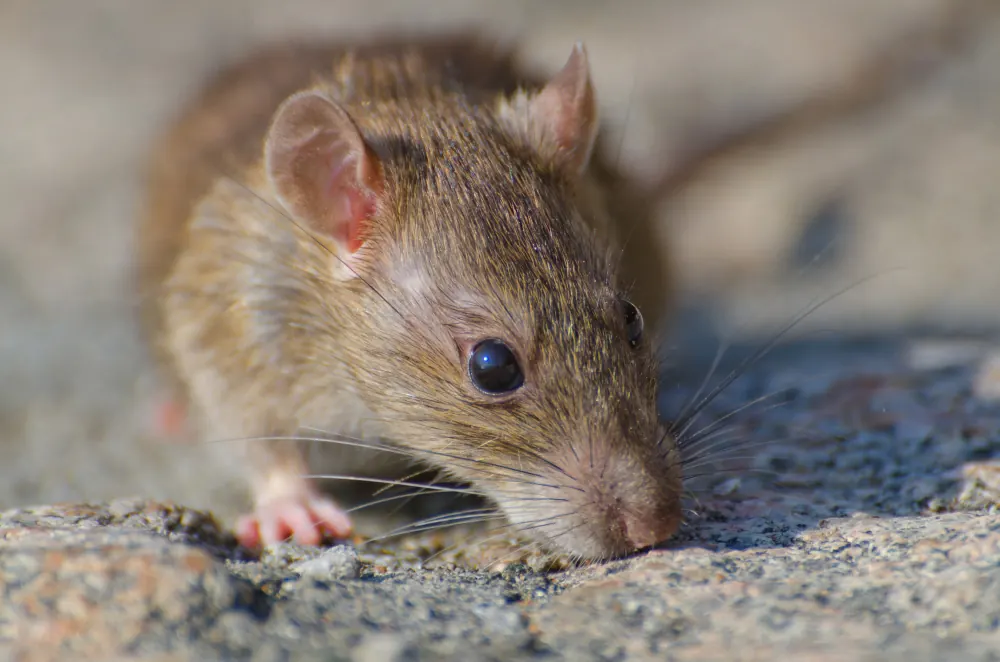
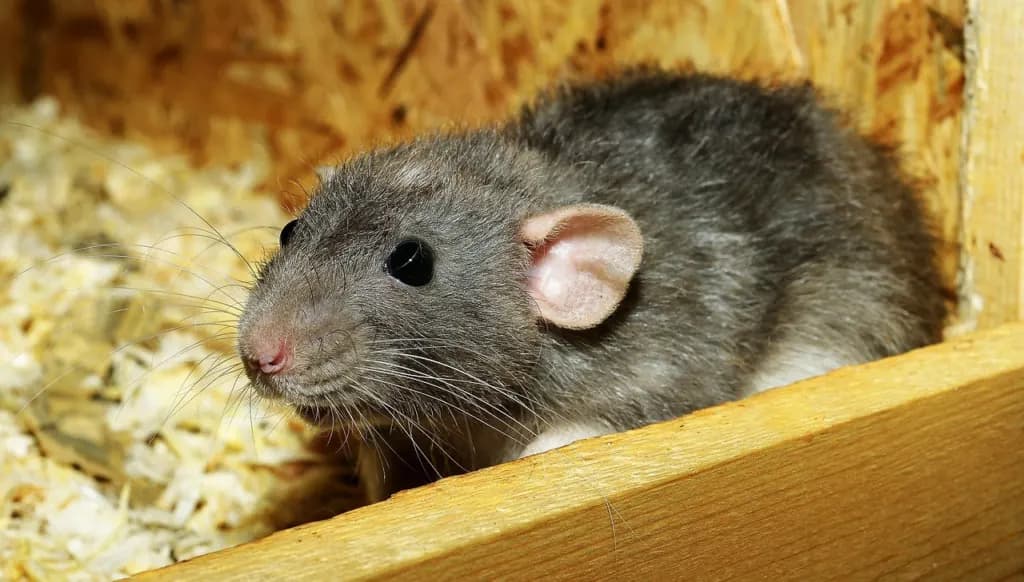
Of all the reasons to take a rodent problem seriously, this is the one homeowners tend to learn about last. Mice and rats chew electrical wiring, and that gnawing is recognized by fire investigators and insurers as a genuine ignition source.
The frustrating part is where it happens. Rodents work in attics, wall voids, and crawl spaces — the parts of a house nobody looks at until something goes wrong.
Why Rodents Chew Wire At All
They are not attacking the wiring. They are maintaining their teeth.
Rodent incisors grow continuously throughout their lives. A mouse that stops gnawing ends up unable to eat. So it gnaws constantly, on whatever is available and appropriately resistant — wood framing, insulation, plastic, and the PVC or rubber jacketing on electrical cable.
Wire is close to ideal from a rodent's perspective. It is firm enough to wear teeth down, soft enough to cut, and it runs in long continuous lines through exactly the protected voids they prefer to travel.
Some evidence also suggests rodents are drawn to the warmth of energized cable in cold weather, which is not encouraging in a northern Nevada winter.
How Chewed Wire Becomes A Fire
The insulation jacket is the only thing keeping conductors separated and contained. Once a rodent strips it:
- Arcing — exposed conductors touch or come close enough for current to jump the gap, producing sparks at temperatures well above the ignition point of surrounding material
- Short circuits — a compromised circuit draws current it was never designed for, heating the conductor
- Resistance heating — partial damage narrows the conductor, and a narrowed conductor carrying normal load runs hot
Every one of those failure modes occurs in an enclosed void, surrounded by some of the most flammable material in the building: cellulose or fiberglass insulation, dry framing lumber, dust, and often the rodent's own nest of shredded paper and fabric.
A breaker should trip on a dead short. It will not necessarily trip on a slow resistance-heating fault, which can smolder for a long time before anything ignites.
Where The Damage Happens
Rodents travel established routes, and their chewing concentrates along them:
- Attic runs where wiring crosses joists
- Wall voids near plumbing and utility penetrations
- Crawl spaces and beneath subfloors
- Behind appliances — dishwashers, refrigerators, washers
- Inside garage walls and near panel entries
- Under vehicle hoods, which is a related and expensive problem
Because these are all concealed, the damage is typically found during an unrelated renovation, by a technician working on something else, or after a failure.
Warning Signs Worth Acting On
Rodent presence is the primary signal, and it usually shows up before electrical symptoms do:
- Scratching or scurrying in walls and ceilings, especially at night
- Droppings in the attic, garage, pantry, or under sinks
- Shredded paper, insulation, or fabric gathered into nests
- A persistent musky or ammonia-like odor
- Gnaw marks on framing, food packaging, or stored goods
Electrical symptoms that should prompt an immediate inspection:
- Lights that flicker on a specific circuit
- Breakers tripping repeatedly with no obvious cause
- Outlets or switch plates that are warm to the touch
- Any burning or acrid smell you cannot trace
That last one is a call-an-electrician-today situation, not a wait-and-see one.
Why Northern Nevada Homes Are Exposed
Reno and Sparks get real winters. As temperatures drop, deer mice, house mice, and roof rats move toward heated structures — and they do not need much of an opening. A mouse fits through a gap around a quarter inch wide.
Attics are particularly attractive: warm, quiet, undisturbed for months, insulated for nesting, and threaded with wiring. A population can establish in October and go unnoticed until spring.
Reducing The Risk
Exclusion is the durable fix. Trapping removes the current occupants; sealing keeps the next ones out.
- Seal gaps at rooflines, eaves, and vent penetrations with rodent-resistant material
- Screen attic and crawl space vents
- Close gaps around utility, plumbing, and HVAC entries
- Fit door sweeps on garage and exterior doors
- Trim tree limbs providing roof access
- Keep firewood, feed, and stored goods away from the structure
Steel wool, hardware cloth, and sealant hold up. Expanding foam alone does not — rodents chew straight through it.
If you are hearing activity in your walls or attic, or you have found droppings anywhere in the structure, do not wait to see how it develops. Contact Peak Pest Control at (775) 446-6199 for an inspection. We will identify how they are getting in, remove the population, and seal the structure against the next one.
Dealing with this pest at your place?
Peak serves Reno, Sparks, and northern Nevada with free inspections and a re-treatment guarantee. Get an honest quote, no pressure.
Aspen Chournos
Aspen Chournos writes about high-desert pest pressure and prevention for homes and businesses across Reno, Sparks, and northern Nevada.