Most of the Truckee Meadows has no mosquito problem worth the name. Sparks is the exception, and the reason is sitting in the middle of the city. The Marina is a 77-acre lake in a high desert, the Truckee runs the southern edge of town, and the northern subdivisions run irrigation hard through the summer. Between them, Sparks holds more standing and slow-moving water than anywhere else in the region, and the biting season here starts earlier and runs later because of it.
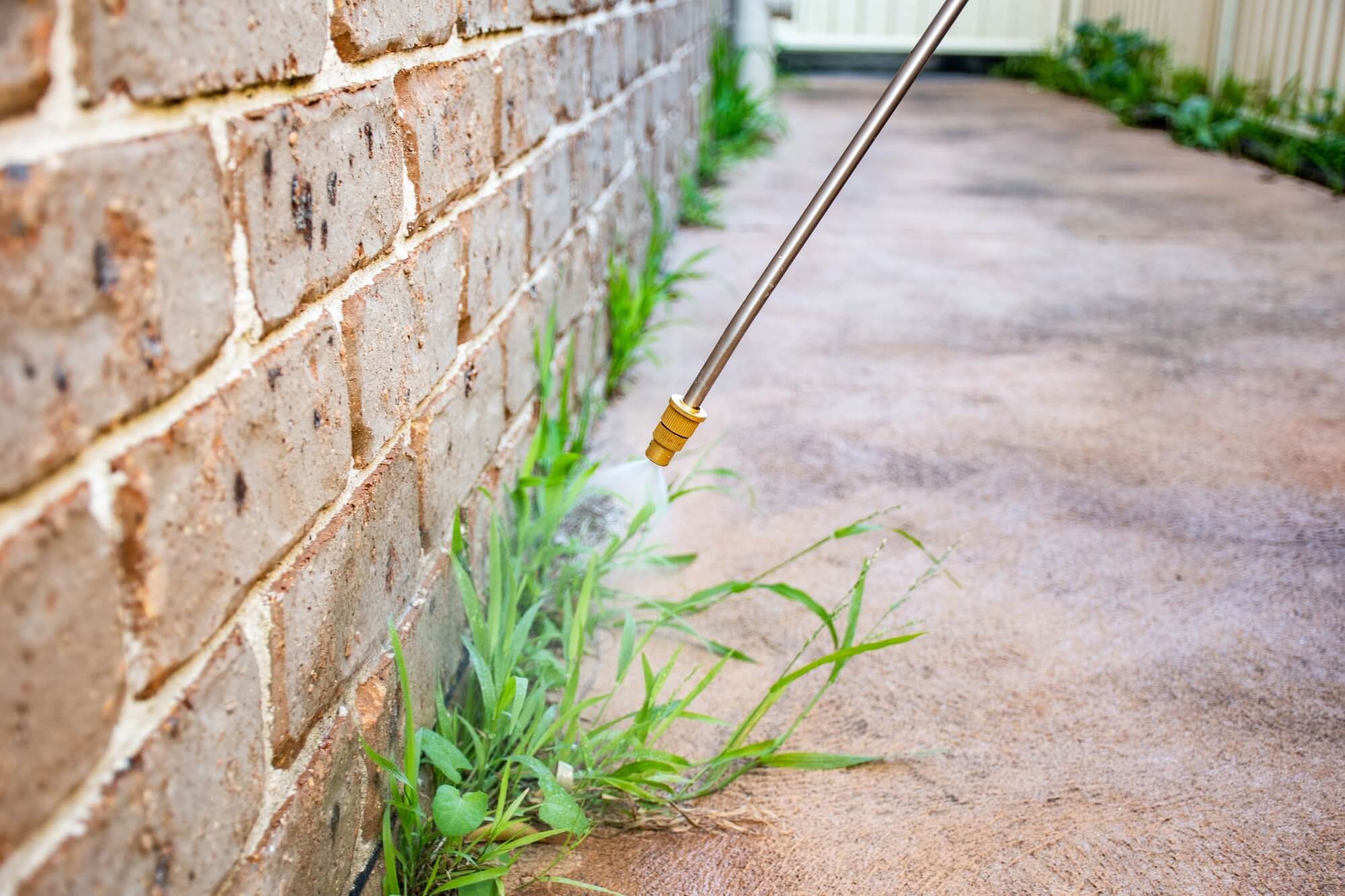
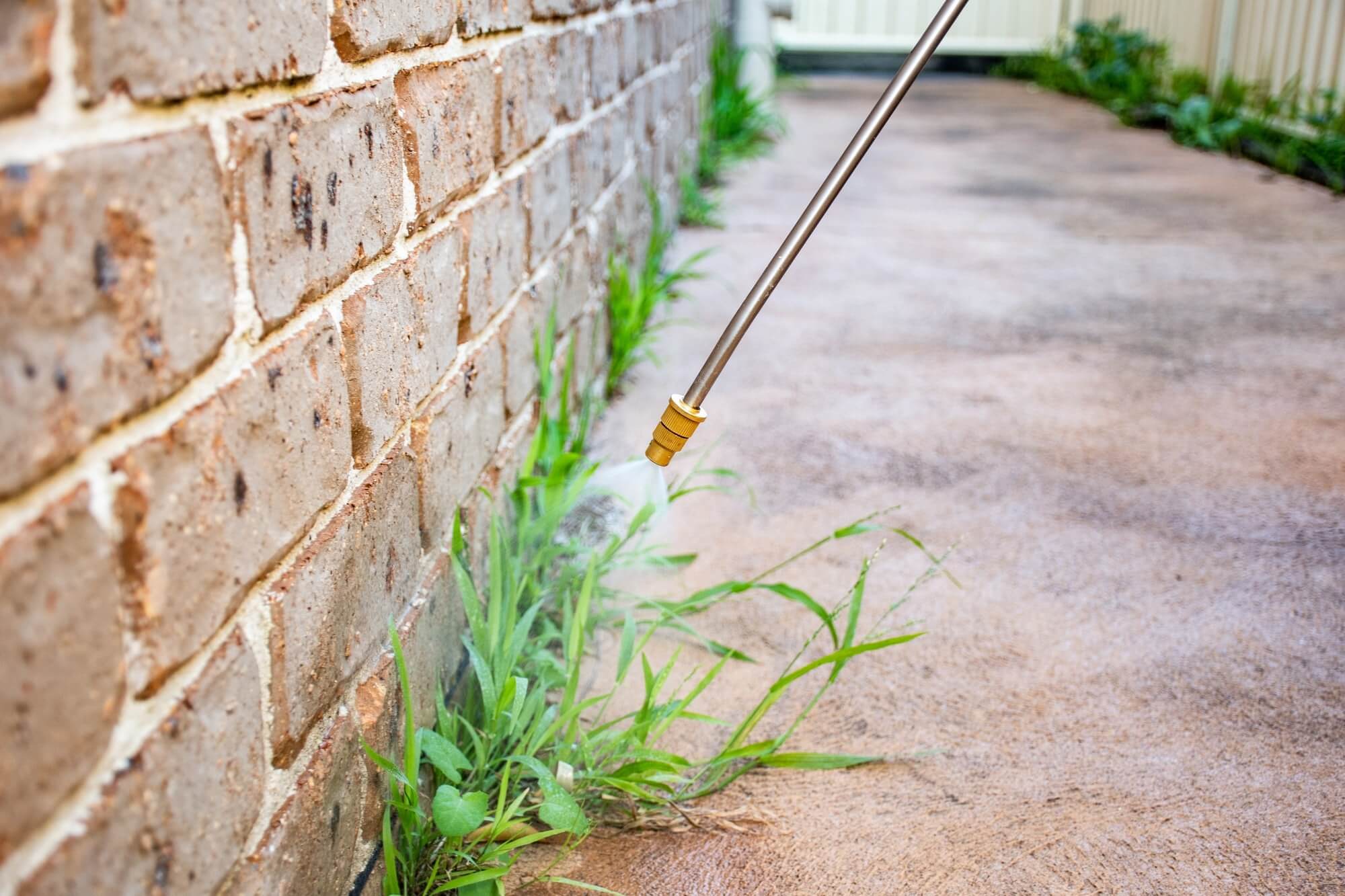
What works is not fogging the air. Adult mosquitoes spend the day resting somewhere shaded and humid, under decking, in dense shrubs, in tall grass, behind stacked material, and come out to feed at dawn and dusk. Treating those resting sites is what actually reduces the biting population, and it lasts, where a knockdown fog is gone by morning.
The other half is water you can actually do something about, and that's the part people underestimate. A mosquito goes from egg to biting adult in a week or two in this heat, and it only needs about a tablespoon of water. Saucers under pots, a sagging tarp, a clogged gutter, a forgotten wheelbarrow, an over-running drip line. On most properties the yard's own small water produces far more mosquitoes than the Marina ever will.
Sparks isn't one pest problem, and it isn't one treatment either. These are the parts of the city where this service does the most work, and why.
Sparks Marina & the East Side
89434
Seventy-seven acres of water with dense surrounding landscaping, which is breeding habitat and ideal adult resting habitat in the same place. There's no draining it, so the work here is resting-site treatment around the building and cutting off the small water on your own ground.
Deming Way & the Glendale corridor
89431
Riparian ground along the Truckee that stays damp in a valley where nothing else does. Shaded, humid cover close to moving water makes this a long-season pocket, and properties backing directly onto the corridor feel it from April into October.
Wingfield Springs & Kiley Ranch
89436
Golf-course turf, greenbelt ponds, and heavy summer irrigation. The water here is mostly small and managed, which is good news: a lot of it can be drained, re-timed, or treated rather than simply endured.
North Sparks & the Pyramid corridor
89441
Low ground that holds water after a wet winter, often on a neighbouring parcel rather than your own. A wet winter here reliably makes the following summer worse, and ground still holding water into June is the thing to look for.
High-desert pressure is seasonal and it's predictable. Knowing which window you're in is most of knowing what to book.
First hatchApril – May
Water warms enough for the first generation, usually right as irrigation systems come back on. Clearing standing water now, before anything is breeding in it, is worth more than any treatment later in the season.
Peak bitingJune – August
Heat shortens the egg-to-adult cycle to a week or two and populations compound. This is when recurring treatment does its work, and when an untreated yard near the Marina becomes genuinely unusable at dusk.
Tailing offSeptember – October
Cooling nights slow breeding and the season fades, though a warm September keeps it going. Worth one last look for water that has been sitting all summer somewhere nobody checks.
If the pests come back, so do we.
Free re-treats between scheduled visits, no questions, no extra invoice. That’s the Peak Promise.
“Heather was friendly and listened to my concerns. Even happier that she reported no activity at the bait stations and traps. Win-win!”
SB
Sheryl B.
Google review
“We had a small problem with black widows in the summer and Peak came out and treated our house. They did a wonderful job and we haven't had any problems with spiders since.”
RR
Rachel R.
Google review
“Kelly was very thorough removing old wasp nests and treating for spiders and ants. She even walked through the snow to reach the perimeter of our yard.”
MS
Madelyn S.
Google review
From our blog
More on mosquito control in Sparks
Written for northern Nevada specifically, not generic advice pulled from somewhere with a different climate.
Water softens soil, feeds growth, and creates damp pockets pests love. Here's how summer irrigation can quietly raise pest pressure, and how to water smarter.
Summer turns patios, decks, and yards into prime pest territory. Here's how to cut the food, water, and shelter that draw ants, spiders, wasps, and rodents outdoors.
Damp areas and tiny gaps give pests the water and access they need to move in. Here's how moisture and entry points invite infestations, and what to check.
Can you actually do anything if I back onto the Marina?
Yes, though be clear about what's being fixed. We can't treat the Marina itself, that's a city and county matter, and we won't pretend otherwise. What we can do is treat the shaded resting sites on your property where adults spend the day, treat or remove the standing water on your own ground, and run the perimeter on a tighter cycle through summer. On Marina-adjacent properties that's usually the difference between unusable at dusk and comfortable.
Why not just fog the yard before a party?
A knockdown fog works for about an evening. It kills the adults flying at the moment of application and offers essentially nothing afterwards, because new adults emerge continuously and more fly in from next door. If you have an event coming, a knockdown on the day on top of an already-treated yard is reasonable. On its own it's money for one night.
How little water does it take to breed mosquitoes?
About a tablespoon, which is the part that surprises people who assume the Marina is the whole story. Plant saucers, a sagging tarp, a clogged gutter, a kid's toy, a tyre, an unused wheelbarrow, the tray under an air conditioner. In this heat that goes from egg to biting adult in a week or two, and on most properties it out-produces the lake by a wide margin.
Is the treatment safe around pollinators?
It's applied to be. Treatment goes onto foliage and structure where mosquitoes rest, not onto anything in flower, and we apply outside peak pollinator activity. If you keep bees or have a pollinator garden you care about, point it out before the first visit and we'll route around it.
How much does mosquito control cost in Sparks?
Mosquito work runs as a seasonal add-on through the warm months rather than year-round, since there's nothing to treat in January. It's quoted on lot size and how much harborage and standing water the property has, after a walkthrough. Either way you get the number before any work starts, and there's no trip charge for Sparks: our office is about fifteen minutes from most addresses in the city, so it's a routine stop rather than a special trip.
What does a mosquito control visit in Sparks cover?
Every visit covers: inspection for breeding sites and standing water; treatment of shaded resting sites, shrubs, and under decks; larvicide in water that can't be drained; recurring treatment through the warm months. What changes by address is the weighting. Sparks Marina & the East Side and Deming Way & the Glendale corridor are two different jobs, so the technician decides on site where the time is best spent rather than running the same checklist everywhere.
Free Estimate
Ready to reach peak pest-free living?
Tell us what’s bugging you and we’ll get back to you fast with a free quote, usually the same day.