Ants are the single most common call we get in Reno, and the reason they're so persistent has nothing to do with how clean your kitchen is. In a high desert, ants move on water first and food second, which is why trails appear along foundations the week the irrigation comes on in May and why they show up in bathrooms and under sinks during the driest stretch of August. Spraying the visible trail kills foragers and triggers the colony to split and re-route, which is how a small problem becomes two.
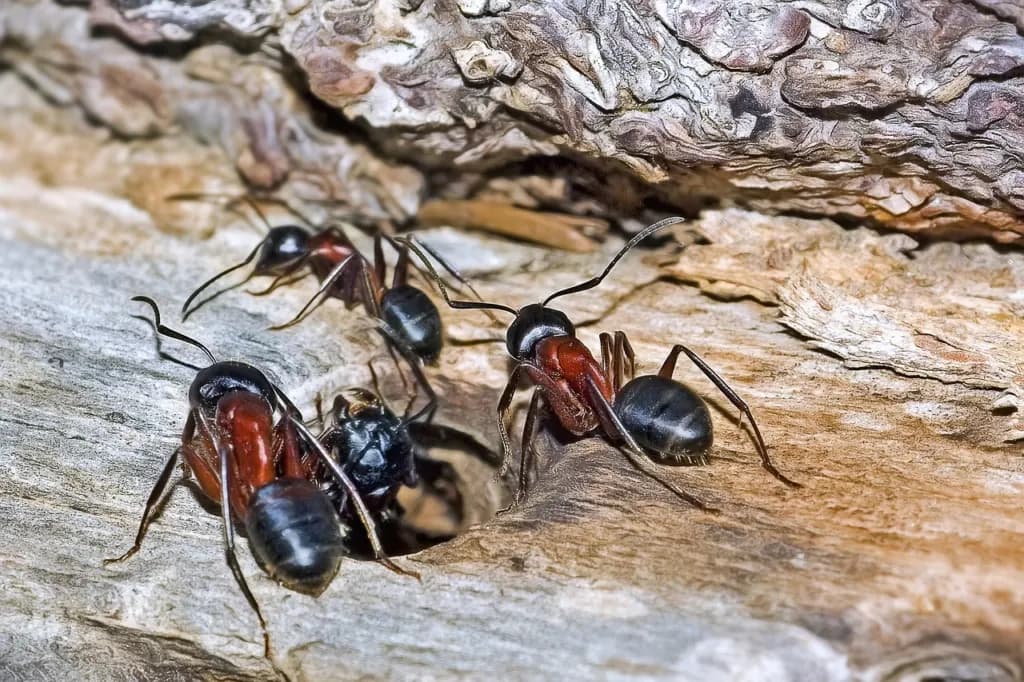
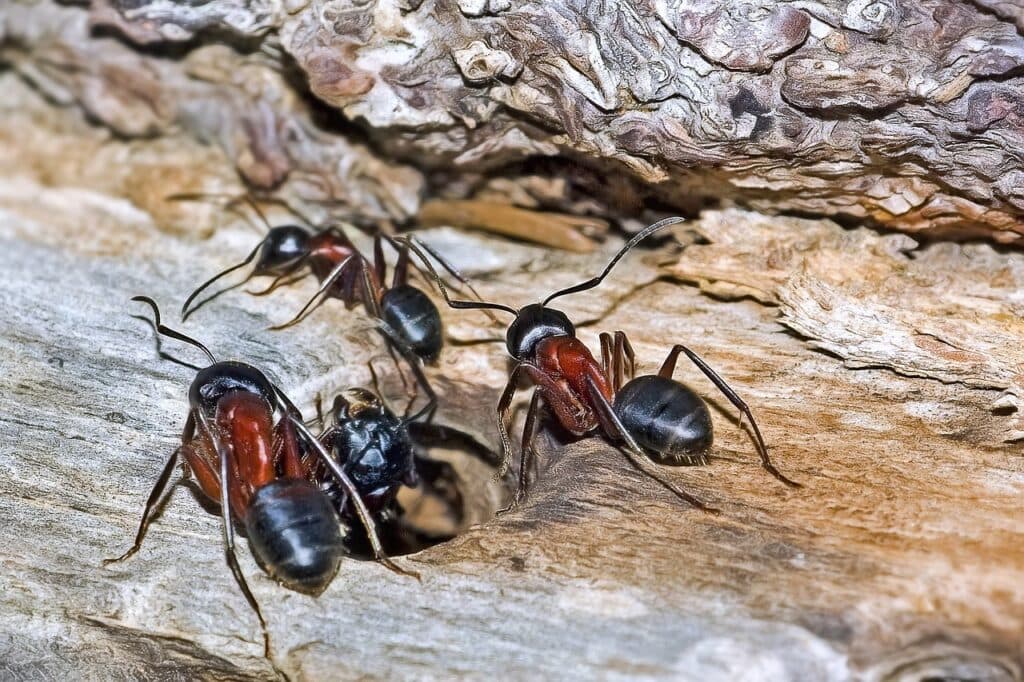
Species matters here more than people expect. Pavement ants coming up through a slab crack want a different approach from odorous house ants trailing in off landscaping, and carpenter ants in the Old Southwest and Caughlin Ranch are a structural conversation rather than a nuisance one, because they nest in damp or decaying wood inside the building. We identify what we're dealing with before we treat, since the bait that works on one is ignored by another.
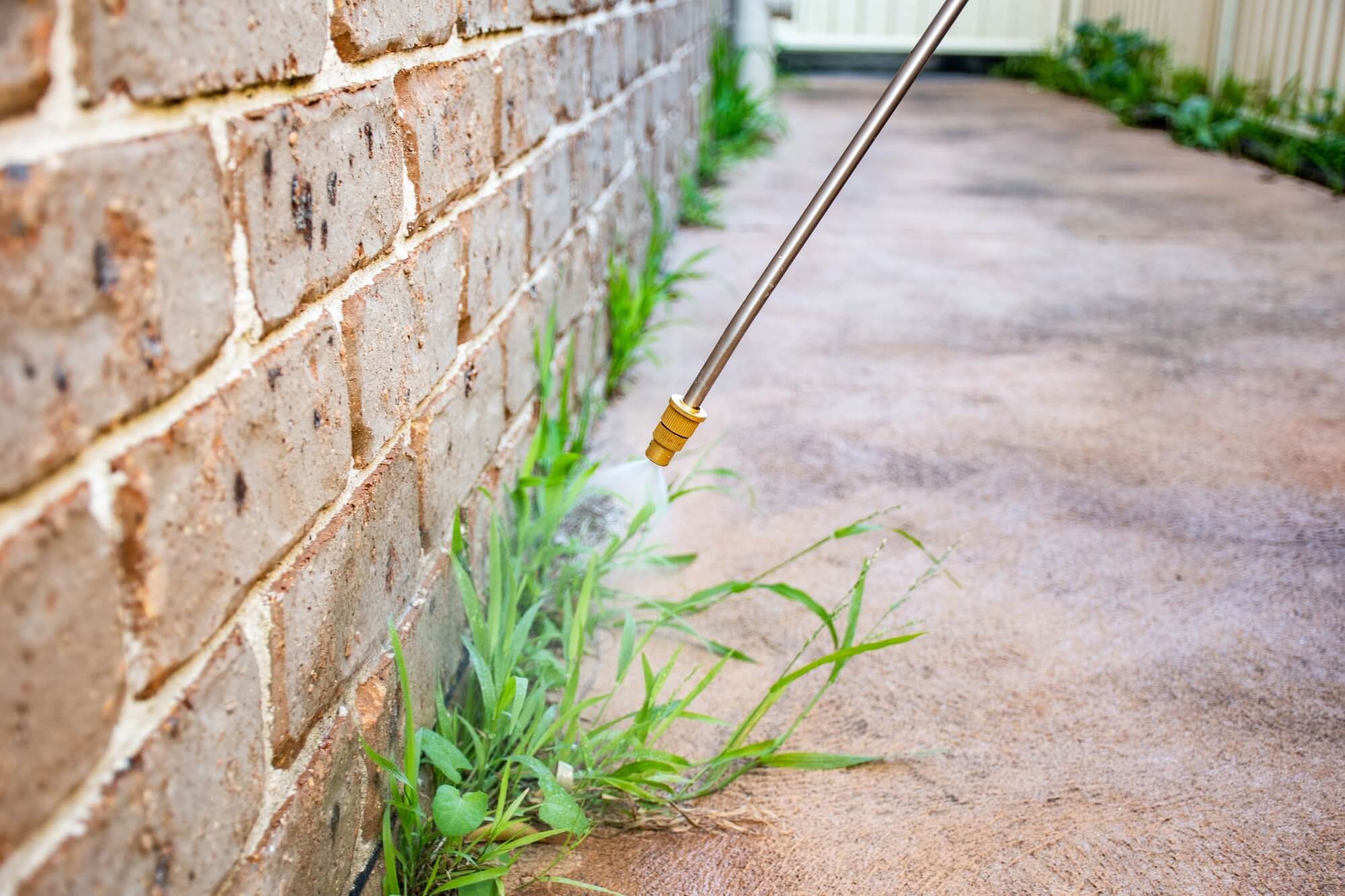
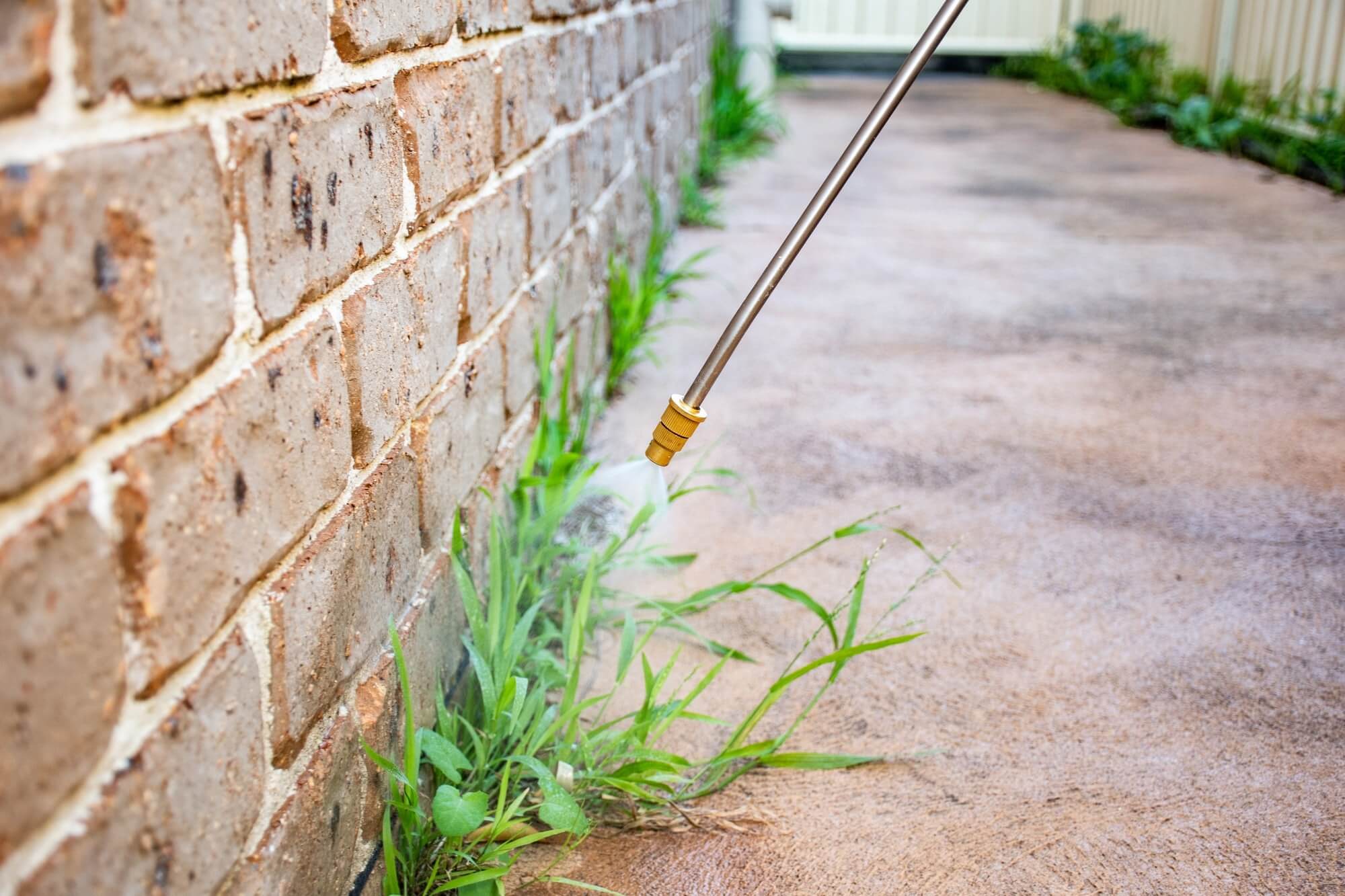
The method is boring and it works: identify the species, place a bait the workers will carry back and feed to the colony, treat the entry point and the exterior harborage, and break the trail at the foundation. Then leave it alone long enough for the bait to do its job, which is the part DIY usually gets wrong.
Reno isn't one pest problem, and it isn't one treatment either. These are the parts of the city where this service does the most work, and why.
Midtown & the Old Southwest
89509
Foundation cracks and mature trees with limbs resting on the roofline give ants two separate ways in, and the unsealed stone and brick means the first one is always open. This is also where carpenter ants turn up most, in damp framing and old roof-leak damage rather than in the kitchen.
Caughlin Ranch & the Southwest
89519
Riparian ground along the Truckee with heavy landscaping and irrigation running most of the year. Constant moisture in a valley where nothing else is damp makes this the most reliably ant-active part of Reno, and the one where trails appear earliest in spring.
Damonte Ranch & Double Diamond
89521
Sealing on these builds is usually good, so ants aren't exploiting the structure, they're working in from the landscaping. Trails run from irrigated beds and greenbelt straight to the slab edge, which means the fix is outside in the yard rather than under the sink.
University & Old Northwest
89503
Aging rentals with high turnover, shared kitchens, and pantry access that changes every August. Ant pressure here tracks occupancy more than weather, and the vacancy gap between tenants is by far the best window to treat and seal in.
High-desert pressure is seasonal and it's predictable. Knowing which window you're in is most of knowing what to book.
Irrigation wake-upMarch – May
The first sustained warm stretch brings colonies back to the surface, and because they follow water, the week your sprinklers come on is usually the week trails appear along the foundation. Treating before that rather than after is the difference between prevention and clean-up.
The dry push indoorsJune – August
Reno summers run dry enough that ants come inside for moisture rather than food. Kitchens, bathrooms, and anywhere with a slow drip are where you'll see it first, and a leaking hose bib or an over-running drip line is behind a surprising share of August calls.
The late surgeSeptember – October
Colonies foraging hard before the cold, often in homes that were quiet all summer. It's brief and it catches people off guard, and it's the last chance to knock a colony down before it overwinters somewhere warm.
If the pests come back, so do we.
Free re-treats between scheduled visits, no questions, no extra invoice. That’s the Peak Promise.
“Devan explained what product he was using for ant control and how it worked. I appreciated how polite and friendly he was.”
SS
Steve S.
Google review
“If I could give 100,000 stars I would! Gabe, Mikayla, and Devan took great care of us and we're already seeing progress against the ants. Fair pricing, fast scheduling, and friendly service.”
CS
Caileigh S.
Google review
“Best pest control company I have ever worked with. Peak took great care of my ants and my place.”
BA
Bella A.
Google review
From our blog
More on ant control in Reno
Written for northern Nevada specifically, not generic advice pulled from somewhere with a different climate.
A thin line of ants on the counter is just the visible part of a much larger colony. Here's what spring ant trails reveal, and why pros target the source.
As nights cool, ant colonies shift toward warmth, food, and shelter, often indoors and out of sight. Here's the fall ant activity homeowners tend to miss.
Why do the ants come back a few days after I spray them?
Because the ants you can see are foragers, a small fraction of the colony, and the nest is somewhere you can't reach. Contact spray kills the visible ones and leaves the queen and the brood entirely untouched, and with many species it also causes the colony to split and open new trails, which is why the problem often comes back bigger. Bait works the other way around: the foragers carry it home and feed it to the colony, so it takes a few days longer and actually ends the thing.
I've got big black ants indoors in winter. Is that carpenter ants?
Quite possibly, and it's worth an inspection rather than a spray. Carpenter ants don't eat wood, they excavate damp or decaying wood to nest in, so seeing large ants indoors during the cold months usually means a nest already inside the structure rather than something that wandered in. In Reno we find them most in the Old Southwest and along the Truckee corridor, and the cause is almost always a roof leak, old decking, or a woodpile stacked against the house.
Will treating the yard stop ants getting in?
In south Reno and the newer HOAs, mostly yes, because that's where the colonies actually are. Damonte Ranch, Double Diamond, and ArrowCreek homes are sealed well enough that the trail is the whole problem, and breaking it at the beds and the slab edge solves it. In older parts of the city it's only half the answer, because the foundation itself gives them a way in that landscaping treatment doesn't touch.
How long before the trails stop?
Usually three to seven days with baiting, and the trail often looks busier for the first day or two before it drops off. That's the treatment working, more foragers recruiting to the bait and carrying it back. The most common way people lose a successful ant treatment is spraying that busy trail on day two, which kills the delivery system.
How much does ant control cost in Reno?
Ant work is usually handled inside a recurring plan rather than as a one-off, because a colony treated once in May is a different colony by August if nothing is holding the perimeter. Most Reno homes sit on one of our monthly plans: Pest Control at $65/mo (quarterly service), Pest + Weed at $125/mo (bi-monthly service), or Complete Property at $170/mo (bi-monthly service). Larger properties or heavy infestations can run higher, and we'll quote that up front after a free inspection.
What does an ant control visit in Reno cover?
Every visit covers: species ID and nest/entry-point inspection; targeted baits, applied per label, that reach the colony; exterior perimeter treatment; free re-treats if the trail returns. What changes by address is the weighting. Midtown & the Old Southwest and Caughlin Ranch & the Southwest are two different jobs, so the technician decides on site where the time is best spent rather than running the same checklist everywhere.
Free Estimate
Ready to reach peak pest-free living?
Tell us what’s bugging you and we’ll get back to you fast with a free quote, usually the same day.