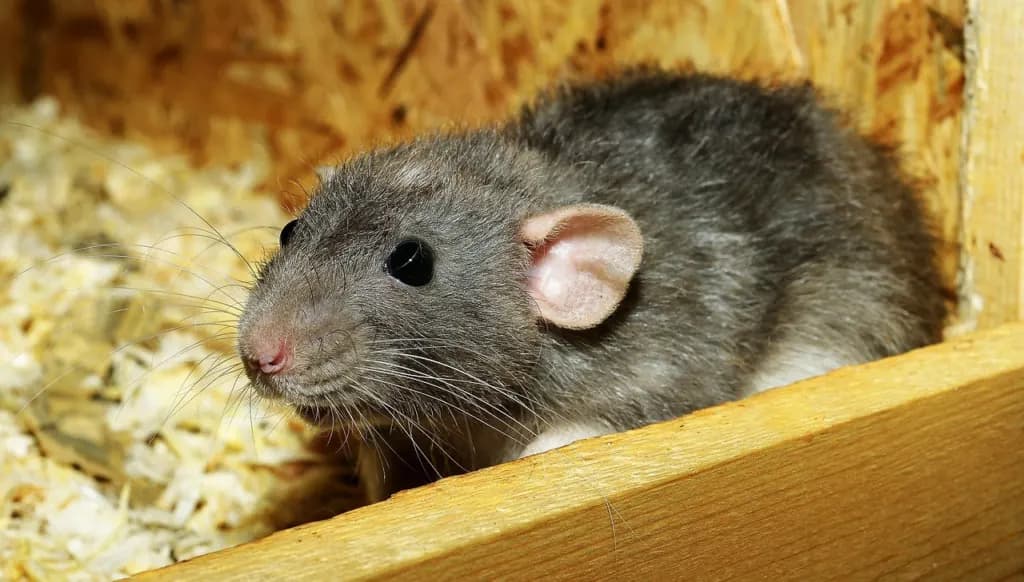
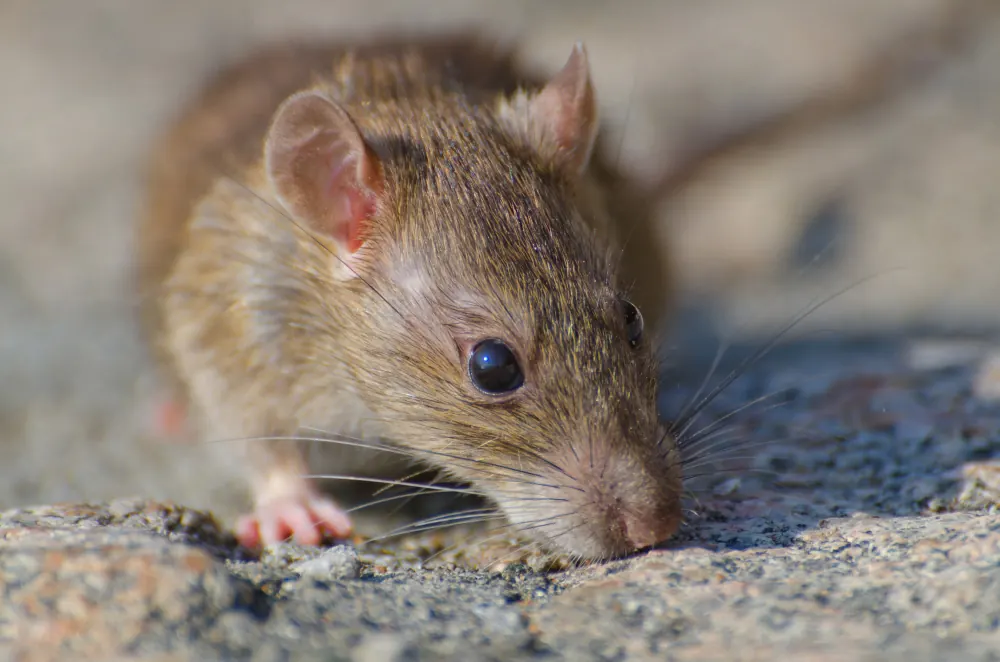
Rodents choose harborage on three criteria: it must be dark and enclosed, undisturbed by people, and within reasonable distance of food and water. In a typical home, that describes a fairly short list of places.
Working through them systematically turns "I think I heard something" into an actual finding.
The Attic
The most common location in northern Nevada homes, and the one that goes unchecked longest.
Attics offer everything: warmth rising from the living space, deep insulation for nesting, complete darkness, no human traffic for months at a time, and roofline access points.
What to look for:
- Trails and tunnels through blown insulation
- Droppings concentrated along joists and beams
- Shredded insulation, paper, or fabric gathered into nests
- Gnaw marks on wiring and framing
- Rub marks along beams and rafters, appearing as dark greasy smudges
- Urine staining, visible under UV light
Roof rats in particular are attic specialists and may never appear at ground level, which is why homeowners report sounds overhead but find nothing in the kitchen.
Wall Voids
Rodents travel wall cavities as a highway system and nest inside them.
You cannot inspect these directly, so you rely on indirect evidence: scratching or scurrying sounds inside walls, particularly at night, gnaw holes at baseboards, droppings appearing at wall junctions, and a musky odor concentrated along a specific wall.
Voids around plumbing chases and utility runs are used most heavily, because they provide vertical movement between floors.
The Garage
Consistently underestimated.
Garages combine an entry point that opens several times a day, stored material providing harborage, often pet food or birdseed, and comparatively little human presence.
Check behind and inside stored boxes, along wall junctions, inside stored appliances, in stacked material, behind shelving, and under and inside vehicles. Engine compartments are a genuine rodent nesting site and an expensive one.
Kitchen Voids
Not the visible kitchen. The spaces behind it.
- Under and behind the refrigerator, where the motor provides warmth
- Beneath and behind the dishwasher and oven
- Inside the toe kick space under cabinets
- The back of lower cabinets, particularly corner cabinets
- Under the sink, around plumbing penetrations
- Inside the pantry, at the back and along the floor
The combination of warmth from appliances, food access, and plumbing moisture makes this the most attractive interior zone in most homes.
Crawl Spaces And Basements
Cool, dark, damp, and rarely entered. Crawl spaces in particular often have vents or access doors that are damaged or missing screens.
Look along the perimeter, in insulation between floor joists, around plumbing and ductwork, in stored material, and in the vapor barrier, which rodents tear up for nesting.
Utility And Laundry Areas
Water heaters and furnaces provide steady warmth. Laundry areas provide moisture and lint, which is prime nesting material.
Check behind and under the water heater, inside the furnace closet, behind the washer and dryer, in the dryer vent line, and inside any adjacent cabinetry.
Stored Furniture And Boxes
Anywhere undisturbed storage accumulates. Rodents nest inside upholstered furniture, in boxes of clothing and linens, in seasonal decorations, and in stored paper.
The tell is usually chewed cardboard edges and shredded material.
Exterior Harborage Near The Structure
Where the population lives before it moves in.
- Woodpiles, especially against a wall
- Dense shrubs and groundcover touching the foundation
- Stored materials, pallets, and equipment
- Under decks and sheds
- Abandoned burrows in landscaping
- Compost bins and unsecured trash areas
- Vegetation contacting the roof, which provides access for climbing species
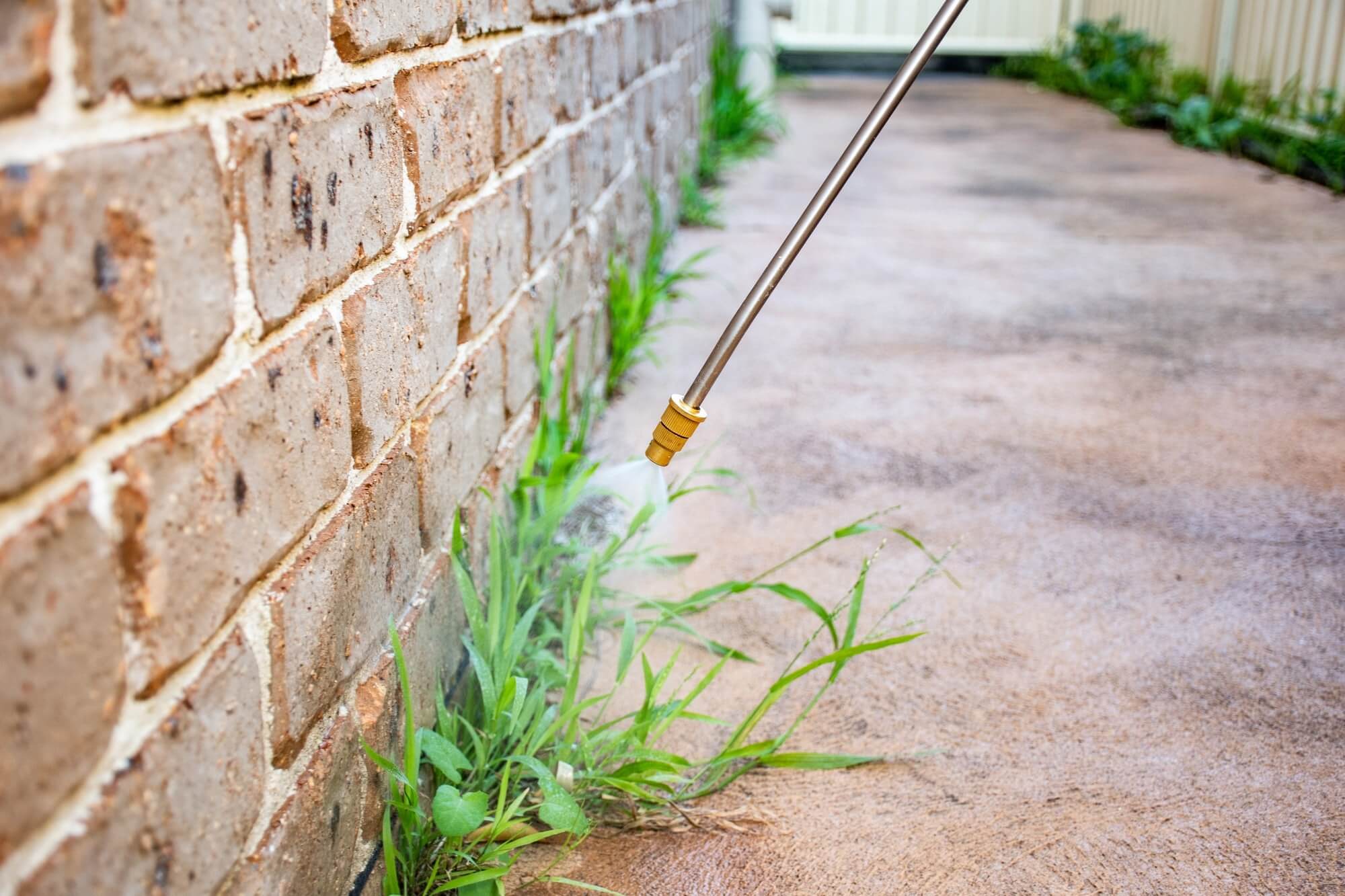
Clearing this band reduces indoor pressure more than almost any other single measure.
What The Evidence Tells You
Droppings. Size indicates species: mouse droppings are rice-grain sized, rat droppings are considerably larger. Fresh droppings are dark and soft; old ones are gray, dry, and crumble.
Rub marks. Dark greasy smudges along walls, beams, and pipes, from oils in the fur. They indicate established, repeated routes and are one of the more useful findings.
Gnaw marks. Fresh gnawing is light colored and shows clean edges. Older gnawing darkens.
Nesting material. Shredded paper, insulation, fabric, or plant material gathered into a mass. Finding a nest tells you the population is established rather than transient.
Odor. A persistent musky, ammonia-like smell means an active and usually substantial population.
Sound. Scratching, scurrying, or gnawing, most often at night. Note the location and time.
Pet behavior. Persistent interest in a specific wall, cabinet, or appliance is worth investigating.
How To Inspect
Work in the dark with a strong flashlight held at a low angle, which makes rub marks and trails in dust far more visible. Start with the attic and garage, then work through kitchen voids and utility areas. Follow evidence outward toward the exterior to find the entry point.
If you find droppings or nesting material anywhere in your Reno or Sparks home, contact Peak Pest Control at (775) 446-6199. We will inspect the areas you cannot easily reach and seal the access they are using.
Dealing with this pest at your place?
Peak serves Reno, Sparks, and northern Nevada with free inspections and a re-treatment guarantee. Get an honest quote, no pressure.
Aspen Chournos
Aspen Chournos writes about high-desert pest pressure and prevention for homes and businesses across Reno, Sparks, and northern Nevada.