Not every pest problem needs a professional, and rodent work has a genuine do-it-yourself component. Being straight about where the line falls is more useful than claiming everything requires a service call.
What DIY Handles Well
Basic trapping. Snap traps are effective, inexpensive, and available anywhere. For a small mouse problem in an accessible area, a homeowner who places traps correctly, perpendicular to walls, in runways, near rub marks, will get results.
Sanitation and food security. Moving dry goods to sealed containers, securing pet food and birdseed, cleaning up spills. No expertise required and it genuinely limits what a structure can sustain.
Clutter and harborage reduction. Clearing garages, elevating storage, removing cardboard, moving woodpiles away from the structure.
Exterior habitat work. Trimming vegetation off walls and roof, clearing a perimeter band, moving stored material away from the building.
Accessible sealing. Door sweeps, visible foundation cracks, gaps around a hose bib. If you can reach it safely and see it clearly, sealing it properly with copper mesh and sealant is straightforward.
That list covers a real portion of the work, and doing it well makes a difference.
Where DIY Usually Falls Short
Finding the entry points. This is the main one. Exclusion only works if you find all of them, and a mouse needs a quarter inch. The gaps that matter are frequently at the roofline, in soffit and fascia junctions, at vent terminations, and in places that require a ladder and knowing what to look for.
Homeowners typically seal the openings they can see from the ground and miss the ones being used. The result is trapping that works temporarily and a problem that returns.
Attics and crawl spaces. Both the highest-value inspection areas and the least accessible. Attics require moving through insulation without stepping through a ceiling. Crawl spaces are confined, often contaminated, and carry genuine health risk. Neither is a casual inspection.
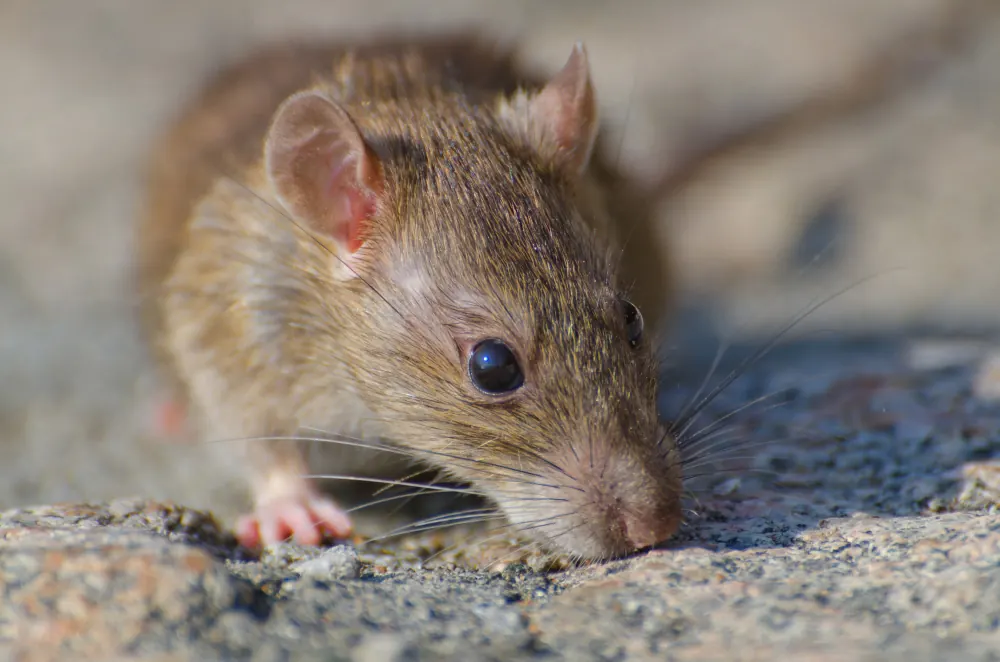
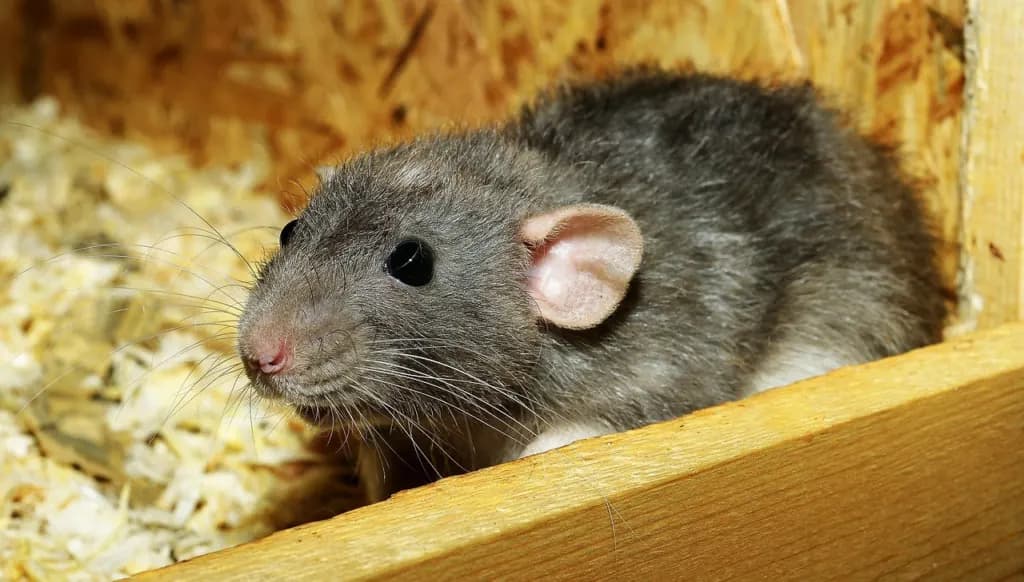
Species identification. Roof rats, Norway rats, house mice, and deer mice differ in where they travel, how they are trapped, and how they should be handled. Treating a roof rat problem with ground-level trapping largely misses.
Reading the evidence. Distinguishing fresh droppings from old, recognizing rub marks, identifying travel routes, telling active gnawing from historical. This is what tells you whether a population is current and where it is working.
Durable sealing at scale. Knowing that expanding foam alone fails, that steel wool rusts, that hardware cloth needs to be quarter inch or finer, and how to close a soffit gap so it holds. Materials matter more than effort.
Contaminated cleanup. Droppings and nesting material carry health risk, and dry sweeping or vacuuming aerosolizes particles. Enclosed spaces with heavy contamination are the highest-exposure environments and the hardest to ventilate.
The Mistakes That Cost Most
Sealing before removing. The single most common and most expensive error. Seal a structure with rodents inside and you have trapped them. They die in wall voids, which produces a smell that lasts weeks and attracts secondary pests.
Order matters: inspect, trap, confirm removal, then seal.
Using rodenticide indoors. Bait works, but a poisoned rodent dies wherever it happens to be, frequently inside a wall. It also carries real secondary risk to pets and wildlife. Most professionals are cautious with interior bait for exactly these reasons, and a homeowner using it casually is taking on a problem they did not anticipate.
Relying on ultrasonic repellers. No credible evidence supports them. They are the most reliably wasted money in this category.
Foam as a barrier. Rodents chew straight through expanding foam. It is a filler, not a seal.
Stopping at trapping. Traps remove the current occupants. If the entry points remain open, you will be trapping again next fall.
Treating a rat problem as a mouse problem. Rats are warier of new objects, take longer to trap, and require different placement and patience.
An Honest Split
Reasonable to handle yourself: a small number of mice in an accessible area, in a home you can inspect, where you can find and reach the entry points, and where you are willing to do the sealing properly.
Worth calling for: any rat activity, activity in an attic or crawl space, a population that returns after trapping, evidence of gnawed wiring, significant contamination, a structure with extensive or hard-to-reach access points, or any situation where you have trapped and the activity continued.
Also worth calling if you simply do not want to spend a weekend in a crawl space, which is a legitimate reason.
Where The Value Actually Sits
If you hire someone, the value is not in the traps. It is in a thorough inspection of the areas you cannot easily reach, accurate identification, finding the entry points you would have missed, and sealing them with materials that hold.
That is why exclusion should be part of the job rather than an upsell afterward. A rodent service without exclusion is a service you will buy again.
If you have tried trapping and the activity keeps returning, that is the signal that entry points remain open. Contact Peak Pest Control at (775) 446-6199 and we will find them.
Dealing with this pest at your place?
Peak serves Reno, Sparks, and northern Nevada with free inspections and a re-treatment guarantee. Get an honest quote, no pressure.
Aspen Chournos
Aspen Chournos writes about high-desert pest pressure and prevention for homes and businesses across Reno, Sparks, and northern Nevada.