Sheds get overlooked in rodent work, which is unfortunate, because a shed is frequently where the population establishes before anyone notices anything in the house.
They are ideal from a rodent's perspective: undisturbed for weeks at a time, full of harborage, usually poorly sealed, often containing food in the form of birdseed or pet supplies, and located a short trip from the main structure.
Why Fall Matters
Rodent behavior changes as nights get cold. Through summer, populations live and breed outdoors. As temperatures drop, they begin looking for enclosed shelter with a food supply.
In northern Nevada that shift happens roughly September through November. A shed sealed in September stays empty. A shed sealed in December has whatever moved in already locked inside.
The sequence matters: inspect, remove any existing population, then seal. Sealing first traps animals in the structure.
Start By Emptying It
You cannot inspect or seal a shed that is full. This is the part people skip, and it is the part that makes the rest work.
Take everything out. As you do, check for:
- Droppings, particularly in corners and along walls
- Shredded paper, fabric, or insulation gathered into nests
- Gnaw marks on stored items and on the structure
- Rub marks, appearing as dark greasy smudges along walls and shelving
- Chewed packaging on anything edible
An empty shed also lets you see daylight through gaps, which is the fastest way to find entry points.
Seal The Structure
Sheds have predictable weak points.
The floor-to-wall junction. The most common entry on wood-framed sheds, especially where the floor has settled or the sill has rotted. Check the full perimeter from inside.
Under the floor. Sheds on skids or blocks have an open crawl space underneath, which is prime harborage. Skirting the perimeter with hardware cloth, buried a few inches into the soil, closes it off.
Door gaps. Shed doors are rarely tight. Fit a sweep and check the sides and top. If you can see light, it is an entry.
Vents and windows. Screen with hardware cloth at quarter inch mesh or finer. Standard window screen will not survive gnawing.
Corners and seams. Panel joints, especially on prefabricated metal and resin sheds, frequently leave gaps.
Utility penetrations. Any electrical or water line entering the shed.
Roofline and gable ends. Particularly on peaked roofs where the sheathing meets the wall.
Materials that work: hardware cloth, copper mesh or stainless steel wool packed into gaps, sheet metal over chewed edges, and sealant over the top. Expanding foam alone does not work, because rodents chew straight through it.
Remove What Attracts Them
Sealing helps. Removing the reason to try helps more.
Birdseed is the big one. It is the single most common rodent attractant in a residential shed and it is almost always stored badly. Move it to a metal container with a tight lid, or a heavy-duty plastic bin rated for it. A paper bag on a shelf is an invitation.
Pet food, grass seed, fertilizer, and bulbs all belong in sealed hard containers for the same reason.
Soft goods. Cushions, tarps, old clothing, rags, and upholstered items are nesting material. Store them in sealed bins rather than loose.
Cardboard boxes. Both harborage and nesting material. Replace with plastic bins with locking lids.
Paper and stored documents. Same problem.
Reduce Harborage Inside And Out
Inside: get everything off the floor and onto shelving. Leave a clear gap between stored material and the walls so you can see the perimeter. Avoid stacking anything directly against a wall, since that creates a protected runway.
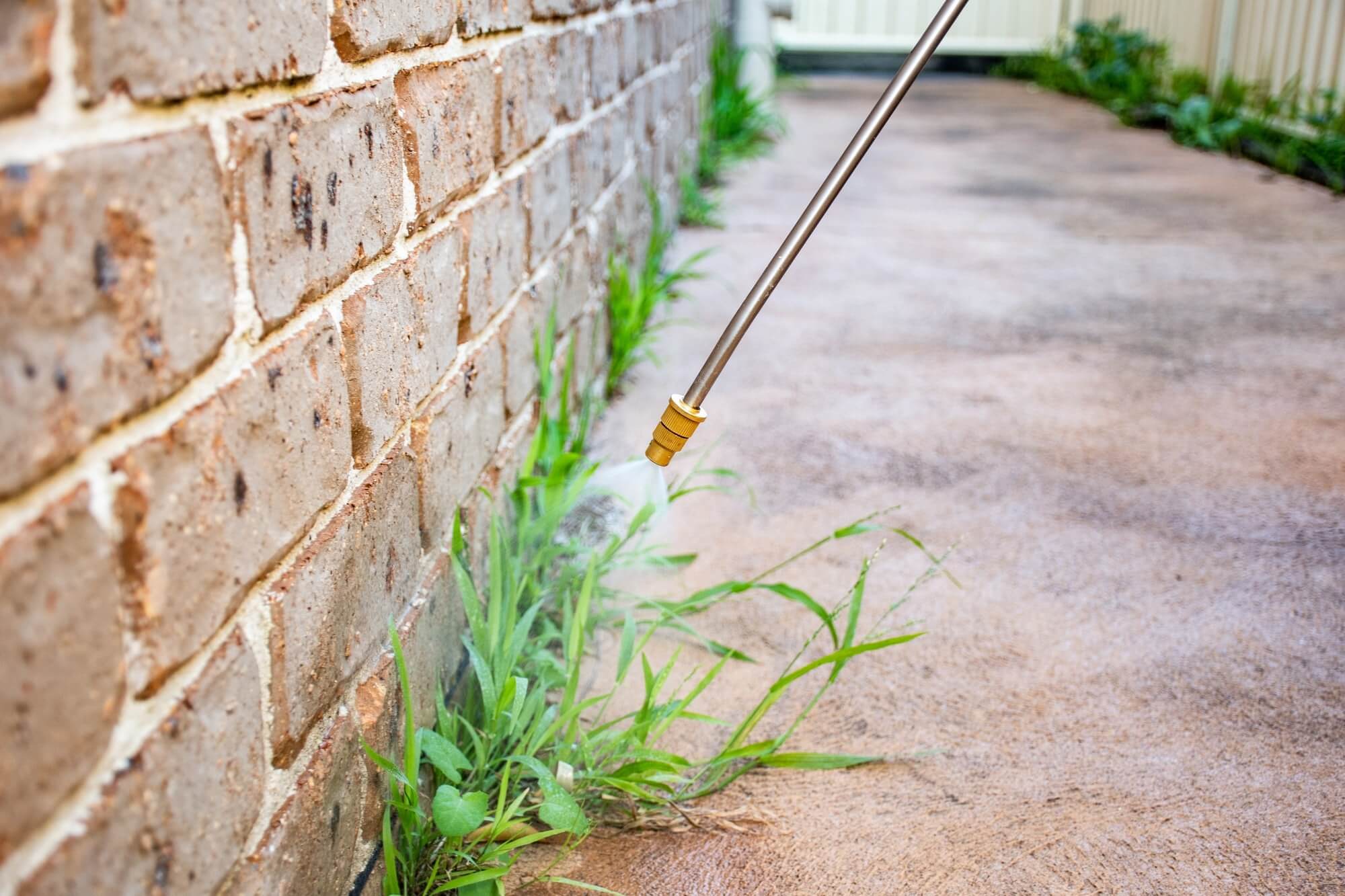
Outside: clear a band around the shed. Remove weeds, dense groundcover, stacked material, and debris from against the walls. Move woodpiles away from the shed, not just away from the house, and keep them elevated.
Vegetation touching a shed does exactly what it does to a house: it provides cover right up to the entry point and hides the gaps from you.
Set Monitors
Once the shed is cleared and sealed, place a few snap traps or monitors along the walls, particularly in corners. Check them periodically through fall.
This tells you whether the sealing worked. Captures after sealing mean you missed an entry point, which is much better to learn in October than in March.
Why This Protects The House
A shed with an established rodent population is a reservoir. The population grows there through fall, and as conditions get harder or the population outgrows the space, animals move toward the next best option, which is your house.
Sealing the shed removes the staging area. It is one of the higher-leverage things you can do for the main structure, and it gets ignored because a shed feels like a low-stakes building.
While You Are Out There
The same fall window applies to the house. Roofline gaps, vent screening, utility penetrations, and garage door seals should be done now, before the first cold nights.
If you want the whole property looked at, contact Peak Pest Control at (775) 446-6199. We will inspect the outbuildings along with the house and seal what needs it before winter.
Dealing with this pest at your place?
Peak serves Reno, Sparks, and northern Nevada with free inspections and a re-treatment guarantee. Get an honest quote, no pressure.
Aspen Chournos
Aspen Chournos writes about high-desert pest pressure and prevention for homes and businesses across Reno, Sparks, and northern Nevada.