
Most people picture rodent control as trap placement. That is the visible part, and it is the least important one. Traps remove the animals currently inside. They do nothing about the openings that let those animals in, which is why homeowners who only trap end up trapping again every winter.
Here is what a thorough job actually involves.
Step One: Inspection
This is where most of the value sits, and it takes longer than people expect.
A technician is building a picture of three things: what species is present, where it is living, and how it got in. That means working through the areas rodents actually use rather than the areas people notice them in.
- Attic, including insulation surface and along wiring runs
- Crawl space and subfloor
- Garage, especially wall junctions and stored material
- Kitchen and utility areas, behind and under appliances
- The full exterior perimeter at ground level and roofline
- Utility penetrations, vents, and roof junctions
The evidence being read is droppings, urine staining, rub marks along travel routes, gnaw damage, nesting material, and tracks in dust. Droppings tell you species and how recent the activity is. Rub marks tell you the established routes. Gnaw marks tell you where they are working.
You should get a clear account of what was found and where. If an inspection produces only a quote and no findings, that is a poor sign.
Step Two: Species Identification
It matters more than it sounds.
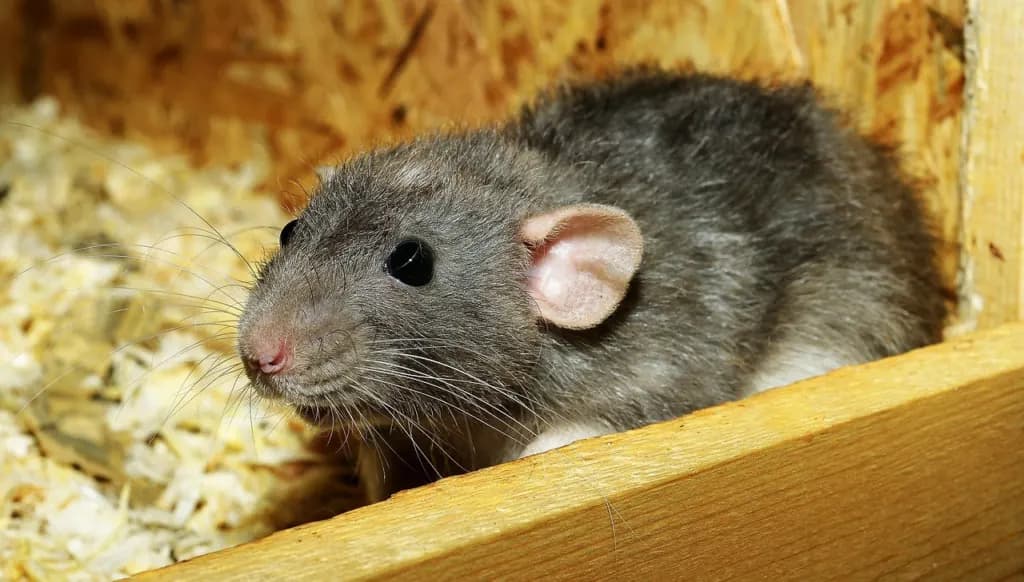
House mice stay close to their nest, often within a small radius, and are curious about new objects. That makes them relatively easy to trap but means multiple placements are needed.
Deer mice are common in northern Nevada and carry additional health considerations, which changes how droppings and nesting material should be handled.
Roof rats travel overhead, use utility lines and branches, and nest high. Ground-level trapping largely misses them.
Norway rats stay low, burrow, and are notably wary of new objects, which means trapping takes longer and placement has to be more careful.
Identification drives everything downstream: where traps go, what size exclusion material works, and where to look for entry.
Step Three: Trapping And Removal
Snap traps remain the standard for most residential work. They are fast, verifiable, and produce a body you can account for.
Placement matters far more than quantity. Rodents travel along walls and edges rather than crossing open floor, so traps go perpendicular to walls, in runways, near rub marks, and at entry points, not scattered in the middle of a room.
You should expect several visits. Trapping is monitored and adjusted based on what is caught and where, and a technician who sets traps once and disappears is not doing the job.
On rodenticides: a reasonable professional will be cautious about them in a home, particularly one with pets or children, and especially in interior spaces where an animal can die inside a wall. If bait is used, it should be in tamper-resistant stations and there should be a clear reason for it.
Step Four: Exclusion
This is the part that determines whether the problem comes back.
A mouse fits through a gap around a quarter inch. A rat needs about half an inch. That is smaller than most people believe, and it means the openings being sealed are often ones a homeowner would walk past.
Common entry points around Reno-area homes:
- Gaps at the roofline, where fascia meets soffit
- Vent openings without adequate screening
- Utility, plumbing, and HVAC penetrations
- Gaps at and under garage doors
- Foundation cracks and expansion joints
- Chimney and flashing gaps
- Crawl space access doors and vents
Material matters. Steel wool, copper mesh, hardware cloth, and sealant hold up. Expanding foam alone does not, because rodents chew straight through it. Foam is fine as a filler behind mesh, not as the barrier itself.
Exclusion is the single best predictor of whether you will need service again next year.
Step Five: Sanitation And Cleanup
Droppings, urine, and nesting material carry health risk and should not be dry swept or vacuumed, which aerosolizes particles.
Proper handling means ventilating the area, wetting material with a disinfectant before removal, using appropriate protection, and disposing of it sealed. Contaminated insulation sometimes needs replacement.
There is also a pest reason to clean thoroughly: rodent scent marking attracts other rodents to the same routes. Removing it reduces the odds of a repeat.
Step Six: Follow-Up And Monitoring
Expect at least one return visit to check traps, confirm activity has stopped, and verify the exclusion work is holding.
For properties with ongoing pressure, which describes a lot of northern Nevada homes near open ground, periodic monitoring makes sense. Rodent pressure is seasonal and external conditions change.
What Good Work Looks Like
- A written account of findings, not just a price
- Species identified rather than assumed
- Exclusion included, not offered as a separate upsell after trapping
- Durable materials used for sealing
- Scheduled follow-up
- Clear guidance on sanitation
- Honest discussion of what you can address yourself
Realistic Timeline
A straightforward mouse problem in a well-sealed home often resolves in two to three weeks. Larger infestations, rats, or structures with extensive access can take six weeks or more.
Anyone promising same-day elimination is describing trap placement, not rodent control.
If you are hearing activity or finding droppings in your Reno or Sparks home, contact Peak Pest Control at (775) 446-6199. We will inspect thoroughly, tell you what we find, and seal the structure so it does not repeat.
Dealing with this pest at your place?
Peak serves Reno, Sparks, and northern Nevada with free inspections and a re-treatment guarantee. Get an honest quote, no pressure.
Aspen Chournos
Aspen Chournos writes about high-desert pest pressure and prevention for homes and businesses across Reno, Sparks, and northern Nevada.