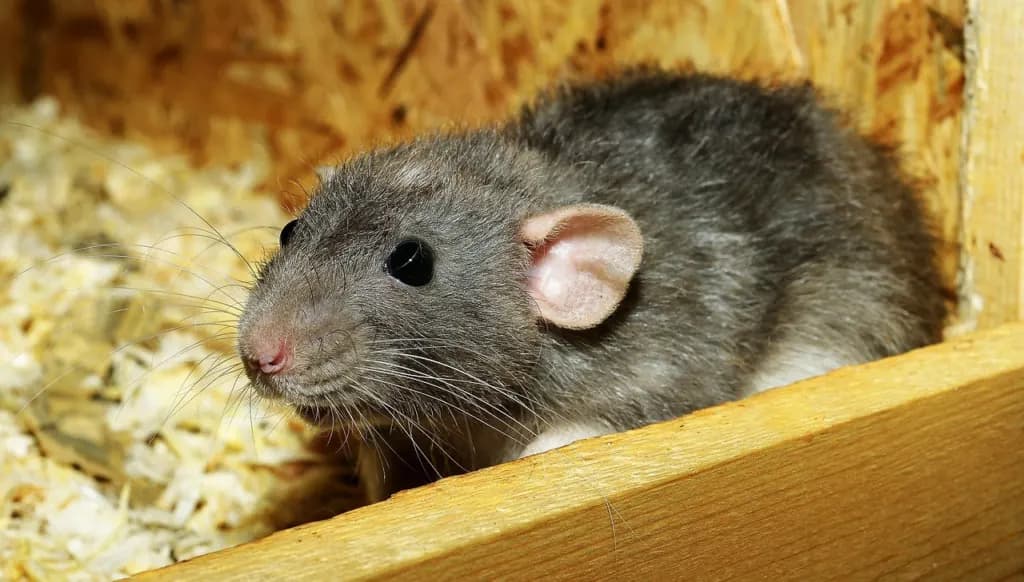
A house mouse can pass through a gap about a quarter inch wide. A rat needs roughly half an inch. Both can enlarge a smaller opening by gnawing.
That standard is smaller than most people picture, and it means the openings that matter are ones you walk past without noticing. Here is where they actually are.
Roofline And Eaves
The most common entry area on northern Nevada homes, and the least inspected because it requires a ladder.
Specific gaps:
- Where fascia board meets the roof deck
- Soffit and fascia junctions
- Gaps at the ends of ridge vents
- Damaged or missing soffit panels
- Roof-to-wall transitions on multi-level homes
- Gaps around chimney flashing
Roof rats and climbing mice reach these easily via downspouts, trellises, utility lines, and overhanging branches. Any limb within about six feet of the roof is a bridge.
Vents
Vents are designed openings, which makes them the most obvious access if unscreened.
Check attic gable vents, roof and turbine vents, soffit vents, dryer vents, bathroom and kitchen exhaust terminations, crawl space vents, and foundation vents.
Dryer vents deserve particular attention. The flap often fails or gets propped open by lint, and the duct leads directly into the structure.
Screen with hardware cloth of quarter inch mesh or finer. Standard window screen will not hold up to gnawing.
Utility Penetrations
Every line entering the building is a potential gap, and the installer's job was to run the line, not to seal it against rodents.
- Water supply and hose bib penetrations
- Gas line entries
- Electrical service and conduit
- Cable, phone, and internet lines
- HVAC refrigerant lines and condensate drains
- Exhaust and intake pipes
These are common because a hole is drilled slightly oversize to fit the line, and the remaining annular gap is either unsealed or filled with foam that rodents chew through.
Garage Doors
The single largest opening in most homes, and it opens several times a day.
Check the bottom seal for gaps, wear, and damage, and look at the corners specifically, where seals routinely fail. Check the side weather stripping, the gap under the track at each side, and the condition of the threshold. An uneven driveway or slab settling can leave a gap at the center or corners that nothing seals.
Also check the interior door from garage to house, which should have a functioning sweep.
Doors
Exterior door thresholds and sweeps wear out and are easy to overlook.
If daylight is visible under a closed door, a mouse can get through. Check the sweep along its full length, the corners of the threshold, and the seal at the strike side.
Foundation And Slab
- Cracks in poured foundations
- Expansion joints where the slab meets the wall
- Gaps at brick weep holes, which are necessary but should be screened
- Deteriorated mortar in block foundations
- Gaps where siding terminates above the foundation
- Crawl space access doors and hatches
Settling and freeze-thaw cycling in northern Nevada widen existing cracks over time, which is why a house that was sealed five years ago may not be now.
Windows
Damaged screens, gaps in frames, and unsealed gaps around window air conditioners. Basement and crawl space windows are frequent entry points because they sit at ground level and get less attention.
Chimneys
An uncapped chimney is an open shaft into the structure. Chimney caps with mesh screening solve this and also keep birds out.
Pipes And Drains
Floor drains, sewer clean-outs, and unused plumbing penetrations. Rats specifically can travel sewer lines and enter through failed or unsealed connections.
What Actually Seals A Gap
Material choice determines whether the work lasts.
Works:
- Hardware cloth, quarter inch mesh or finer, for larger openings and vents
- Copper mesh or stainless steel wool, packed into gaps
- Sheet metal or flashing for chewed edges and large voids
- Cement or mortar for masonry
- Silicone or polyurethane sealant over packed mesh
Does not work alone:
- Expanding foam by itself, which rodents chew straight through
- Steel wool that will rust, which degrades and fails
- Caulk alone on anything larger than a hairline
- Plastic, wood, or duct tape
- Standard fiberglass window screen
The reliable method is to pack the gap with copper mesh or stainless steel wool, then seal over it. The mesh provides the barrier; the sealant provides the finish and holds it in place.
The Right Time To Do It
Before the first cold nights. In northern Nevada that means September and October.
Rodent pressure rises sharply as temperatures drop, and exclusion completed after a population is already inside traps animals in the structure rather than keeping them out. Seal after removal, not before.
How To Find Them
Work the exterior perimeter methodically at ground level, then the roofline. Look for rub marks, which appear as dark greasy smudges around openings and indicate repeated use. Check for droppings below suspected entries and gnaw marks around gap edges.
From inside a dark garage or crawl space during daylight, look for visible light around the perimeter. Any light is a gap.
If you would rather have someone find and seal them properly, contact Peak Pest Control at (775) 446-6199. Exclusion is the part of rodent work that determines whether you deal with it again next winter.
Dealing with this pest at your place?
Peak serves Reno, Sparks, and northern Nevada with free inspections and a re-treatment guarantee. Get an honest quote, no pressure.
Aspen Chournos
Aspen Chournos writes about high-desert pest pressure and prevention for homes and businesses across Reno, Sparks, and northern Nevada.