Summer pest pressure in northern Nevada has a specific driver. The region is hot and dry from June through September, which means outdoor water is scarce, and the only reliable water available is what we add through irrigation.
That single fact explains most of what follows.
Ants
The most common summer complaint by a wide margin.
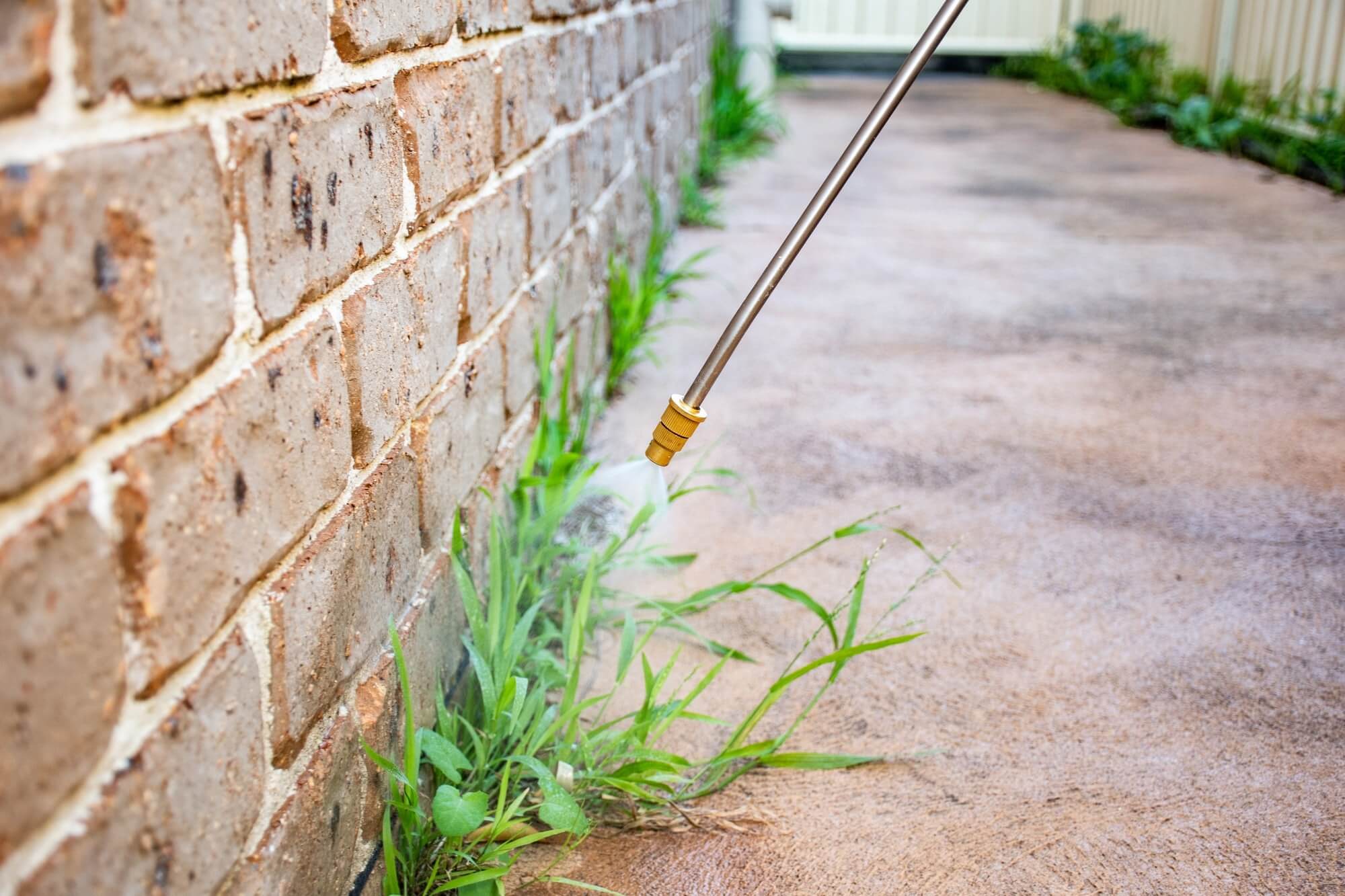
Heat drives colonies to seek water, and irrigated landscaping delivers it directly against foundations. Interior activity typically concentrates in kitchens and bathrooms for the same reason.
Prevention:
- Adjust sprinklers so nothing wets the foundation or exterior walls
- Repair leaking emitters and hose bibs promptly
- Keep a clear, plant-free band against the structure
- Trim vegetation so it does not touch walls
- Seal utility penetrations and foundation cracks
- Trace trails to entry points rather than spraying them
Wasps And Hornets
Western yellowjackets dominate locally, along with paper wasps and bald-faced hornets. Colonies founded in spring reach peak size and defensiveness in August and September.
Prevention:
- Inspect eaves, soffits, sheds, grills, and play equipment in spring while nests are tiny
- Keep bins sealed and rinse recycling
- Clean up promptly after outdoor meals
- Pick up fallen fruit
- Repair water leaks, which concentrate wasp traffic in a dry climate
- Watch for traffic to a single point before mowing or trimming
Spiders
Spider activity tracks insect activity, and insect activity peaks in summer. Outdoor lighting concentrates prey and produces spider populations directly around doors.
Prevention:
- Switch exterior bulbs to warm white 2700K or amber
- Use motion sensors rather than dusk-to-dawn lighting
- Clear webs from eaves and corners regularly
- Reduce clutter in garages and storage areas
- Seal gaps at doors, windows, and the foundation
Scorpions
Northern scorpions and desert hairy scorpions are active through the warm months. Neither is considered medically dangerous, though stings are painful. They follow insect prey and moisture.
Prevention:
- Clear rock piles, debris, and stored material from near the foundation
- Keep firewood elevated and away from the house
- Fit tight door sweeps, since scorpions pass through very small gaps
- Reduce the insect population that sustains them
- Keep shoes and gloves off garage floors
Earwigs
Strongly moisture dependent, which makes irrigated landscaping ideal habitat. Harmless despite the pincers, but they enter in numbers.
Prevention:
- Reduce mulch depth against the foundation
- Water in the morning so surfaces dry during the day
- Clear dense groundcover from the perimeter
- Seal gaps at door thresholds
Crickets
Populations build through summer and peak in late summer. Beyond the noise, they are a primary food source for scorpions and spiders, so controlling them reduces both.
Prevention:
- Reduce exterior lighting
- Clear vegetation and debris from the perimeter
- Seal entry points at ground level
Flies
House flies around waste, fruit flies around produce, drain flies from organic buildup in pipes.
Prevention:
- Keep bins sealed and clean, and move them away from doors
- Refrigerate ripe produce
- Clean drains with enzymatic cleaner rather than bleach
- Repair screens
- Clean up pet waste promptly
Mosquitoes
Less prevalent here than in humid regions but present wherever standing water persists.
Prevention:
- Eliminate standing water in saucers, buckets, tarps, and low spots
- Change pet water and birdbaths regularly
- Keep gutters clear
- Repair screens
Rodents
Not usually thought of as a summer problem, and that is a mistake. Populations build outdoors through summer, which sets up the fall migration indoors.
Prevention:
- Keep vegetation trimmed away from the structure and roof
- Store firewood elevated and away from the house
- Secure bins and pet food
- Begin exclusion work in late summer rather than waiting for cold weather
The Two Levers That Matter Here
Nearly every item above traces back to the same two conditions.
Water. In a high desert climate, irrigation is the primary moisture source available to pests, and anything wet against the foundation concentrates activity. Adjusting sprinklers and repairing leaks does more for summer pest pressure than any other single action.
The perimeter band. A clear, maintained strip against the structure breaks the corridor that carries pests from the yard to the walls, exposes activity, and lets perimeter treatment function as intended.
Get those two right and the rest of the list becomes much smaller.
If summer pests are getting into your Reno or Sparks home, contact Peak Pest Control at (775) 446-6199. We will identify what is drawing them in and address the conditions rather than just the symptoms.
Dealing with this pest at your place?
Peak serves Reno, Sparks, and northern Nevada with free inspections and a re-treatment guarantee. Get an honest quote, no pressure.
Aspen Chournos
Aspen Chournos writes about high-desert pest pressure and prevention for homes and businesses across Reno, Sparks, and northern Nevada.