
Northern Nevada's pest season is compressed. Spring arrives late, summer hits hard, and the window where prevention is easy is only a few weeks wide. Work done in March and April determines how much of a problem August is.
Here is the checklist, in order.
Early Spring: March To Mid-April
Walk the exterior perimeter. Winter freeze and thaw cycles widen cracks. Check the foundation, siding seams, and around every utility penetration. Note what needs sealing.
Check and repair door sweeps. Including the garage door, corners first, since that is where seals fail. If you can see daylight underneath a closed door, so can a mouse.
Inspect and repair window screens. Small tears become entry points once insects are active.
Clear the foundation band. Remove leaf litter, dead vegetation, and debris that accumulated over winter. Aim for a clear strip of at least 18 inches against the wall.
Move firewood. Off the ground, away from the structure, and covered. A woodpile against the house is harborage for rodents, spiders, and insects.
Check the attic and crawl space. Look for droppings, nesting material, and gnaw damage from winter rodent activity. Finding it now is far better than finding it in October.
Clean the gutters. Standing water and organic debris support insects and hold moisture against the roofline.
Mid Spring: Mid-April To May
This is the highest-leverage period of the year. Two things happen now that shape the whole season.
Look for early ant trails. Ant colonies become active as soil warms. A trail found now represents a colony that has not yet fully established. Follow it to the entry point rather than spraying it, and get it treated properly. Ants handled in April are a fraction of the problem they are in July.
Inspect for new wasp nests. Overwintering queens emerge and found nests alone. Check eaves, soffits, door frames, sheds, grills, patio furniture, and play equipment. A nest at this stage is the size of a walnut and trivially easy to deal with. The same nest in August is a professional job.
Schedule your first treatment. Perimeter work done before populations establish does more than the same treatment applied in midsummer.
Trim vegetation back from the structure. Nothing should touch exterior walls or the roof. Any branch within about six feet of the roofline is a bridge for climbing rodents.
Check irrigation as it comes online. Look for leaks, broken emitters, and heads spraying the foundation. In a dry climate, water against the house is the single strongest pest attractant you control.
Early Summer: June
Repeat the wasp inspection. Colonies that were missed in spring are now visible but still manageable.
Watch for ant activity indoors. Kitchen and bathroom trails indicate the colony has found water or food access. Trace it rather than spraying it.
Address moisture points. Check under sinks, around the water heater, at the washer connections, and anywhere condensation collects.
Manage outdoor eating areas. Keep bins sealed, clean up after meals, rinse recycling, and pick up fallen fruit. This suppresses the late-summer wasp scavenging problem before it starts.
Check exterior lighting. Switching to warm white bulbs at 2700K or lower, or amber, substantially reduces the insects gathering at your doors and the spiders that follow them.
Midsummer: July
Monitor irrigation closely. Peak watering season. Adjust anything wetting walls or foundations, and repair leaks promptly.
Watch for spider activity. Increases as prey insects peak. Clear webs from eaves and corners, which also tells you where activity is concentrated.
Check for scorpion conditions. Clear rock piles, debris, and stored material from near the foundation. Keep shoes and gloves off garage floors.
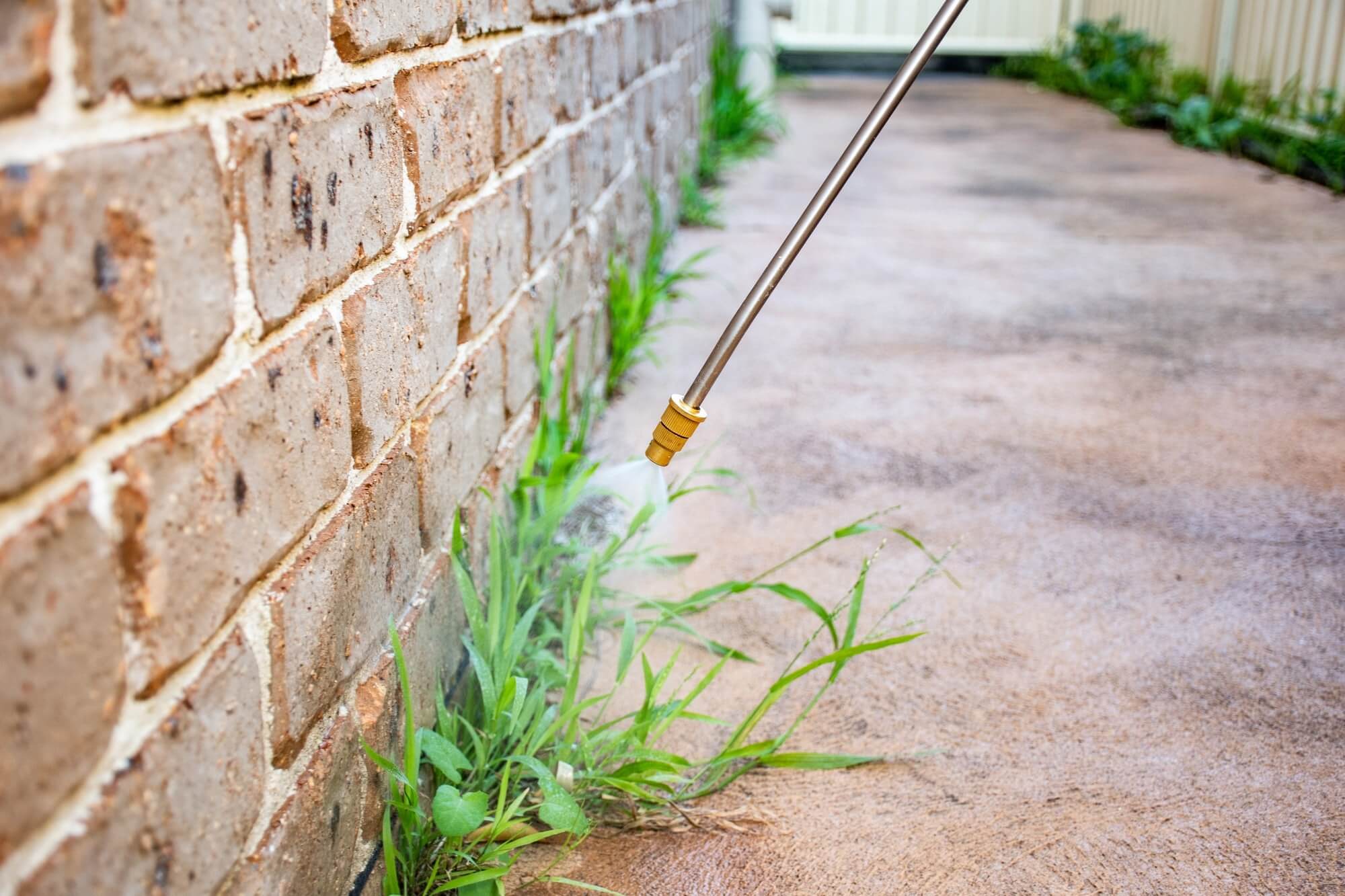
Keep the perimeter band clear. Weeds grow quickly with irrigation and rebuild the corridor that carries pests to the structure.
Second treatment. Midseason service maintains the perimeter barrier through the heaviest pressure.
Late Summer: August To September
Peak stinging insect season and the start of rodent movement.
Do not attempt wasp nest removal. Colonies are at maximum size and defensiveness. This is the professional window.
Watch before yard work. Before mowing or trimming, stand back for a minute and look for insects traveling repeatedly to one point on the ground. Ground nests cause most serious stinging incidents.
Begin rodent exclusion. As nights cool, rodents start looking for winter shelter. Sealing now, before they are inside, is the entire difference between exclusion and extraction. Focus on the roofline, vents, utility penetrations, and garage door seals.
Harvest and clear fallen fruit. A powerful late-season wasp attractant.
Inspect the attic again. Early rodent activity is much easier to address than an established winter population.
The Two Things That Matter Most
If you do nothing else on this list, do these.
Inspect for wasp nests in April and May. Ten minutes, and it prevents nearly every serious stinging problem later.
Complete rodent exclusion before the first cold nights. September and October. This is the difference between keeping rodents out and getting them out.
Everything else is worthwhile. Those two are decisive.
If you would rather have this handled on a schedule than remember it yourself, contact Peak Pest Control at (775) 446-6199 and we will build a program around the northern Nevada calendar.
Dealing with this pest at your place?
Peak serves Reno, Sparks, and northern Nevada with free inspections and a re-treatment guarantee. Get an honest quote, no pressure.
Aspen Chournos
Aspen Chournos writes about high-desert pest pressure and prevention for homes and businesses across Reno, Sparks, and northern Nevada.