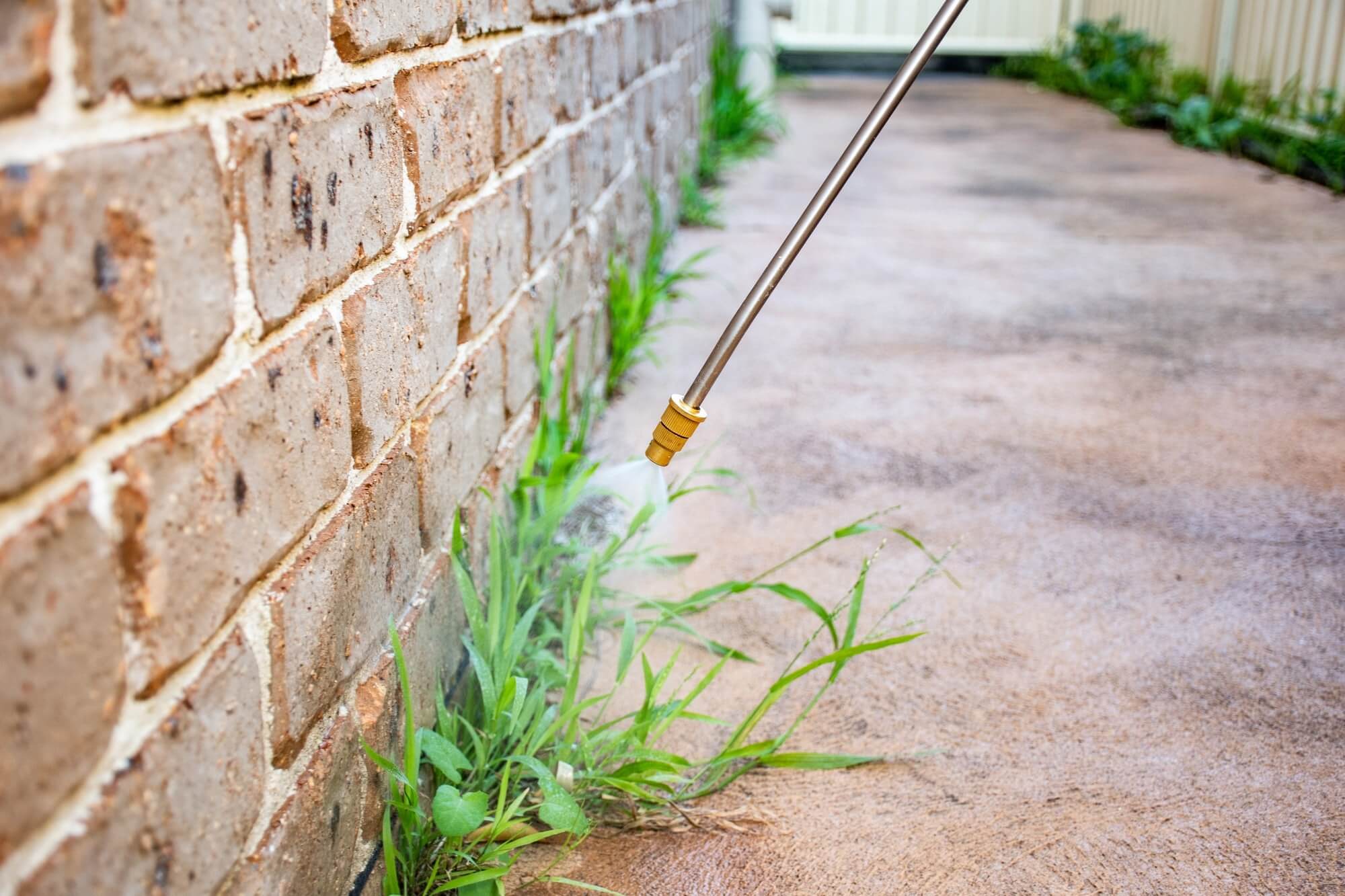

No. A meaningful share of the insects that appear indoors are harmless, and several are doing useful work. Reacting to every one with a spray is unnecessary, and in a few cases it removes something that was helping.
Here is a practical sorting.
Genuinely Beneficial
Spiders. Not insects, but worth listing first because they are the most commonly killed beneficial organism in homes. Spiders eat flies, mosquitoes, moths, and other insects. A cellar spider in a basement corner is providing free pest control. The exception is the black widow, which is the one species of real medical concern in Nevada.
Mud daubers. Solitary wasps that provision their nests with spiders, including black widows. Non-aggressive and essentially never sting. The mud tubes are cosmetic.
Parasitic wasps. Usually tiny and unnoticed, they control caterpillars, aphids, and beetle larvae. Most cannot sting humans at all.
Lacewings. Delicate green insects with lace-like wings that come to lights and end up indoors. Larvae are voracious aphid predators. Harmless.
Ladybugs. Aphid predators. They can become a nuisance when they overwinter indoors in numbers, but they do no damage and do not reproduce inside.
Ground beetles. Predatory, harmless, and simply wandered in. They cannot reproduce indoors.
Harmless Nuisances
These do no damage and are best handled by removing them and sealing the gap they came through.
Crane flies. Large, long-legged, alarming to look at, and completely harmless. They do not bite and are not "giant mosquitoes."
House centipedes. Fast, many-legged, and genuinely unsettling. They are predators that eat cockroaches, silverfish, and spiders. Harmless to people.
Box elder bugs. Seasonal congregators that overwinter in wall voids. They do not bite, do not damage the structure, and do not reproduce indoors. Purely a nuisance.
Earwigs. The pincers look threatening and are essentially harmless. They indicate moisture near the structure, which is worth addressing, but the insects themselves cause no damage.
Sowbugs and pillbugs. Not insects. Moisture indicators, harmless.
Springtails. Tiny and often appearing in large numbers near damp areas. Harmless, but a reliable sign of a moisture problem.
Crickets. Noisy rather than damaging. Worth noting that they are a primary food source for scorpions and spiders.
Actual Pests
These warrant action.
Cockroaches. Contaminate surfaces and food, and are a well-documented asthma trigger. Any sighting merits attention.
Rodent-associated fleas, mites, and ticks. Arrive with rodents and remain after they are gone.
Pantry beetles and Indianmeal moths. Reproduce in stored food and spread between items.
Carpet beetles. Larvae damage wool, silk, leather, and other natural fibers. Frequently blamed on moths.
Clothes moths. Larvae damage natural-fiber textiles.
Carpenter ants. Excavate damp or damaged wood. Their presence usually indicates a moisture problem in the structure.
Termites and wood-destroying insects. Structural damage.
Yellowjackets and hornets nesting on or in the structure. Genuine safety risk.
Silverfish. Damage paper, books, wallpaper, and stored goods.
Bed bugs. Require professional treatment; not a do-it-yourself situation.
The Middle Ground
Ants. Depends entirely on species and scale. A few scouts are not an infestation. An established trail is. Carpenter ants are a structural concern; most others are a nuisance.
Flies. Not damaging in themselves, but they indicate a source. House flies mean waste or organic material. Fruit flies mean ripening produce. Drain flies mean buildup in a pipe. Fungus gnats mean overwatered plants. Find the source rather than treating the flies.
Wasps. A paper wasp nest well away from foot traffic is providing caterpillar control. The same nest above a doorway is a hazard. Location determines the answer.
How To Decide
Three questions handle most cases.
Is it damaging something? Structure, fabric, stored food, or the building itself.
Is it a health risk? Disease, allergens, or stings.
Is it reproducing indoors, or did it wander in? This is the key distinction. Occasional invaders cannot sustain a population inside and will not multiply. Finding several over a season means a gap to seal, not an infestation to treat.
If the answer to all three is no, the reasonable response is to remove the individual and address the entry point.
Why Restraint Is Worth It
Blanket spraying kills indiscriminately, which means the spiders and predatory insects that were suppressing other pests go with everything else. It also puts product into a home for no benefit, and it does nothing about the gap that let the insect in, so the next one arrives on schedule.
Targeted response works better: identify it, decide whether it matters, and seal the way in.
If you are finding insects and are not sure which category you are dealing with, contact Peak Pest Control at (775) 446-6199. We would rather identify something as harmless than treat it unnecessarily.
Dealing with this pest at your place?
Peak serves Reno, Sparks, and northern Nevada with free inspections and a re-treatment guarantee. Get an honest quote, no pressure.
Aspen Chournos
Aspen Chournos writes about high-desert pest pressure and prevention for homes and businesses across Reno, Sparks, and northern Nevada.