Stinging insect pressure in northern Nevada follows a tighter, more compressed calendar than in milder regions. The season starts later, peaks harder, and ends more abruptly. Knowing that pattern is most of what you need to manage it.
What Is Actually Here
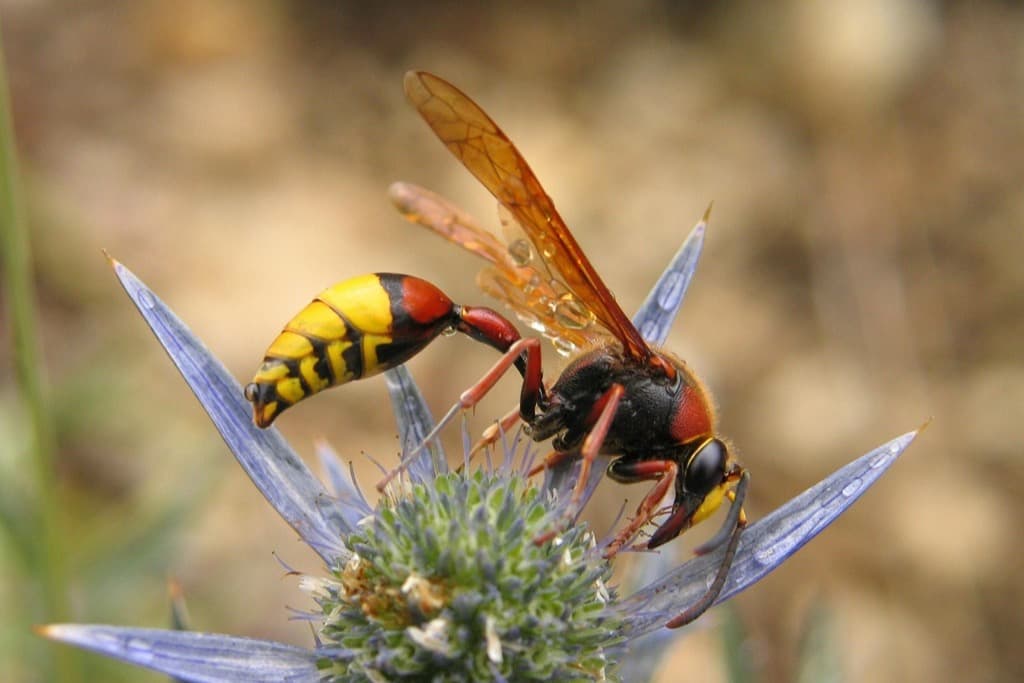
Around Reno and Sparks, the species that matter to homeowners are:
Western yellowjacket. The dominant problem species. Nests underground and in voids, colonies reach several thousand, highly defensive, scavenges aggressively in late summer.
Paper wasps. Several species. Open umbrella nests under eaves and in sheltered structures. Small colonies, comparatively tolerant.
Bald-faced hornets. The large gray aerial nests. Fewer than yellowjackets but considerably more defensive per encounter.
Mud daubers. Solitary, harmless, beneficial. Frequently mistaken for something dangerous.
True European hornets are not established here, which means "hornet" locally almost always means bald-faced hornet.
How The Climate Shapes The Season
Northern Nevada sits at elevation with cold winters, a late spring, and a hot dry summer. That produces a specific rhythm.
Late emergence. Overwintering queens do not emerge until conditions stabilize, typically April into May — later than in warmer parts of the state. Nest founding is correspondingly late.
Compressed growth. With a shorter window, colony growth is rapid once it starts. Nests go from small to substantial quickly through June and July.
Water-driven concentration. In a dry climate, wasps concentrate around available water — irrigation, pools, pet bowls, leaking hose bibs, condensation lines. Water sources become predictable activity hubs in a way they are not in humid regions.
Sharp late-season aggression. As natural food sources fail in the dry late summer, colonies at peak population turn to scavenging. August and September produce the highest complaint volume and the most stinging incidents.
Abrupt end. The first hard freezes end colonies decisively.
The Timeline To Work With
April–May. Queens emerge and found nests. Nests are tiny and undefended. This is the highest-leverage inspection window of the year and almost nobody uses it.
June–July. Workers active, colonies expanding, nests becoming visible. Still the right time to address anything found.
August–September. Peak size, peak defensiveness, peak scavenging. Professional handling only. Most stings happen here.
October–November. Decline. Behavior can be erratic. New queens disperse to overwintering sites.
December–March. Colonies dead, nests empty. Good time to remove old nests and seal the gaps that were used.
Where They Nest Around Local Homes
- Under eaves, soffits, and roof overhangs
- Wall voids entered through siding gaps and utility penetrations
- Attics, sheds, and detached garages
- Abandoned rodent burrows in landscaping and open ground
- Irrigation and utility boxes
- Dense shrubs and decorative rock
- Grills, patio furniture, and stored equipment
- Behind shutters and inside meter boxes
Ground nesting in old rodent burrows deserves particular attention here. It links two problems — properties with rodent activity generate the burrows that yellowjackets later occupy.
Practical Prevention
Inspect in spring. Walk the eaves, soffits, sheds, and equipment in April and May. A nest found at golf-ball size is a two-minute problem.
Manage water. Repair leaking hose bibs and irrigation. Adjust sprinklers away from structures. Empty standing water. In a dry climate this matters more than it does elsewhere.
Seal in winter. Close siding gaps, screen vents, and seal utility penetrations while colonies are dead and the work is safe.
Control ground cover. Weedy and overgrown areas conceal ground nests and make encounters more likely. Keeping the property open makes nests visible before they become dangerous.
Handle waste properly. Sealed bins, cleaned recycling, and prompt cleanup after outdoor meals cut late-season scavenging substantially.
Watch traffic patterns. Consistent flight to a single point means a nest, whether or not you can see it.
Safety Around Yard Work
Most serious incidents around Reno homes follow the same script: someone mows, trims, or runs a blower near a concealed ground nest, and the vibration triggers a mass response.
Before working an area, particularly along edges, in overgrowth, or near landscape rock, stand back and watch for a minute. Insects moving repeatedly to one point on the ground is the signal to stop.
When To Call
- Any ground nest or suspected ground nest
- Any nest inside a wall, attic, or void
- Any bald-faced hornet nest
- Anything requiring a ladder
- Anything found after July
- Any nest near a door, walkway, or play area
- Any situation involving a household sting allergy
Peak Pest Control handles stinging insects across Reno, Sparks, and the surrounding communities. If there is a nest on your property — or activity suggesting one — contact us at (775) 446-6199.
Dealing with this pest at your place?
Peak serves Reno, Sparks, and northern Nevada with free inspections and a re-treatment guarantee. Get an honest quote, no pressure.
Aspen Chournos
Aspen Chournos writes about high-desert pest pressure and prevention for homes and businesses across Reno, Sparks, and northern Nevada.